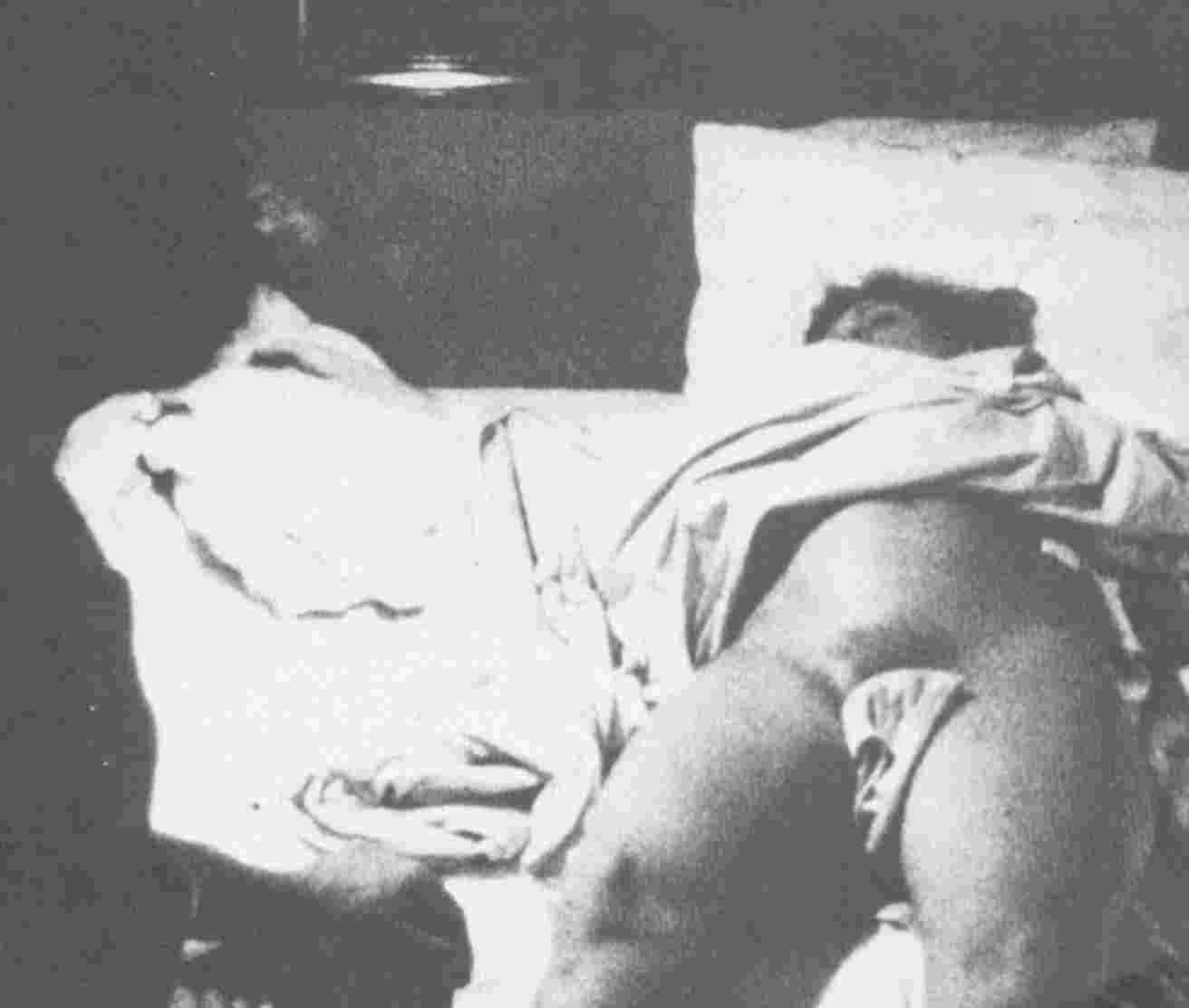
FILM
- AS A -
SUBVERSIVE ART
KIRSA
NICHOLINA
(Gunvor
Nelson, USA, 1970)
In this
classic statement of counterculture
sensibility,
a young mother is about to give
birth
at home. Her body is seen at all times;
we
never forget that she is a women and
that
the new life came from sexual desire.
THE
FIRST MYSTERY:
BIRTH
The
cinema has treated birth as a guilty secret of mankind, a
mystery to be kept from the impressionable
young, a clandestine
medical
event reserved exclusively for physicians. Had it been
related to a woman's navel, instead of her
primary sex organ,
the taboo
would unquestionably have been weaker. For however
it may be camouflaged by white sheets,
birth still confronts the
viewer
with "the organ" and reminds him of "the act".
Birth thus
remainsinextricably
tied to sex (and blood) taboos which have
their
roots in myths and religions that cannot freely accept bodies,
their organs and functioning.
(Significantly, it was a film from
a
non- theological society -- Vertov's The Man With A Movie
Camera -- that provided an early
example of documentary birth.
It is
difficult to believe that until about two decades ago,
films of this process were not permitted
to be shown publicly.
Hollywood
provided euphemistic or fraudulent paraphrases
of
birth, occuring either offscreen (with shots of anxious
relatives waiting outside) or confined to
the woman's face,
sometimes
showing genteel and manageable discomfort; blood
or
screams were missing, except in the case of "loose women"
who had to be made to suffer. The
act itself was never seen.
The
medical profession provided the second variety of
birth
films -- records produced for training purposes,
emphasizing technique and physiology, and
omitting
the human dimension.
A white shapeless mass, entirely
swathed
in sheets, filled the screen. Neither head,
legs,
nor body were visible, only a disembodied vaginal
opening
floating in space, mechanically tended, wiped,
tugged
at by robot-like nurses and doctors with forceps
and
surrealist rubber gloves. Public viewings of these
films were forbidden by both censors and
doctors and
their circulation
limited to professional audiences.
Less
technical birth films began to be made in the fifties
by
both documentary and experimental filmmakers, providing
more subjective views of the birth
experience. In America,
it
was the film society Cinema 16 which, together with its
showings of underground, scientific,
erotic, and political
cinema,
also pioneered the first public exhibition of birth
films
in the early fifties, introducing both medical and
underground varieties. In the
sixties, American television
hesitantly
began to show birth as part of its educational
programming, first in side-views only,
later with a few
head-on
shots. Even today, however, both television and
commercial movie theatres continue to be
extremely
uneasy about the
topic and almost never portray it.
It
remained for the underground to produce the classic
films
on the subject, displaying a humanist attitude
entirely
at odds with the clinical approach.
FILMS
___________________________________________________________________________________________
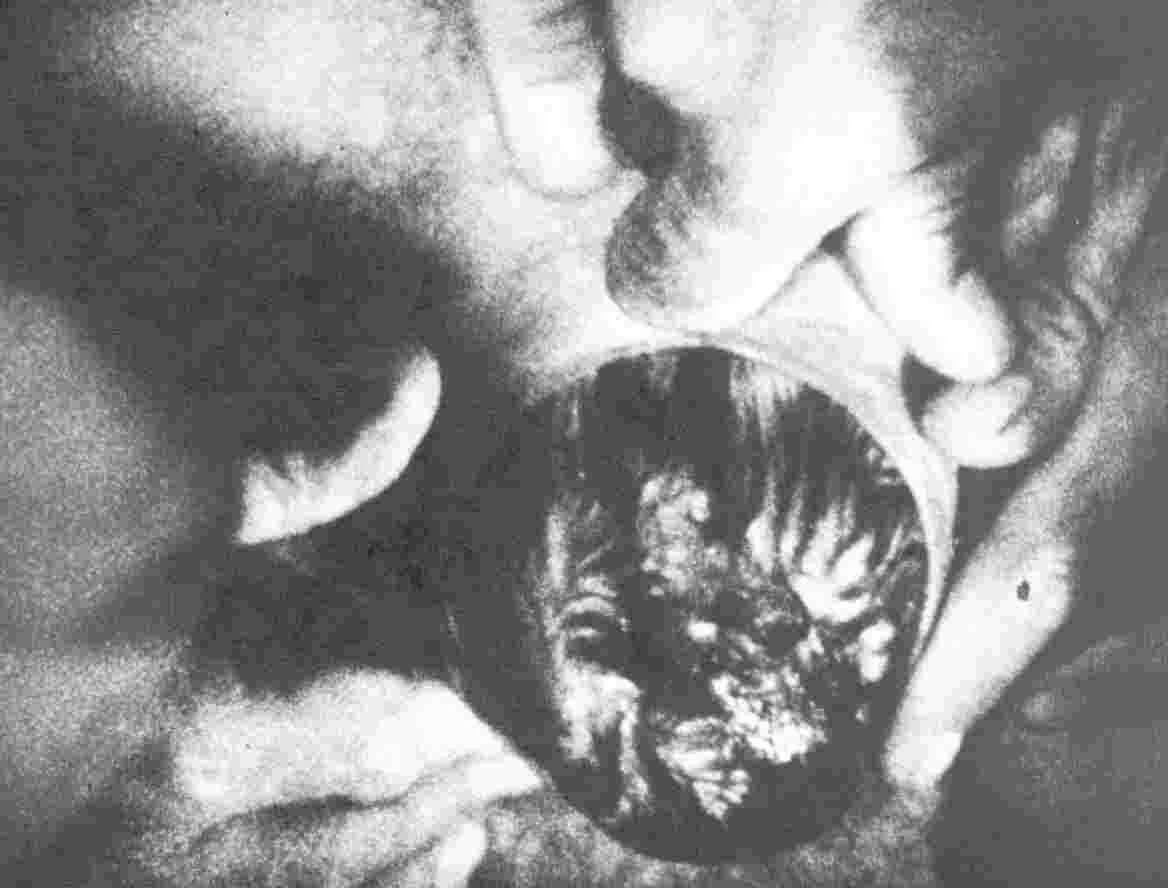
KIRSA
NICHOLINA
(Gunvor
Nelson, USA, 1970)
This is how
life starts. The baby's head emerges
as
the father's and a friend's supporting hands
assist.
Until recently, this act was considered
so
taboo that birth films could not be shown
publicly
but were restricted to medical personnel.
___________________________________________________________________________________________
ALL
MY BABIES
(George
Stoney, USA, 1953)
One of the
first and most important films
to
treat childbirth as a human event and
to
show it fully. This documentary of a
compassionate
Black midwife at work
in the
deep South remained restricted to
medical
personnel for many years. One
cannot
recall a more moving, humanist
portrayal
of the wonder and pain of the event.
___________________________________________________________________________________________
THE
BEGINNING OF LIFE
(SA
BORGAR LIVET)
(Lars
Wallen, Sweden, 1968)
Lennart
Nilsson's spectacularly beautiful and
mysterious
color shots of the embryo in varying
stages
of growth constitutes a reality-poem;
silent,
ethereal beings, enshrouded in
mysterious,
cellophane-like coverings,
sleeping
until the moment of birth.
___________________________________________________________________________________________
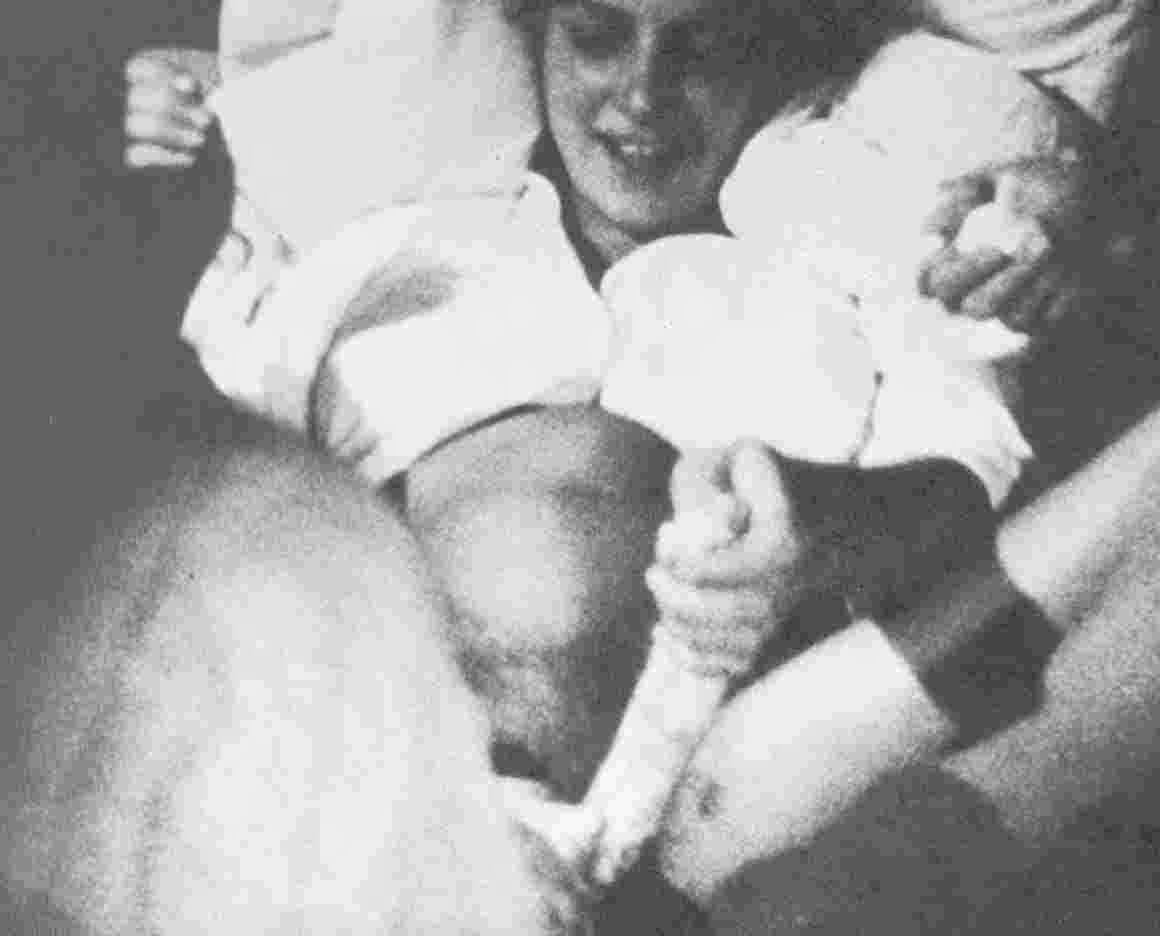
KIRSA
NICHOLINA
(Gunvor
Nelson, USA, 1970)
This shot
belies all rules (and taboos) of conventional
birth.
The mother takes hold of the baby's arm while
it
is still halfway in her body. Completely conscious,
she
smiles and shows her love. In a hospital, such
immediate, unguarded contact is
considered unhy-
gienic.
Father and friend are close-by. Birth occurs
as
a human experience, at home, amongst friends.
______________________________________________
That
Gunvor Nelson is one of the most gifted
of
the new film humanists is revealed in this
deceptively
simple study of a child being born
to
a "counterculture" couple in their home.
An
almost classic manifesto of the new sensibility,
it
constitutes a proud afficmation of man amidst
technology,
genocide, and ecological destruction.
Birth
is presented not as an antiseptic, "medical"
experience, but as the living-through of
a primitive
mystery, a
spiritual celebration, a rite of passage.
True
to the new sensibility, it does not aggresively
proselytize but conveys its ideology by
force of
example. With
husband and friends quietly present,
the
pretty young woman, in bathrobe and red socks,
is
practically nude throughout; her whole body is
seen
at all times and, for once, the continuity between
love-partner and birth-giver is
maintained; she
remains
"erotic"; we never once forget that she is a
woman and that the new life came
from sexual desire.
The
desperate romanticism of the new consciousness --
a
defiance of dehumanization -- is manifest in the
foolhardy willingness of these people to
undergo
the risk of a home
delivery (though an apparently
medically-trained
person is present, and in their
cool,
"accepting" attitude of manking as part of
nature -- the pantheism of the modern
atheists.
Thus she is not
drugged, but fully conscious and,
following
the birth, experiences joy instead of
exhaustion;
there is so litle pain as to throw
into
doubt the necessity of centuries of female
suffering.
Instead of "specialists" coping with
a
"problem", we witness human beings under-
going
a basic human experience within the
continuity
provided by conjugal home and bed.
Quiet
guitar music (composed by the father)
accompanies
the poetic, tactile images,
unobtrusively
recorded by the detached
camera;
no avant-garde pyrotechnics
interfere
with the intentional simplicity
of
the statement. As the baby, still half
in
the mother's body, begins to emerge,
the
mother smilingly takes its hand in
her
own and holds it. This tender gesture
would
not be possibly in a hospital delivery
because
of drugs and antiseptic precautions.
Perhaps,
indeed, life should be lived as an
open-ended
adventure and "security" cast
to
the winds if we want to become human.
______________________________________________
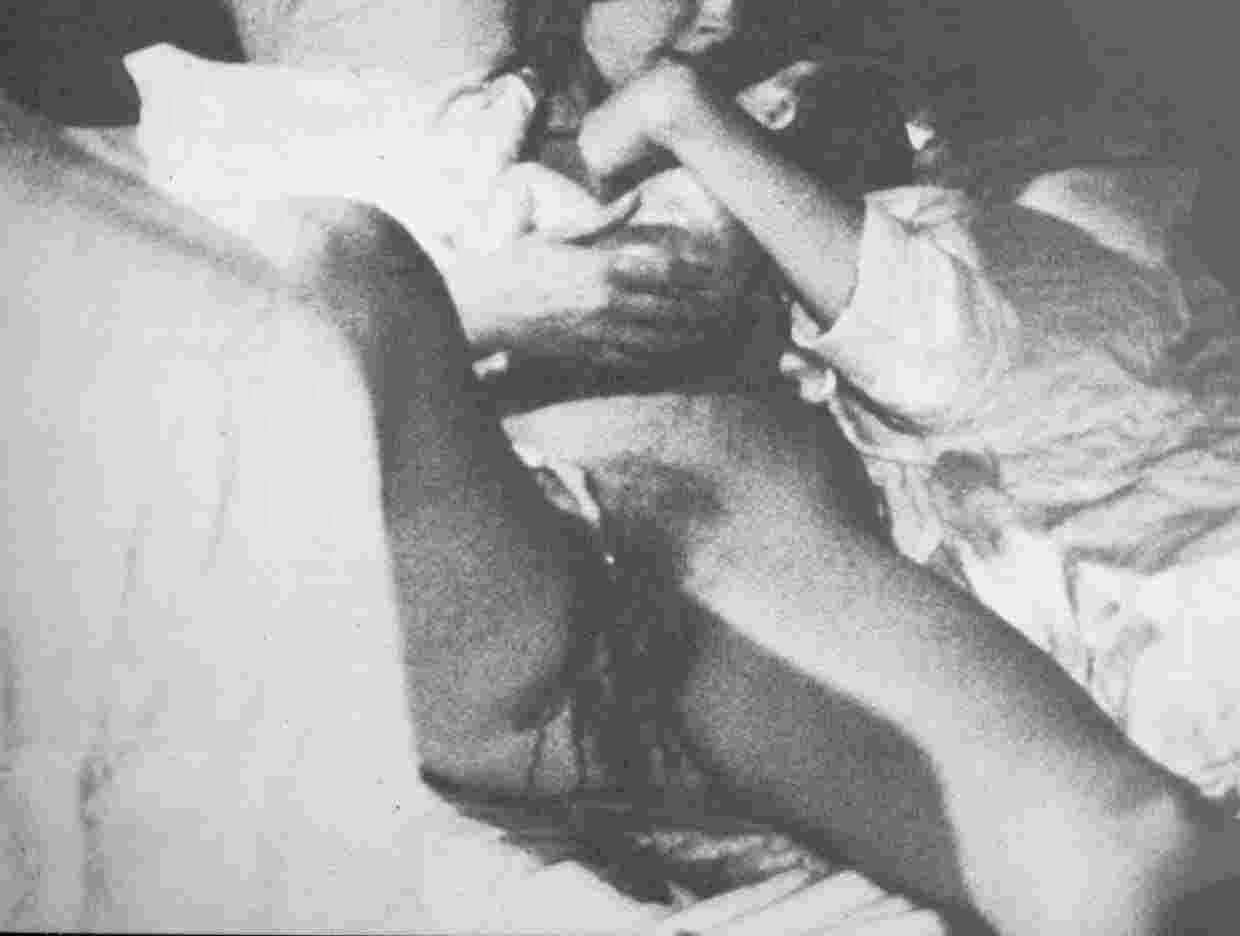
KIRSA
NICHOLINA
(Gunvor
Nelson, USA, 1970)
An
appropriately more somber long-shot
rounds
out the fullness of the experience.
The
mother, with great love, also feels the
weight
of the moment. The father watches,
without
interfering. But the focus of the
composition
is on the mother's pubic area, re-
establishing
not only her (erotic) femininity
but
also the presence of blood and excretions
carelessly
covering the sheet. A family has
just
been born and this is a serious moment.
__________________________________________________________________________________________
THE
PRIVATE LIFE OF A CAT
(Alexander
Hammid, USA, 1946)
This
sensitive, poetic documentary by a
distinguished
film director -- humorous
and
tender in turn -- explores love, birth,
and
growth in a cat family, offering inevitable
analogies
with humans. Banned in 1948 by
the
New York State censors as "indecent"
because
of its moving birth sequences, it is
also
the perfect sex education film for chil-
dren
(as was also true of George Hoellering's
classic
Hortobagy, with its unique sequence
of
the birth of a foal. Visual storyline and lack
of
human intrusion capture beauty, dignity,
and
simplicity in a surprising perspective.
___________________________________________________________________________________________
WINDOW
WATER BABY MOVING
(Stan
Brakhage, USA, 1959)
A leading
American avant-gardist,
using
his mobile camera as an extension
of
body and mind, records the birth at
home
of his first child. Deeply felt, entirely
poetic,
the film explores the event as an
experience;
the camera soars and moves
with
the emotion of the event, capturing its
shocking
physicality and primitive wonder.
___________________________________________________________________________________________
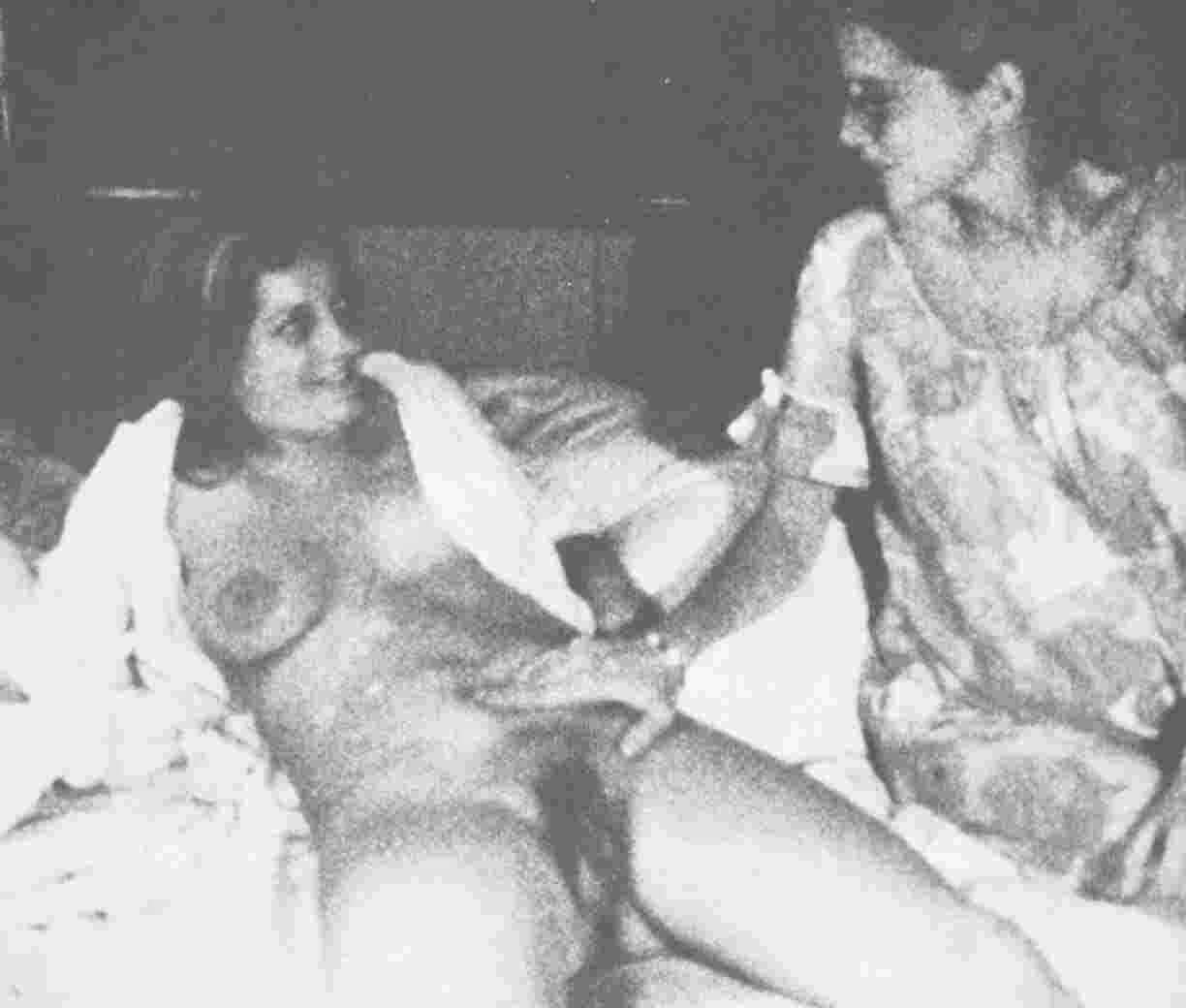
KIRSA
NICHOLINA
(Gunvor
Nelson, USA, 1970)
It is
over. A friend who has been present throughout
extends the feeling of togetherness by
tender physical
contact.
There is no awkwardness in their interaction,
despite
the mother's careless nudity, nor is anyone con-
cerned
with the camera. This is a far cry from bourgeois
post-natal hospital visits with flowers,
from which, in addi-
tion, the
baby (quarantined elsewhere) is absent. The father
plays a song he composed on the
soundtrack and a human
(rather
than a medical) experience comes to an end.