FILM
- AS A -
SUBVERSIVE ART
THE
FILMMAKER AS SUBVERSIVE: ONE
THE
POLITICAL
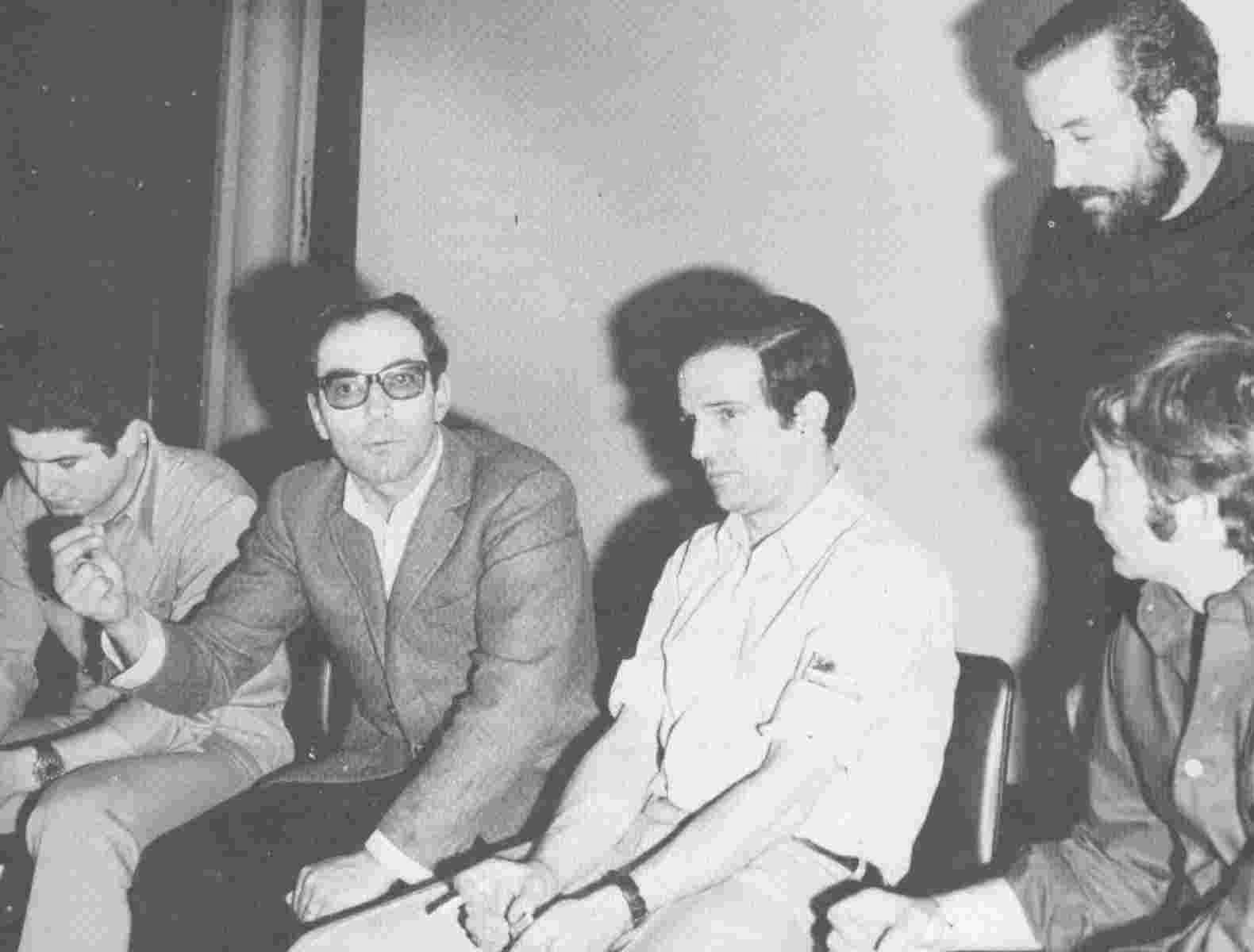
Claude
Lelouch, Jean-Luc Godard, Francois Truffaut,
Louis
Malle (standing), Roman Polanski, demanding the
closure
of the Cannes Film Festival during the 1968 events.
THE ETERNAL SUBVERSION
In the
last analysis, every work of art, to the extent that it
is original and breaks with the past
instead of repeating it,
is
subversive. By using new form and content, it opposes the
old, if only by implication, serves as an
eternally dynamic force
for
change, and is in a permanent state of "becoming". It
is
therefore the triumph, the
irony and the inevitable fate of
the
subversive creator, as he succeeds, immediately to super-
sede himself; for at the moment of
victory, he is already dated.
Art can
never take the place of social action, and its effectiveness
may indeed be seriously impaired by
restrictions imposed by
the
power structure, but its task remains forever the same:
to change consciousness. When this
occurs, it is so momentous
an
achievement, even with a single human being, that it
provides both justification and
explanation of subversive art.
The
subversive artist performs as a social being. For if it is true
that developments in philosophy, politics,
physics, and cosmology
have
affected the evolution of modern art, and if the subversion
of the contemporary filmmaker is thus fed
by art itself, it is also
directly
related to society as a whole. Here the artist finds himself
at odds with its unplanned and cancerous
growth in the service
of the
profit motive and its heedless disregard of human values.
Wherever he turns, he sees exploitation
and magnificent wealth,
heart-rending
poverty and colossal waste, the destruction of
races
and entire countries in the name of democracy or a new
order, the denial of personal liberties on
a global scale, the
corruption
of power and privilege, and the growing international
trend toward totalitarianism. He
sees control of all communication
by
the few and the rise of new media (television and cable TV)
that hold the technological potential of
more repression. He sees
the
blighted cities, the polluted rivers and oceans, the unbridled
exploitation of natural resources, the
succession of economic
crises,
inflation, depressions, and ever more destructive wars,
and the rise -- as permanent and monstrous
institutions --
of war
economies and their intolerable burden upon society
as
a whole. He witnesses the phenomenon of manipulated
democracy and an electorate whose voting
power is increasingly
denuded
of meaning, since real control rests elsewhere.
All this
explains why so many of the most serious international
filmmakers find themselves in varying
degrees of revolt or
opposition
to their respective establishments -- and also find
an
affinity to the emerging third world cinema and the new pro-
democratic forces in the East. It is
here that the Czechoslavak
film
renaissance of the Dubcek era assumes its profound inter-
national significance and acquires the
historical weight that the
Russians,
despite their destruction of this movement, have not
been
able to eliminate. There have not yet been any oppositional
films from Russia or China; perhaps
they exist, though control over
the
means of film production makes this unlikely. One can only surmise
that at some date Sinyavskys and
Solzhenitsyns of cinema will arise
in
these countries, to join filmmakers all over the world, whose task,
by definition, constitution, and by virtue
of the repressive societies
within
which they operate, must forever remain subversive.
Forever?
Forever. For it is clear that even a post-revolutionary
society,
based on the ideas the
subversives hold dear, will carry within itself
new
potentials of corruption, new bureaucracies, and new institutions
which, at first progressive, will
degenerate into ossified structures to be
overcome
in turn. It was Marx who, when asked in an interview to
characterize the meaning of life in a
single word, unhesitatingly replied:
"Struggle".
Was it a slip of the tongue that prevented him from limiting this
definition to life "under
capitalism", thus giving it the historical dimension
he gave to every other phenomenon?
Or was it not rather his realization,
so
often expressed in his philosophical writings, that the essence
of life, under all circumstances and
in all societies, was eternal
change,
the constant transformation of all forms and systems?
It is in
this sense that the subject of this book will always
remain on the agenda, and that these pages
are but a rough draft;
for the
subject of this book is human freedom, and its guardians,
at all time and under all conditions, are
the subversives.
THE
FILMMAKER AS SUBVERSIVE: TWO
THE
ANTI-CLERICAL
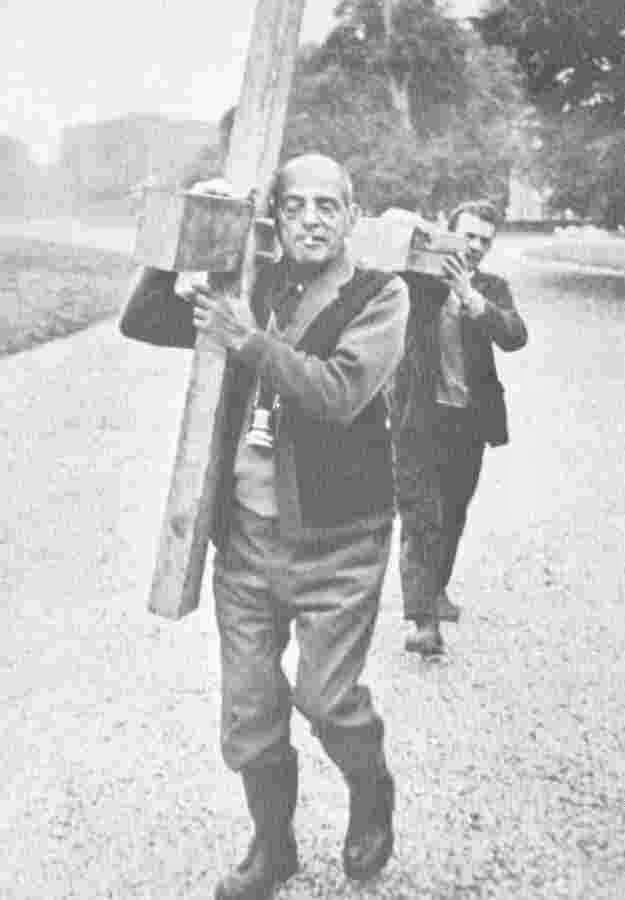
Bunuel
during the shooting of The Milky Way --
and
the cross he has to bear. He fights it,
but
he cannot be separated from it.
THE
FILMMAKER AS SUBVERSIVE: THREE
THE
SEX-REFORMING COSMOLOGIST
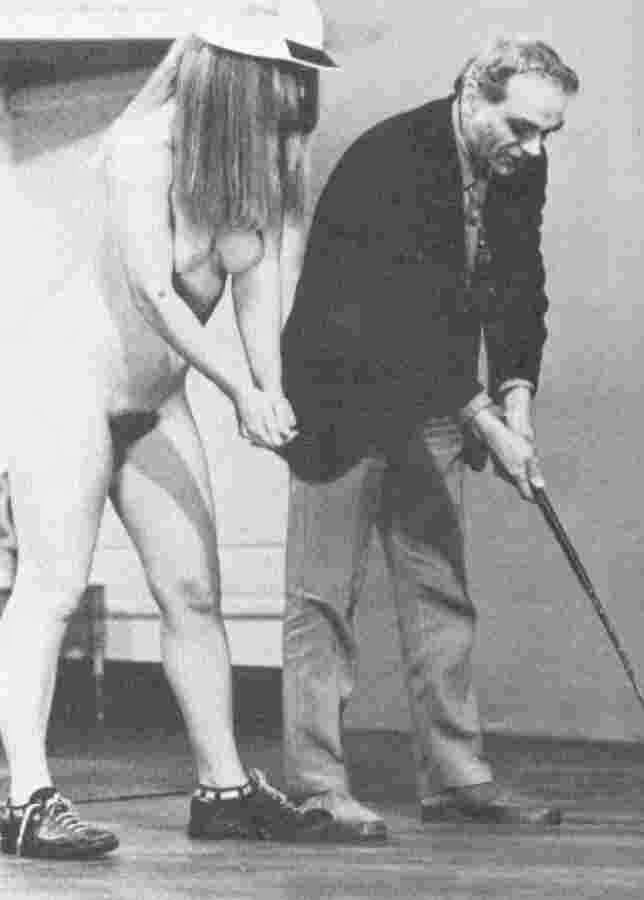
James
Broughton directing The Golden Positions,
forever
non-conventional, forever willing to learn.
THE
FILMMAKER AS SUBVERSIVE: FOUR
THE
COMMUNIST
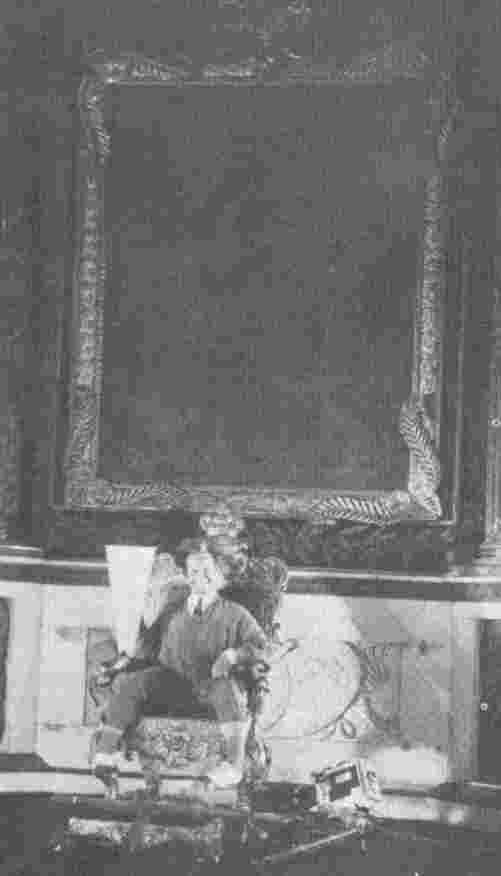
Eisenstein on
location for October,
lounging
on the Tsar's throne. There is a
touch
of (however playful) monomania.
THE
FILMMAKER AS SUBVERSIVE: FIVE
THE
ANARCHIST
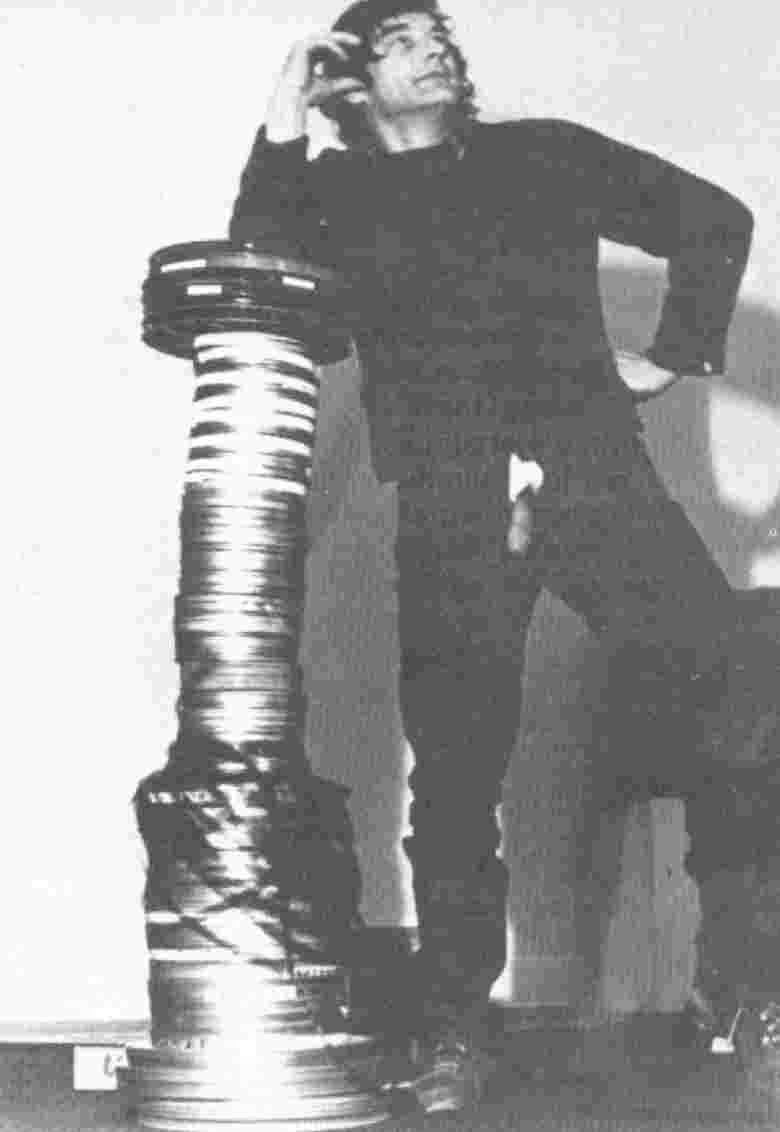
Otto Muehl
and His Films. Portrait of the
artist
as liberated (yet sex-bound) man,
eyes
immodestly raise to the heavens.
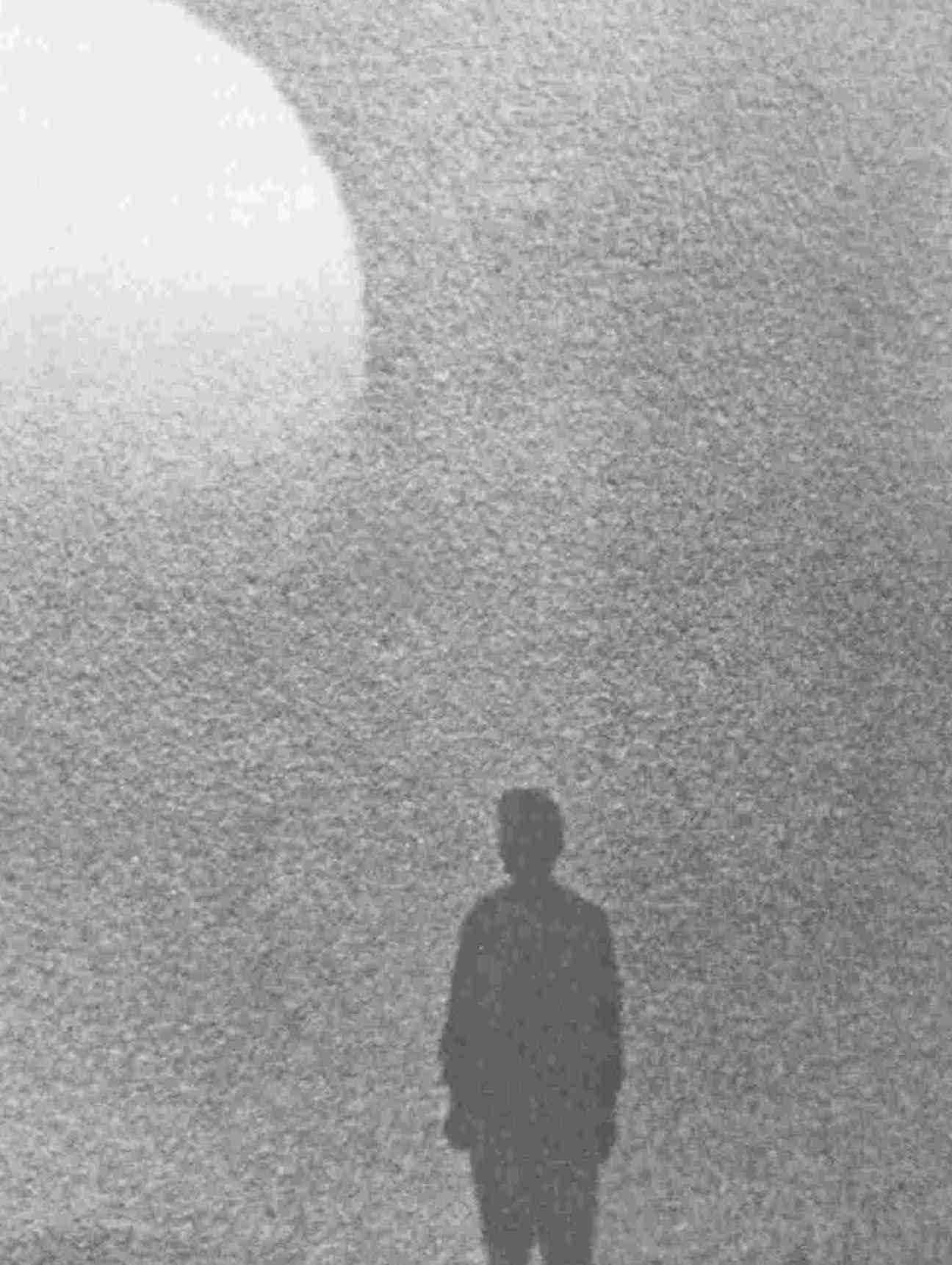
RELATIVITY
(Ed Emshwiller, USA, 1966
)
Man neither dominates this
composition nor is he
necessarily
dwarfed by it; he faces the sun squarely,
questioningly,
and with determination. He, the earth
he
stands on, the air he breathes, the vegetation sur-
rounding him, are one.
Significantly, Emshwiller's
visual
metaphors of man's place in the universe
draw
on both science and metaphysics.
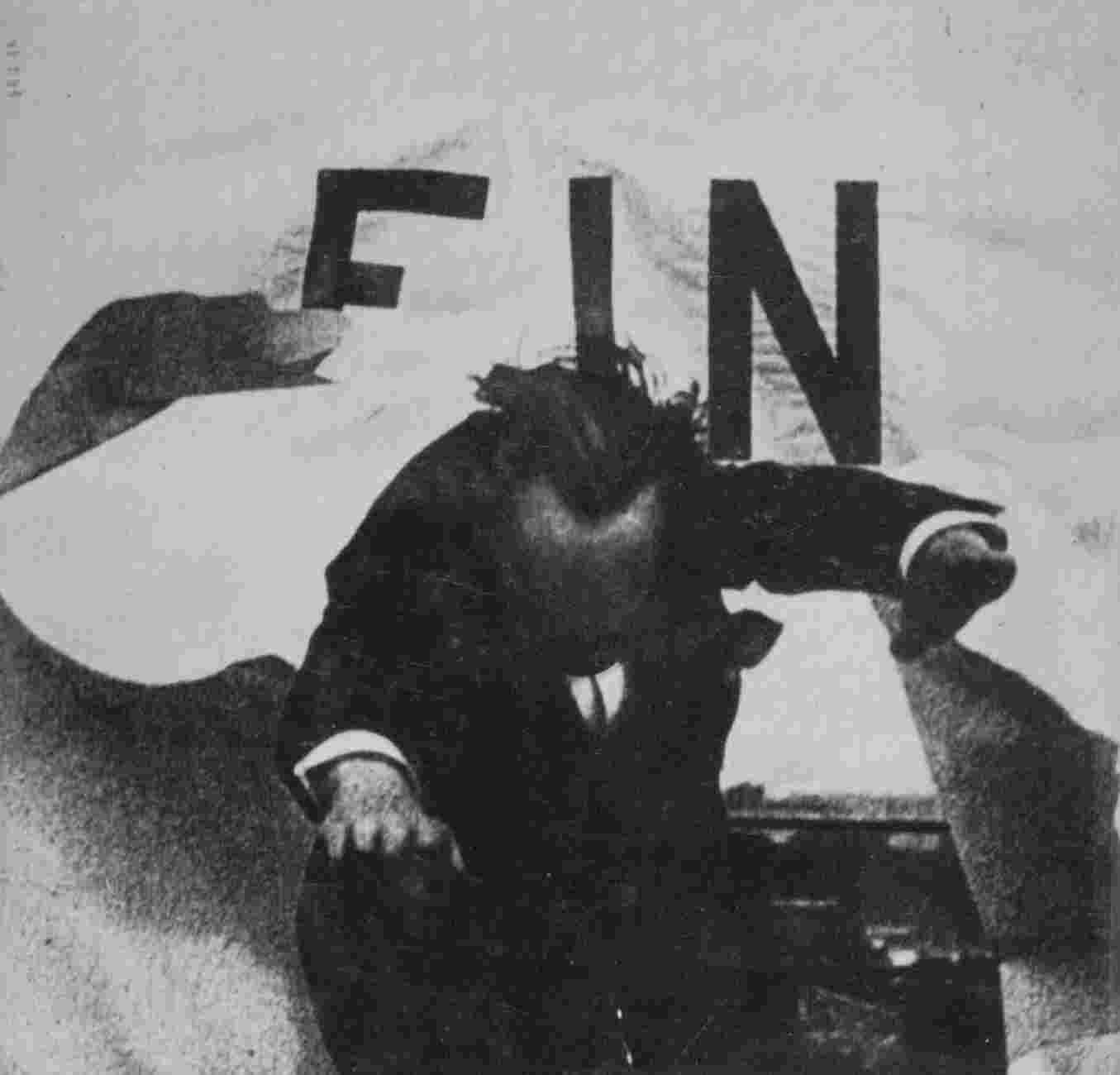
ENTR'ACTE
(Rene Clair, France, 1924)
"The End" -- but not the end.
The
daring destruction of the
otherwise
inviolable end-title
subversively dis
rupts the
illusion of cinema and visually
reaffirms
the openness of experience.