FILM
- AS A -
SUBVERSIVE ART
THE
RULES OF THE GAME
(Jean
Renoir, France, 1938) (F)
A
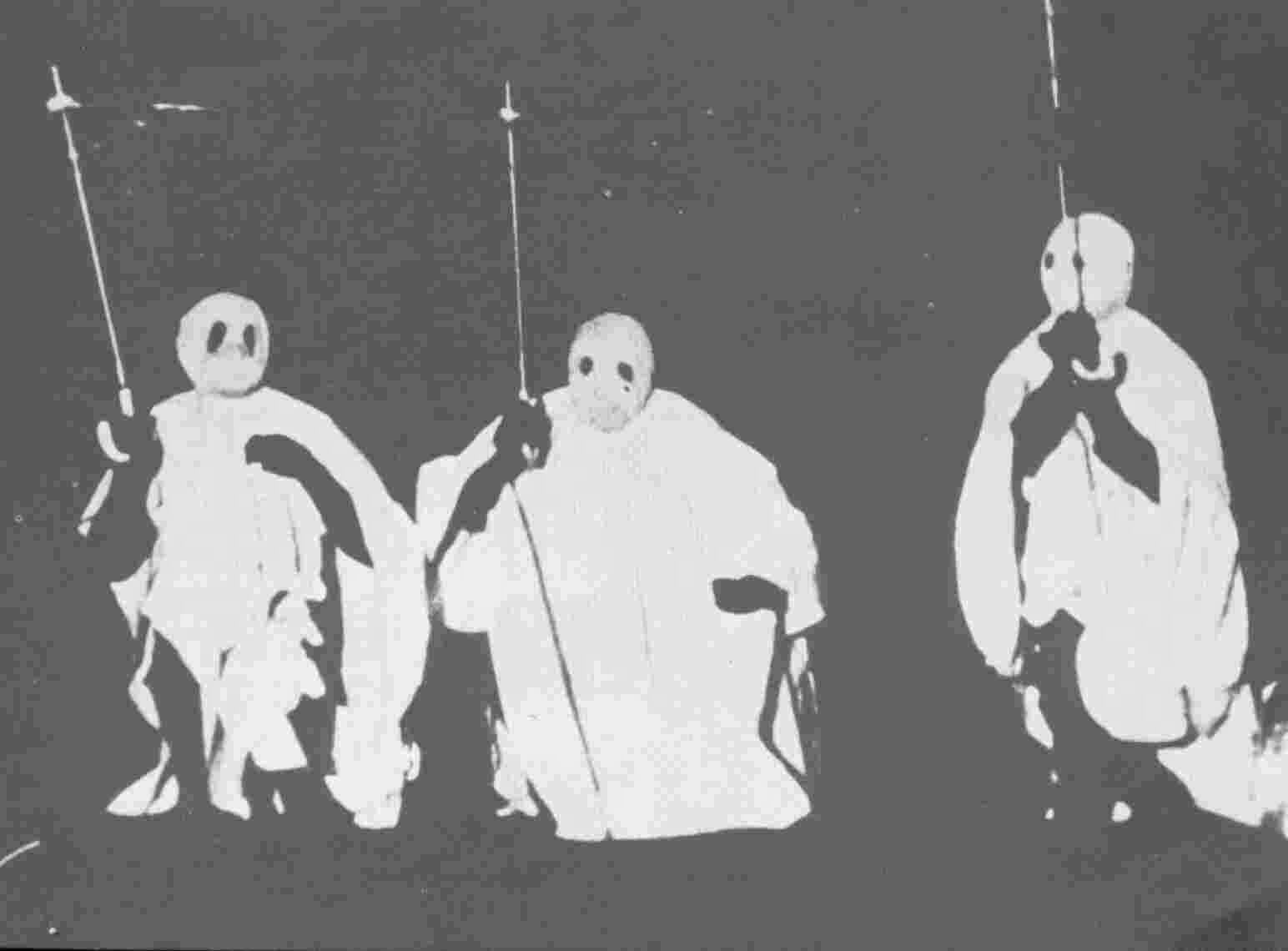
skeleton dance -- performed during a festive
weekend
at a French chateau -- becomes the
macabre
symbol of Renoir's sublime and secret
commentary
on a bourgeoisie on the brink of collapse.
The
"rules of the game" are in deadly social code:
the use of masks in social and
personal relationships.
Banned
by the Vichy government, panned by American
critics
-- and one of the most important films ever made.
SECRETS AND REVELATIONS
FILMS
___________________________________________________________________________________________
DR.
STRANGELOVE, OR HOW I LEARNED
TO
STOP WORRYING AND LOVE THE BOMB
(Stanley
Kubrick, Great Britain, 1964)
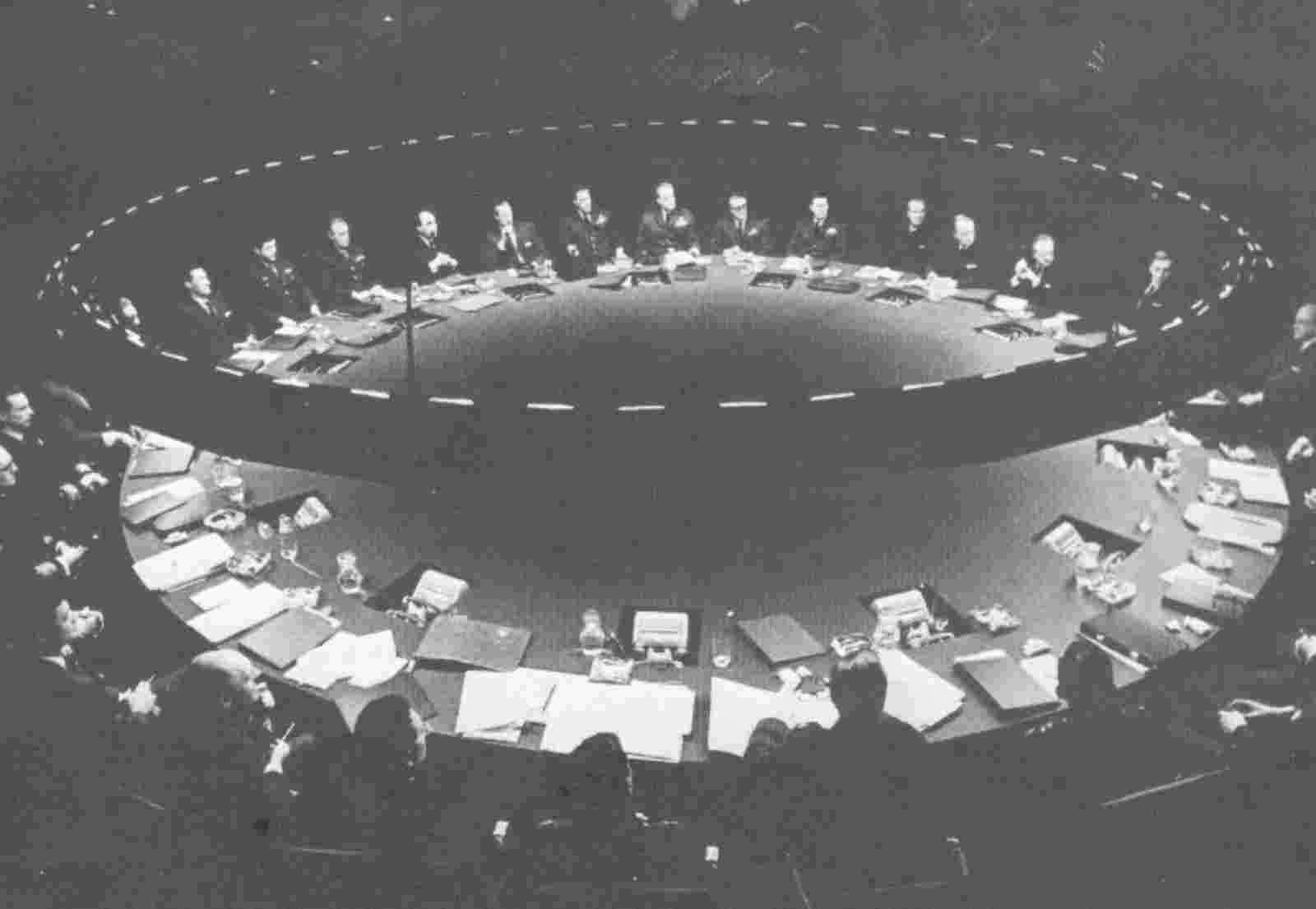
The
spatial arrangements, because perfectly circular,
seem
perfectly orderly, ultra-efficient, and under
control;
the actions of the men inhabiting them,
however,
are those of buffoons whose tragic failures
and
corruptions lead to mankind's destruction. SC
___________________________________________________________________________________________
ACUPUNCTURAL
ANAESTHESIA
(Peking
Television, People's Republic of China, 1971?)
This
sensational documentary visually subverts most
fundamentally both Western medicine and
Western
metaphysical systems.
In one shocking sequence after
another,
it portrays the cutting open of bodies and remo-
val
of lungs, gall bladders, and stomachs on camera, with
patients observed, in the same shot, as
fully conscious.
A few minutes
later, the patients sit up, are shown the
removed
organ in a pan, smile, talk, eat, and applaud
the
doctors who applaud them in turn. Since this action
is in long-shot, without interruption, it
is authentic,
hence
overwhelming. More significantly, it reveals an
entirely non-metaphysical attitude toward
body and
organs; and a
tolerance by Chinese television audiences
of
visual taboos for which we are altogether unprepared.
For
us, operations still involve the violation of what are
subconsciously considered inviolable body
surfaces and
the spilling of
"real" blood; and many remain affected
by
an atavistic dread when confronted by such sights.
___________________________________________________________________________________________
AI
(LOVE)
(Yoji Kuri, Japan, 1964)
A
corrosive comment on romantic love
by
the brilliant Japanese animator;
a
bedraggled male is chased endlessly
in
alienated landscapes by a voracious
female
continually repeating the word
"Ai"
("love", in Japanese). Her attempts
at
domesticating him with a chain fail;
but
the chase continues, forever.
___________________________________________________________________________________________
BEAUTY
KNOWS NO PAIN
(Elliot
Erwitt, USA, 1971)
On one
level, this amazing and secret film
is
a first-rate documentary of the rigorous
training
and indoctrination of some attractive
Texas
co-eds for the Kilgore Rangerette Team, a
nationally
famous corps of marching majorettes
performing
on television and at sports events.
On
another level, however -- in its portrayal of
false
values instilled and the over-all insipidness
of
an enterprise undertaken with utmost serious-
ness
by its perpetrators -- it must be read as a
corrosive
critique of bourgeois America. There is
no
verbal editorializing; the "message" resides in
the visuals (and montage!) and will be
decoded by
the viewer in
accord with his own value system.
___________________________________________________________________________________________
BOY
(SHONEN)
(Nagisa Oshima, Japan, 1969) (F)
Brechtian devices and the modern
avant-garde
merge in an icy,
terrifying con-game based on
a
true incident in which a boy is forced by his
parents
to throw himself in the path of auto-
mobiles
so they can blackmail the driver.
Cars
and materialism are viewed as part of
a
much deplored Americanization of Japan.
___________________________________________________________________________________________
THE
CASTING
(James
Pasternak, USA, 1971)
Based on
unrehearsed videotape interviews
of
unemployed actors answering a casting call
to
appear in a film involving nudity and sex,
this
is an example of the camera -- visible to
the
protagonists -- taking control, confusing
natural
reactions and performances in a
Kafkaesque
morass of hostility, need, exploi-
tation,
human vulnerability, and corruption.
The
"film" was never made: the videotapes,
now on film, remain as a human record
of how different people react to stress.
___________________________________________________________________________________________
THE
CRIMINAL LIFE OF ARCHIBALDO DE LA CRUZ
(Luis Bunuel, Mexico, 1955)
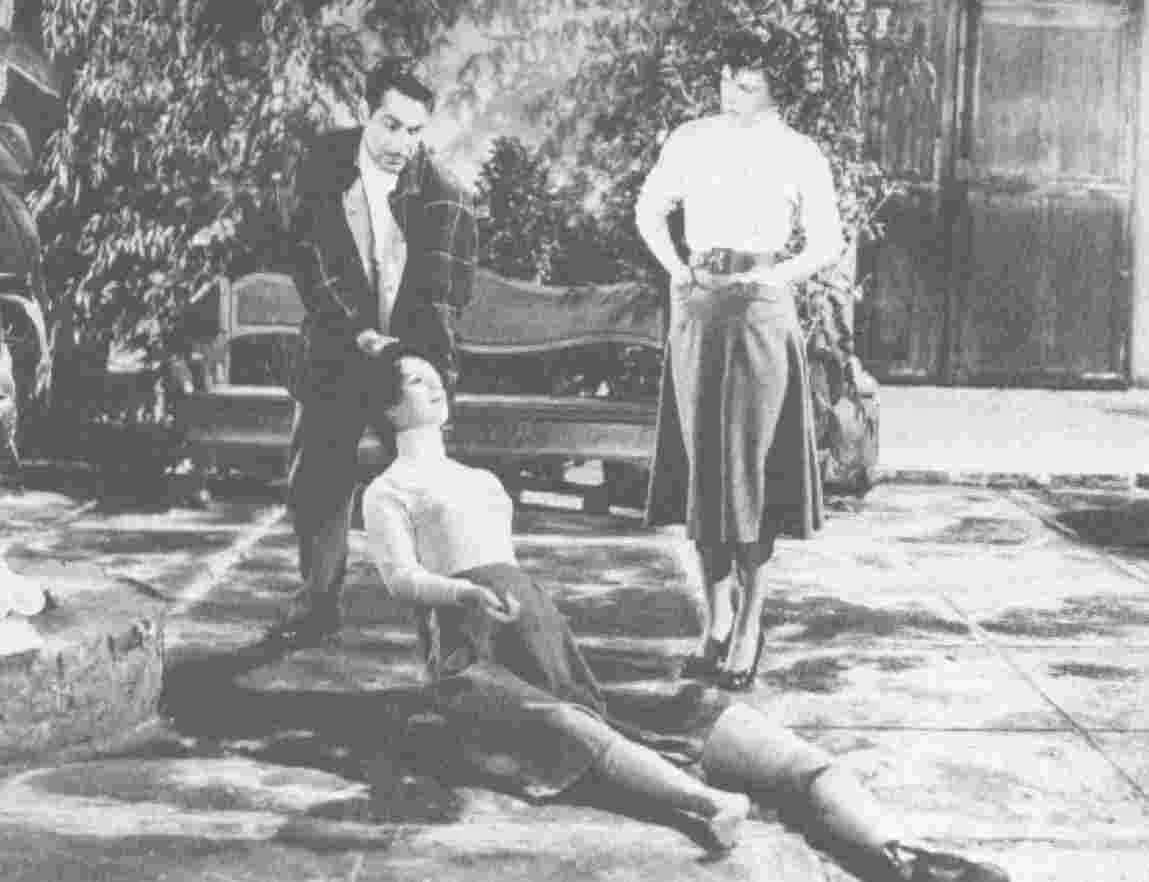
With Bunuel, action and decor always seem
realistic, but some metaphysical shock
element
forever breaks through
the smooth surface;
here, not
only the severed limb (disturbing
even
though only a mannequin's) but the
explicit
likeness of mannequin and woman.
___________________________________________________________________________________________
CLAIRE'S
KNEE
(LE
GENOU DE CLAIRE)
(Eric
Rohmer, France, 1970) (F)
This
film, like the rest of Rohmer's work, is insidious
first
because it insists on a level of civilized dialogue
and
intellectual subtlety practically unknown in the
cinema
and, more importantly, because beneath its
conventional,
presumed "plot", significantly minimal,
there
evolves a secret, second reality which constitutes
a
deeper meaning of the work. The film is not a mere
story
of summer-lit amorous entanglements, but, as in
Laclos'
Dangerous Acquaintances, the manipulation
and
corruption of innocents, who are still capable of
feeling, by sated, world- weary cynics
toying with their
emotions
in the guise of benevolence. The subversion
of the work thus resides in its carefuly
constructed
ambiguity, so
typical of great literature and life.
___________________________________________________________________________________________
CUCKOO
WALTZ
(Edward
van Moerkerken, Holland, 1955)
Goose-stepping
Nazis, church dignitaries, pompous
officials,
and patriotic groups are made to retrace
their
steps constantly and dance to the film's
snappy
music by the doctoring of newsreel mater-
ials
in the laboratory. The result is a delightful
debunking
of law, order and conformism.
___________________________________________________________________________________________
DINNER
THREE MINUTES
(Jean-Paul
Vroom, Netherlands, 1969)
A
family eats dinner, in real time. Nothing happens;
street
noises and irrelevant table talk. Suddenly,
the
father overturns the table, with everything
on
it, and methodically destroys television
set,
piano, lamp, and the rest of the apartment.
___________________________________________________________________________________________
THE
DOVE
(George
Coe, USA, 1971)
While
gainfully preoccupied in an outhouse, Viktor
Sundqvist,
Nobel Prize winner, reminisces about
his
lost youth, his beautiful sister whom he and a
girlfriend simultaneously loved too
passionately,
their attempt to
outwit a slightly Jewish Angel of
Death
in a game of badminton, their nude swim
in
a sylvan lake and their encounters with a per-
sistently
defecating dove. The whole film is a
beautifully
achieved satire of Swedish films
in
general and Bergman's in particular.
The
language is fake Swedish-English-cum-
Yiddish
(almost every word ends with "sk")
and
is accompanied by full English subtitles.
___________________________________________________________________________________________
DREAMS
THAT MONEY CAN BUY
(Hans
Richter, USA, 1948) (F)
This
ambitious work of the American avant-garde
consists
of several "inner visions", based on ideas
(and
enacted) by Max Ernst, Man Ray, Marcel
Duchamp,
Fernand Leger, and Alexander Calder.
Their
infatigable creator is the famous Dadaist
painter
and avant-garde film pioneer Hans
Richter.
The unusual scores were by Paul Bowles,
Darius
Milhaud, John Cage, and Edgar Varese.
___________________________________________________________________________________________
EIKKA
KATAPPA
(Werner
Schroeter, West Germany, 1970) (F)
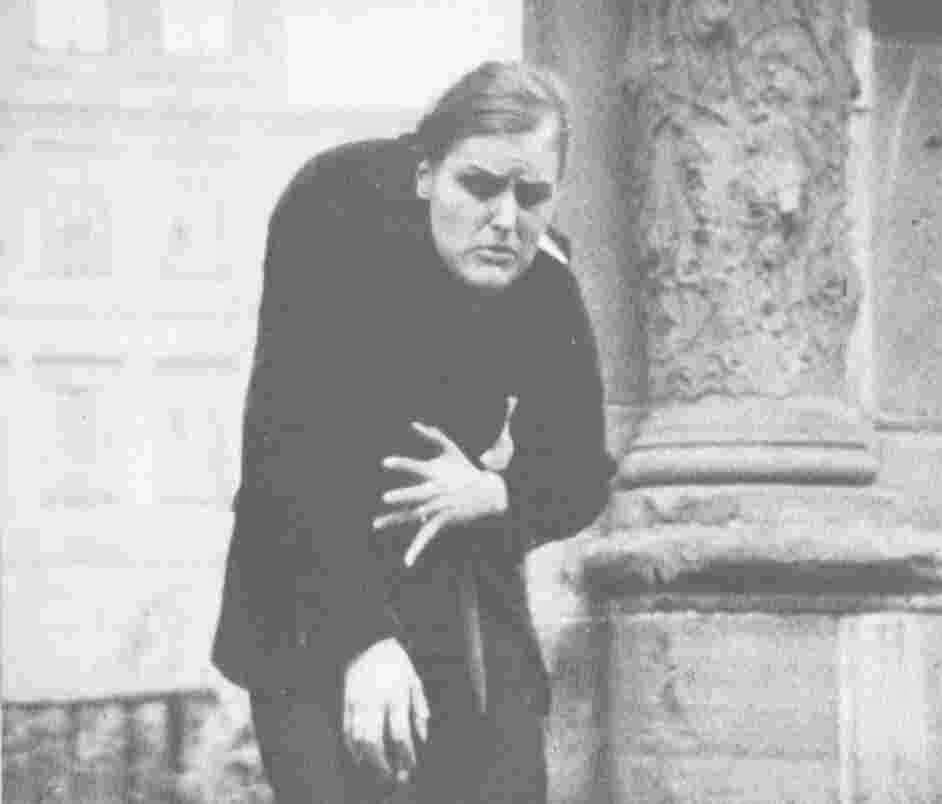
Magdalena
Montezuma "interprets" Part IV
of
Rigoletto with spectacular results in a
subversive
blow at opera in which actors
mouth
their lines in calculated clumsiness
while
world-renowned vocalists suffer
through
the classic repertory.
______________________________________________
A wild
blow at opera is struck by a German director. In this campy
film of nine parts and 56 scenes,
he propels an intentionally hippie
cast
through marvellous spoofs of heartrending, melodramatic scenes
from famed operas. The actors, in
unlikely locales and dress, mouth
their
lines with calculated clumsiness while canned vocalists of world-
repute declaim Verdi, Puccini, and
Beethoven on the soundtrack.
Schroeter's
accompanying program notes, in English, are typical:
"Mario sings on top of a mountain of
his comfortless agony."
"Only
Mozart can express the pains of the now son-less father."
"Thinking of her sinful, unnatural
life, the fragile pop star
must
die on a lonesome and dirty road, sighing helplessly:
Life is very precious, even now, while
her younger
brother comes to
close her broken eyes forever."
___________________________________________________________________________________________
FACES
(John Cassavetes, USA, 1968) (F)
People stripped of all defenses; an
extraordinary, lacerating
examination
of middle-aged sexuality, in which clumsiness,
lust,
and failure of communication are portrayed as inevitable
components. Cassavetes is the master of
fictional "cinema
verite"
who subversively reveals us to ourselves in others. SC
___________________________________________________________________________________________
GESTAPOMAN
SCHMIDT
(POWSZEDNI
DZIEN GESTAPOWSCA SCHMIDTA)
(Jerzy
Ziarnik, Poland, 1964)
A
striking, unprecedented document of the activities of a
Gestapoman, as recorded in his personal
snapshot album,
left during
the Nazi retreat from Warsaw. Of the 380
photographs of executions, tortures, and
beatings,
portraying himself
and friends, 129 have been chosen.
The
narration consists entirely of the appallingly
factual
captions (meticulously identifying each action
and
name of victim) provided by Schmidt -- an unknown
bureaucrat of the Third Reich,
never found or identified.
___________________________________________________________________________________________
HAPPINESS
(LE
BONHEUR)
(Agnes
Varda, France, 1966) (F)
A
happy family, an eternal summer, sexual love,
family
picnics, all the colors and sensuality
of
the Impressionists; and then the wife
commits
suicide, a mistress takes her place,
and
another summer of happiness commences.
A
secret, subversive work of great originality.
___________________________________________________________________________________________

QUEEN
KELLY
(Erich Von
Stroheim, USA, 1928) (F)
Only
decadent Von Stroheim could have
dreamed
up a love affair to begin with a convent
girl
(Gloria Swanson) dropping her panties as
she
curtsies to the prince (who keeps them as a
souvenir)
-- a scene from yet another unfinished
Von
Stroheim masterpiece. Enmeshed in
what
he also hated, this director subverts his
class
and, perhaps unwittingly, reveals the
connections
between libertine and puritan.
___________________________________________________________________________________________
HOW
I BECAME A NEGRO
(WIE
ICH EIN SCHWARZER WURDE)
(Roland
Gall, West Germany, 1970) (F)
This
clandestine film by a new German director subtly
uncovers
complicity, vacillation, impotence, and national
character under the stress of the Nazi
regime, daringly
never shown
or openly characterized as repressive; not
a
single swastika appears and Hitler's accession to power
is only "heard" in military
music and indistinct oratory
through
an open window. Despite this intentional reticence --
an
accurate portrayal of how the average German may have
experienced this period -- the film is
drenched in the spirit
of
totalitarianism and reveals its corroding power by degrees.
Based
on a scenario by German refugee author Oedon von Horvath,
it tells of a young professor under
Hitler who is attacked by
parents
and students for his liberal views. In a para-military
school camp, the class becomes involved
in the death of one
of its
members; the teacher is unable to prevent the implica-
ion of an innocent girl "drop-out"
in the crime. He leaves for
Africa
to start a new life in a mission school; now himself
an
outcast -- a "Negro" -- he joins his fellow Negroes.
___________________________________________________________________________________________
I
LOVE YOU, I KILL YOU
(ICH
LIEBE DICH, ICH TOTE DICH)
(Uwe
Brandner, West Germany, 1971) (F)
A
strange and laconic film set in a small German town in the near
future. This almost utopian
society, in which people are forever
content,
well- balanced, and kind to each other, is slowly revealed
to be a totally controlled benevolent
totalitarianism, based on
drugs
administered voluntarily or by force, where language no
longer conveys emotion but only
facts, where conformism rules
supreme
and where sex is no longer taboo. A young schoolteacher
breaks the rules, is trapped by his
homosexual lover, shot, though
he
turns himself over to the bored, efficient policeman for execution,
becomes an outlaw himself.
Through stylized acting, mysterious
silences,
disrupted sentences and frozen action, an atmosphere of
alienation and stagnation permeates
what the director ironically
calls
"a picture-book story of our Vaterland -- a vicious satire
of the sentimental German "Heimat"
films of the past.
___________________________________________________________________________________________
THE
JAPANESE SWORD
(NIHONTO
- MONOGATARI)
(T.
Asano, Japan, 1958)
This film
portrays the cultural and mythological significance
of
the Japanese sword, its painstaking, loving fabrication,
manifold varieties and uses, poetic
grandeur, and sacred
symbolism;
it is meticulously edited and accompanied
by
Wagner music. A truly seditious recreation of the
imperialist glory and fascist tradition
of old Japan.
___________________________________________________________________________________________
LAND
OF SILENCE AND DARKNESS
(LAND
DES SCHWEIGENS UND DER DUNKELHEIT)
(Werner
Herzog, West Germany, 1971) (F)
Herzog's
magisterial magnificence comes into fuller focus
with
this "documentary" which reveals new facets of his
creative genius. If Signs of Life
and Even Dwarfs Started
Small
are secret works, hiding his true intentions, and
if
the brutally sardonic, metaphysical Fata Morgana
reveals them, this unbearably moving
account of
the lives of the
deaf-and-blind confirms Herzog
as
a mysterious new humanist of the 1970s, light-
years
removed from the sentimentality of the Italian
neo-realists and the simplistic
propaganda of un-
talented
documentary film radicals. When a deaf-
and-blind
man, living in total "darkness and silence",
first gingerly touches a leaf, a branch,
a tree, and finally
enfolds
its trunk in a wordless and sensuous embrace,
we
are in the presence of the true suffering (and hope)
of
humanity and the true genius of a great filmmaker. SC
___________________________________________________________________________________________
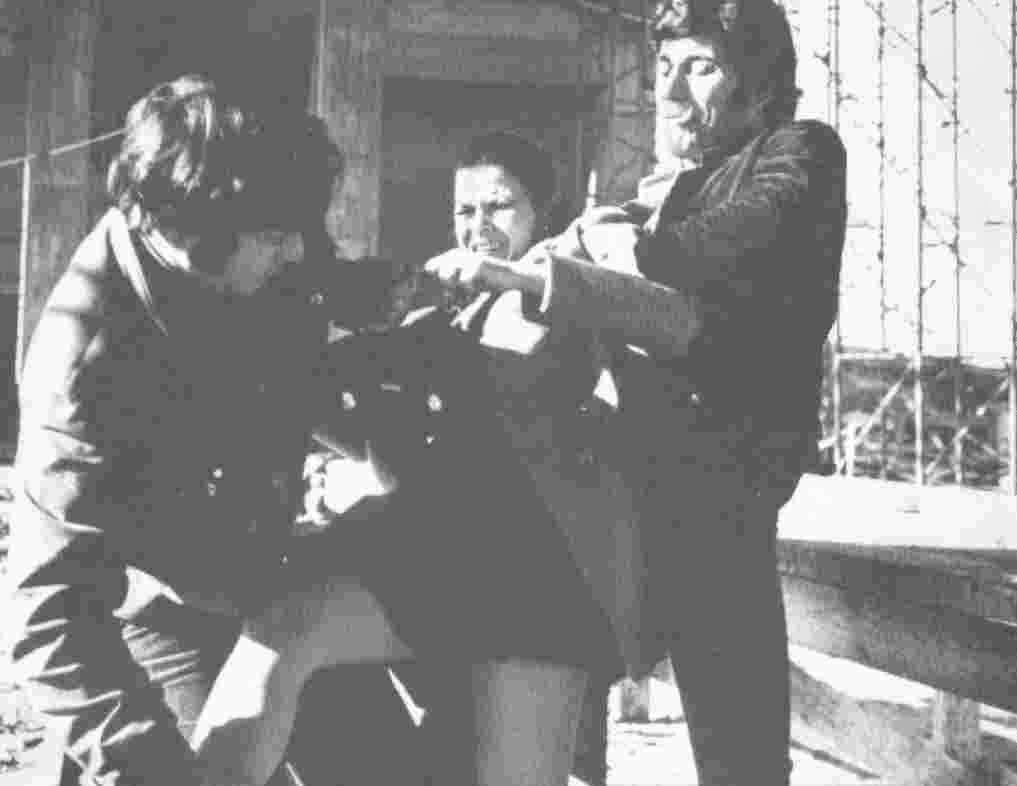
MARGALIT,
THE HIGHWAY QUEEN
(Menahem
Golan, Israel, 1971) (F)
Several
nice Israeli boys about to gang-rape
an
Israeli prostitute in Sodom, of all places;
a
scene from a film that does much to subvert
certain
myths about Israel and substitutes a
non-sentimental
portrayal of its realities --
including
its Americanization.
______________________________________________
Perhaps
this is the first Israeli film to pull the Israelis
down
from the pedestal of the Chosen People and make
them
human. In a non-sentimental yet loving manner,
it
portrays the adventures of a Jewish street prostitute,
her very Jewish middle-aged customers,
and her gang-
rape by four
nice Jewish boys (appropriately, in Sodom).
Particularly
striking is the film's capturing of the Amercan-
ization
of Israel; petrol stations, discotheques, highways,
chewing gum, jazz, and little stuffed toy
animals whose heads
shake
during particularly violent sex episodes with customers.
A very moving sequence, reminiscent
of the Italian neo-realists
(involving
her reunion with her retarded child) and an unexpec-
tedly unromantic end help to make this a
most successful film.
However,
there will be no Zionist benefit parties for it.
___________________________________________________________________________________________
THE
MAILMAN
(POSTSCHI)
(Daryush Mehrjui, Iran, 1971) (F)
This film firnly establishes as a major
talent the Iranian
Mehrjui,
whose successful fusing of pathos, humor, and pre-
occupation with the poor resembles
nothing less than Chaplin
or
early De Sica in its ferocity. In his earlier The Cow,
the
only owner of such a
precious animal in a poverty-stricken
village
goes insane over its loss and assumes its place;
berserk,
he is put into a harness, is dragged off to a
nearby
hospital, beaten like an animal, and finally
dies
the death of a beast in a mudhole. The Mailman
is an unforgettable Wozzeck-like figure,
the eternal
simple-minded
victim who finally rises to mistaken
grandeur
in a murderous gesture that leaves him
braying
with despair over the body of his victim.
Since
such films can never be popular, they are living
proof
of the fact that box-office returns must not
be
allowed to determine the life of a work of art.
___________________________________________________________________________________________

MOONWALK
NO. 1
(USA,
1971) (F)
A subversive
image: the shadow of man
on
the face of another heavenly body.
The
film camera, in more harrowing detail
than
seen in less perfect TV transmissions,
records
its icy, death-like solitude.
______________________________________________
This
35mm color feature, beautifully produced for NASA,
is
the only film so far even to touch on some philosophical
and poetic aspects of what has been so
tragically stereotyped
as a
technological feat. It contains a whole series of sights
never before seen on film: the
earth seen from space
(a green
globe, its loves, poverty, and cruelties hidden
under
anonymous clouds); the beige-grey, icy and dead
expanses
of the moon, seen upside-down from the
circling
rocket; the black, awe-inspiring horizon;
the
cataclysmic, unprecedented fury of the fiery
take-off
from earth. This material is juxtaposed
with
man's ridiculously inadequate response to
the
event: the barbeque-grilling, field-glass-armed,
hot-dog
munching throngs watching the lift-off;
earthbound
both physically and psychologically.
___________________________________________________________________________________________
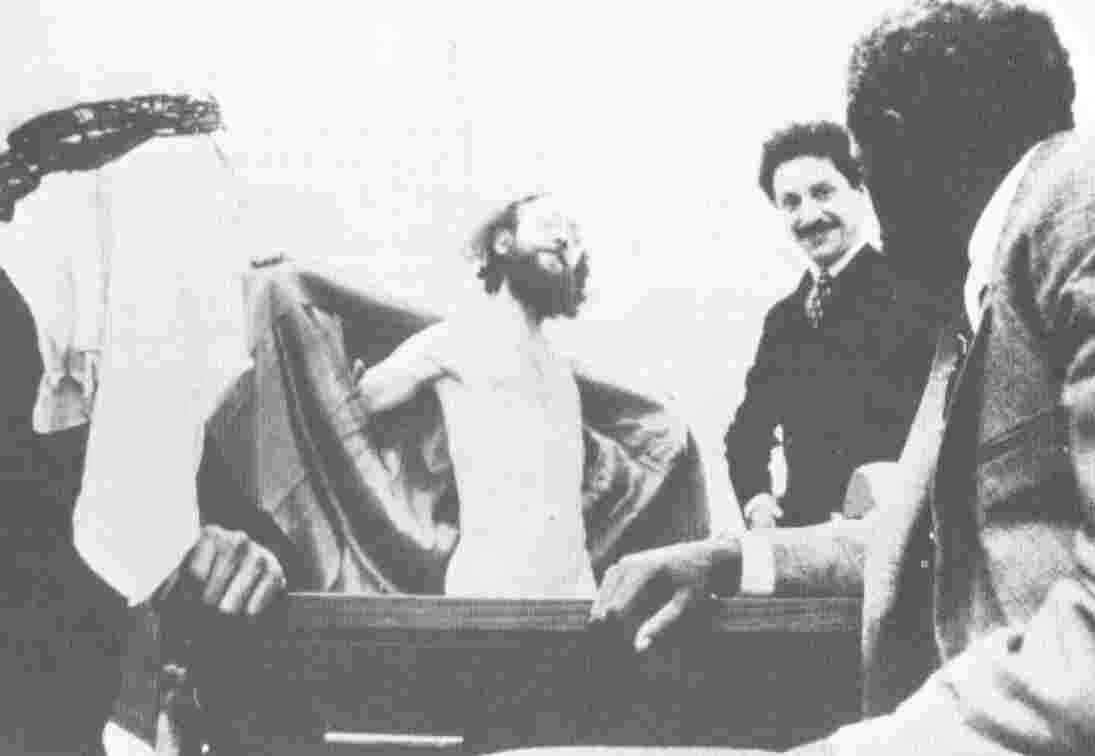
PUTNEY
SWOPE
(Robert
Downey, USA, 1969) (F)
In
this wild satire on Madison Avenue, nobody --
not
even Blacks, Arabs, midgets, or Jews -- remains
exempt
from the director's corrosive, bizarre humor.
Here
an exhibitionist finally finds an opportunity
formally
to introduce himself to the boss.
Though
the film is "subversive", note the
compositional concession to the actor.
SC
___________________________________________________________________________________________
PARIS
BELONGS TO US
(PARIS
NOUS APPARTIENT)
(Jacques
Rivette, France, 1958/60)
This
enigmatic, feature-length "thriller" --
abrupt,
elliptic, paranoid -- enmeshes suspects,
victims,
and seekers alike in a shadowy mystery
of
murder and suicide, possibly linked to a secret
worldwide
conspiracy. The film's hallucinatory power
and
ideological preoccupations have been widely
compared
to Resnais' Last Year in Marienbad. "The
fruit of an astonishing
persistence over several years
to
bring to the screen a personal vision of the world
today;
a universe of anguished confusion and con-
spiracy. It is the fusion of poetic
vision and realist
impression
which makes it a film of foremost im-
portance
to us." -- Claude Chabrol, Jacques Demy,
Jean
Luc Godard, Pierre Kast, Jean-Pierre Melville,
Alain
Resnais, Francois Truffaut, Agnes Varda.
___________________________________________________________________________________________
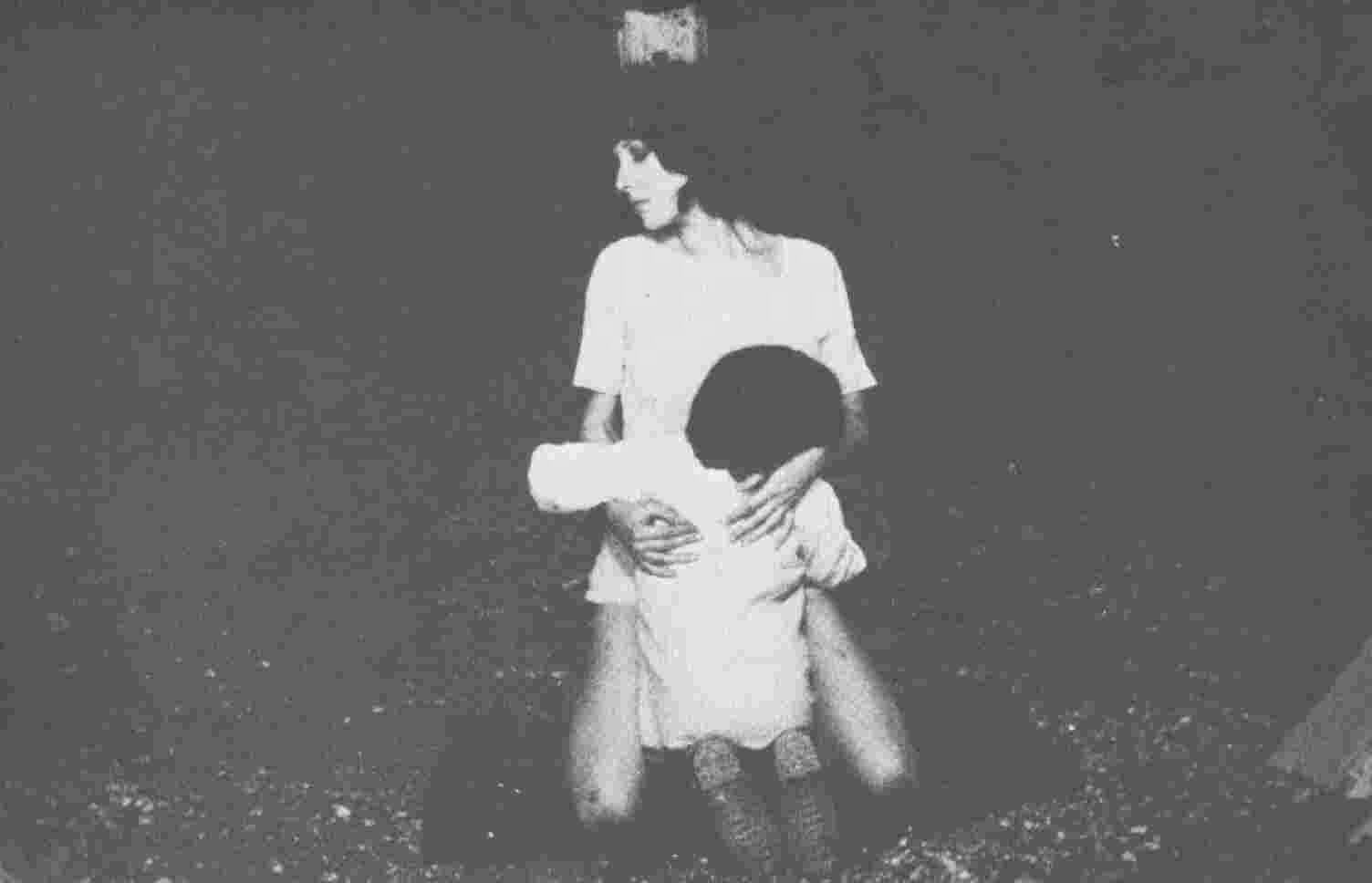
THE
REVEALER
(LE
REVELATEUR)
(Phillippe
Garrel, France, 1968) (F)
Hallucinatory
evocation of a child's real
(or
imagined) memories. Here the child is
between
the mother's legs in foetal or almost
coital
position, his shortness and pathetically
tilted
head sadly hinting at insufficiency;
the
mother, loving yet remote (her head turned
the
opposite way), clasps him in reserved embrace.
The
post evokes a cross or place of punishment.
______________________________________________
With
almost ten features and shorts to his name, Garrel
is
one of the most unknown important new directors;
like
Werner Herzog, he is too original and self-willed
to
become popular. Overpowering in its profound
silence, this seems to be his
masterpiece. It is a hallu-
cinatory,
painful story of a man, a woman, and their
child,
played in a timeless, hermetic universe of country
roads
at night, the eternal, ever-present parental bed,
claustrophobic interiors, and a barrage
of psycho-analytical
revelations
and mysteries, nightmarishly seen or imagined by
the
child. One of the few psychologically valid visualizations
of a child's tortured Oedipal fantasies
ever created on film,
The
Revealer subverts by activating the spectator's own
troubled subconscious. The poetry and
profound mystery of
the
images, the constant visual shocks and revelations mark
Garrel as a major new talent of the
international cinema.
___________________________________________________________________________________________
SALESMAN
(David and Albert Maysles, USA, 1969)
(F)
However muted, this cinema
verite study of itine-
rant
Bible salesmen doing their thing for God and
the
company is an inevitable indictment of the
commercialization of religion.
Proletarians
and lower
middle-class alike are cajoled into
long-term
contracts, special bindings, and
tie-in
deals, while their fears, superstitions,
anxieties,
and poignant attempts somehow to
take
out a life insurance with God are carefully or-
chestrated by cold-blooded and petty
mercenaries.
Some of the
stifling realities of Middle America
have
never before been so mercilessly documented. SC
___________________________________________________________________________________________
THE
SCANDALOUS ADVENTURES OF BURAIKAN
(Masahiro
Shinoda, Japan, 1970) (F)
Magically
transfigured by the well-known avant-garde
playwright
Shuji Terayama from a Kabuki play,
this
densely textured, sprawling tapestry of "a time
of
repression, anarchy, hedonism and decadence"
offers
a sophisticated equivalent of a flamboyant,
picaresque
cartoon strip serial, its studied "vulgarity"
wedded to a profoundly modern ironic
pessimism.
The
philosophical tone is set by a barker in the
Edo
theatrical district: "Hell is here on Earth.
The
Wheel of Fortune Turns Forever." The time
is
the 1940s, the last feudal period of Japan, when
Lord
Mizuno despotically attempts to reform the city
and
return it to law and order by banning amusements,
prostitutes, fireworks, and gambling. The
flamboyant
action, broad
acting, garish make-up and decor are
melodramatic
and one-dimensional, as befits a cartoon,
but
round the edges hovers a very contemporary
Weltschmerz,
intimations of a hostile universe
dominated
by chance, with innocence at the mercy
of
evil, murderous violence close to the glittering
surface
and rogues (buraikans) in every corner.
In a
climactic confrontation, the despotic reform movement
is
attacked by its victims -- actors, hairdressers, loafers,
"waitresses", and rogues,
reminiscent of the Brechtian
Lumpenproletariat
in Eisenstein's Strike -- who burn the
city's
guard houses, set off (forbidden) fireworks, and proclaim
"the beginning of the eternal
festival." The buraikan informs
Lord
Mizuno that his day is over, but is coolly told that no
riot can ever overthrow power, since it
is eternal and will
always be
replaced. The buraikan, to prove the existence
of the revolt, flings open a window to
show the lord the
forbidden
fireworks, but realizes, transfixed, that they are
unaccompanied by sound, a dream rather
than a reality.
In an
apocalyptic finale (to Shinoda, the equivalent of the
revolutionary students' riots of our
day), the rebellion
is crushed
amidst Bosch-like images of death, hangings,
silent
fires, and murder, with a man and a woman in-
differently
coupling in a burning, devastated house-front,
while
a would-be actor casually notes that someone seems
to
be attempting to change the world. The last image
is that over a coffin-maker who, as
throughout the film,
diligently
hammers away at his coffins, now busier than ever.
___________________________________________________________________________________________
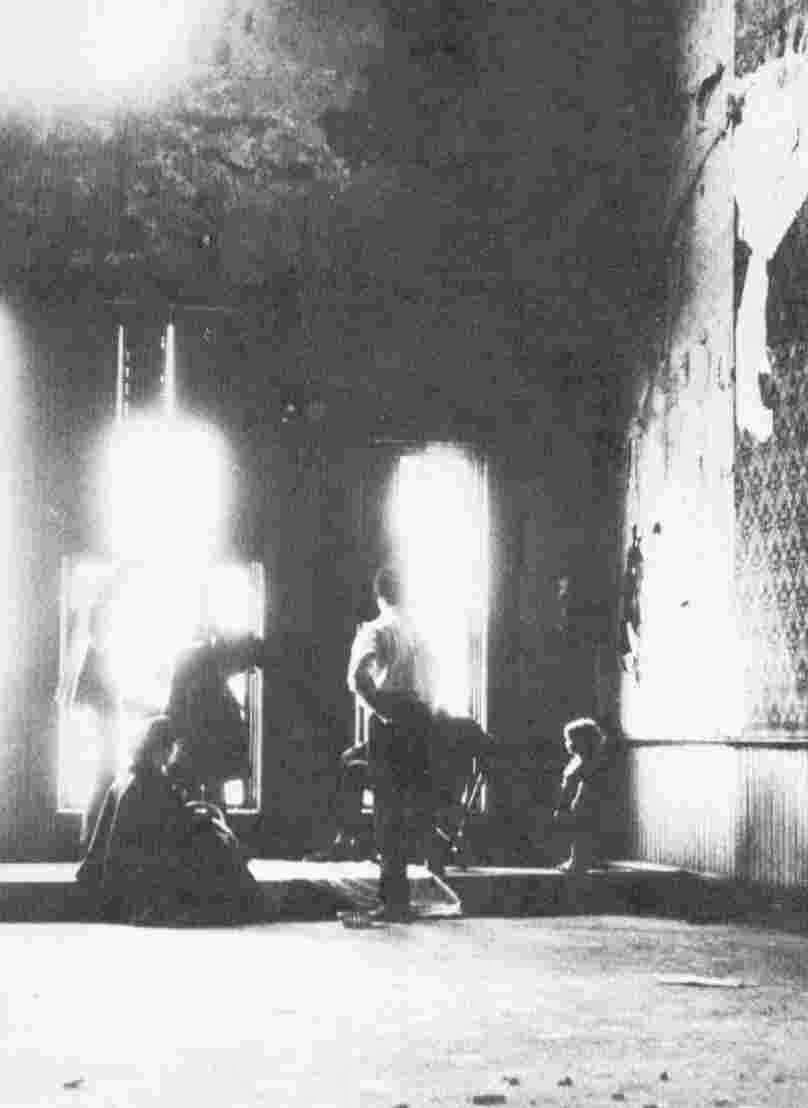
THE
PATH
(Richard
Myers, USA, 1961)
Light as the
symbol of the ineffable.
The
"plot" of this subjective recreation
of
a dream seems to concern a mysterious
journey;
the spectator, however, is visually
directed
toward forms and substances
rather
than to the protagonists by a film-
maker
who is a master of visionary cinema.
___________________________________________________________________________________________
TALES
OF KUBELKIND
(GESCHICHTEN
VOM KUBELKIND)
(Ula
Stoeckl and Edgar Reitz, West Germany, 1970) (F)
In
form and content possibly the most original German
avant-garde work of the seventies, this
film now runs
over three hours
and consists of 26 stories about
Kubelkind
(garbage-can-child, a Viennese oath),
each
from one to thirty minutes in length and
strung
together very loosely. An eventual ten hour
film
is envisaged. Kubelkind -- a nubile young lady
emerging
fully-grown from a garbage can into which
an
unwanted baby had just been thrown -- is an eternal
misfit who effectively disrupts bourgeois
society.
Chapter headings
convey the film's flavor. "When
Kubelkind
wants it, some men drop their pants quickly."
Something about the ability of society to
forgive, to forget,
and to
revenge." "Kubelkind experiences an educational
attempt at the hands of a priest."
"Kubelkind becomes
acquainted
with a lord and is hanged." "Kubelkind believes
in installment buying and must therefore
jump from a
four-story
building while singing a sad song." In one
scene, she succeeds in persuading her
lover to eat various
parts of
his body to prove his love; in another, she is
sadistically killed by a "Hurenmorder"
(Whore-murderer),
played with
full commitment and gusto by Werner Herzog,
the
director of Fata Morgana and Even Dwarfs Started Small.
The film is a bawdy, cruel, sardonic work
which manages
to spoof
practically every genre of filmmaking -- gangster,
sex,
vampire, science fiction, and family films.
___________________________________________________________________________________________
TITICUT
FOLLIES
(Frederick
Wiseman, USA, 1967) (F)
Prisons
and mental institutions, where recalcitrant or ill-fitting
citizens are put out of sight, are the
dirty secrets of civilized society.
As
they are owned and controlled by precisely those who wish to
keep them secret, and are also confined
to specific, enclosed spaces,
filmmakers
are easily kept out. Wiseman's achievement in creating
this unique film document is therefore
all the more impressive:
it is
a major work of subversive cinema and a searing indictment --
without editorializing narration -- of
the "system". Wiseman (and his
extraordinary cameraman-anthropologist
John Marshall) officially
gained
entrance to a state hospital for the criminally insane, where the
film was shot, and obtained the
cooperation of its psychiatrists, guards,
and
social workers. Massachusetts, however, subsequently obtained an
injunction preventing the film's
exhibition, thereby keeping the secret.
This is
a gallery of horrors, a reflection of man's infinite
capacity to dehumanize his fellow
beings. Broken men,
retarded,
catatonic, schizophrenic, toothless -- many
incarcerated
for life -- vegetate in empty cells, bare of
furniture,
utensils, toilets, or beds. They are incontinent,
they
masturbate, babble, put on a horrifying annual
variety
show (the "Titicut Follies"), beat against the bars
in rage, and scream. They stand on
their heads for minutes
on end
while chanting self-invented hymns, or are force-fed
through the nose while a Dr. Strangelove
psychiatrist himself
(!) pours
liquid down the stomach tube. They are taunted
or patronized, drink their own dirty
bathwater while in the
tub
(smilingly calling it champagne), and die, ignonimously,
their bodies shaved before burial and
cotton-wool stuffed
into their
eyes. The camera flinches from nothing; here
it is, it says, and since you are
not doing anything about
eliminating
this, at least have the courage to watch. SC
___________________________________________________________________________________________
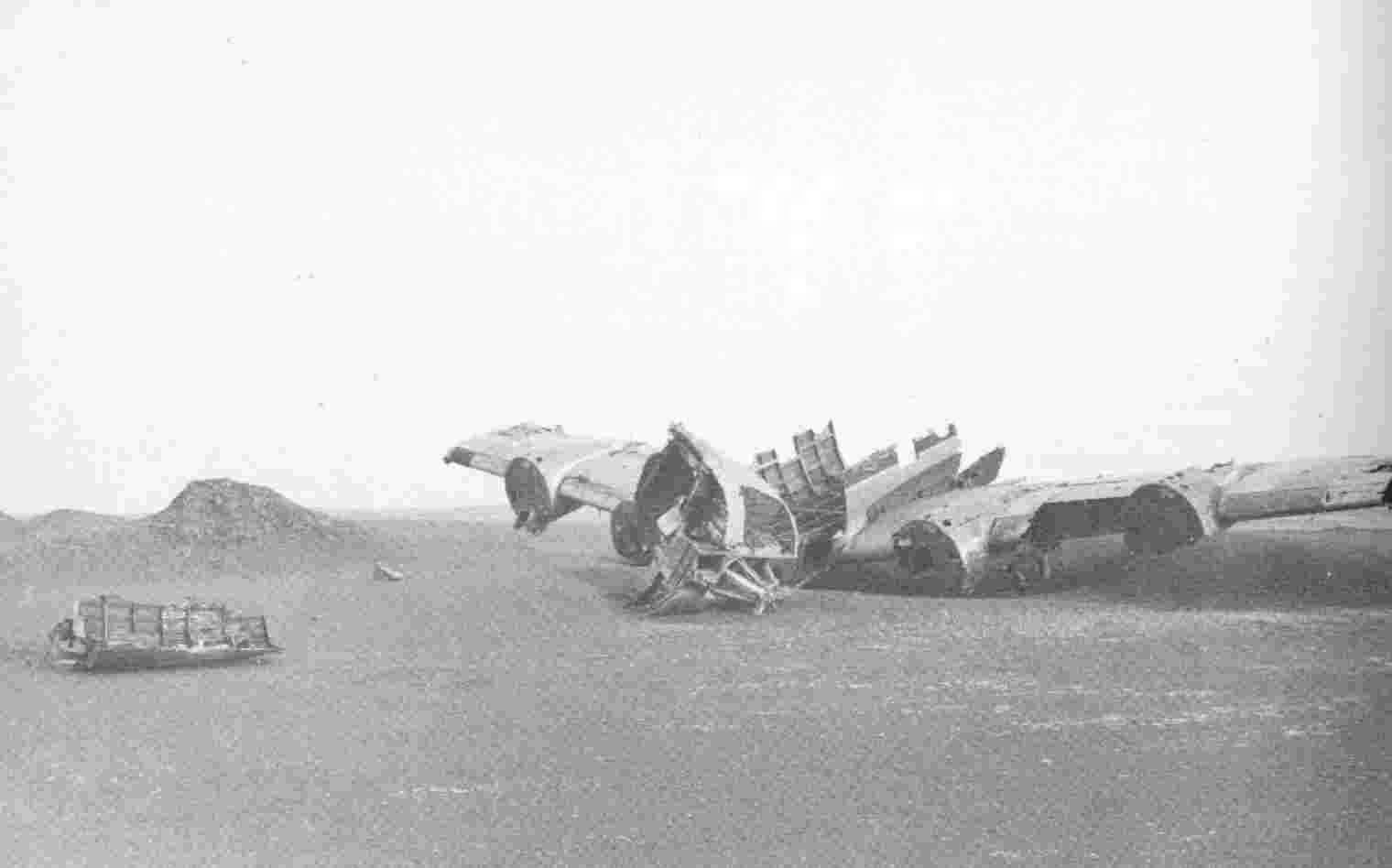
FATA
MORGANA
(Werner
Herzog, West Germany, 1970) (F)
A
sardonic, melancholic comment on man in
the
universe, perversely (and accurately) set in
primitive
Africa; for here technology is once again
embraced
and absorbed by nature. The presence
of
a decaying aeroplane in a desert is surrealist in
its
implications, matching a host of other hallu-
cinatory
images in this neglected masterpiece. SC