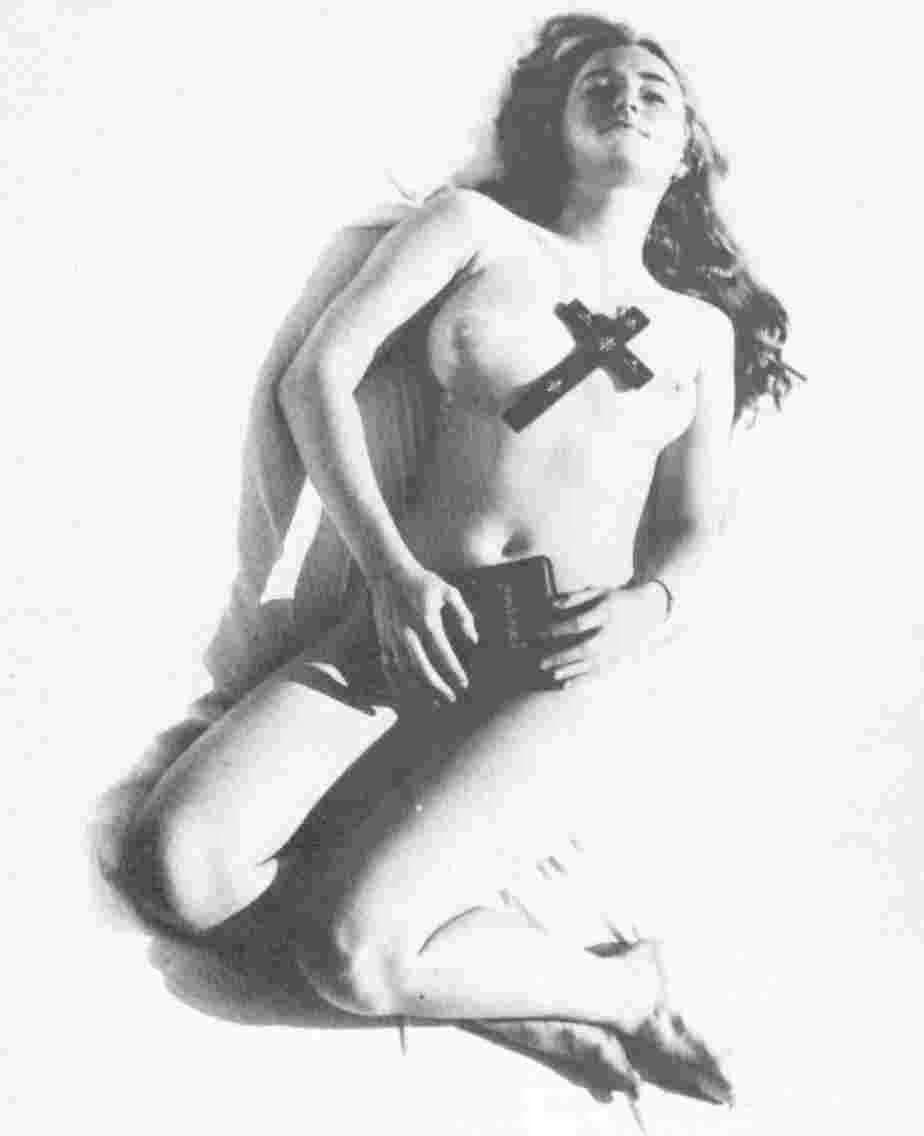
FILM
- AS A -
SUBVERSIVE ART
THE
BED
(James
Broughton, USA, 1967)
Sacrilege
remains attractive as long as God
is
still considered a worthy opponent. The
spatially
very specific juxtaposition of sex
image
and the accoutrements of organized
religion
provokes the usual tension of guilty
delight
at the viewing of a forbidden image.
THE
POWER OF
THE
VISUAL TABOO
To the
extent that there still exist forbidden images, when
have
not advanced beyond the stage of pre-history. For the
acceptance of several understandable
misconceptions on the
part of
early man that appear positively embarrassing when
carried over into the 20th century:
the notion that represen-
tation
is identical with reality, that particular objects or acts
have magical powers, and that these
involve the punishment of
those
who "transgress" by touching, taking, or portraying them.
The
injunction not to look or touch is as old as man. Its
determination is a prerogative of Gods,
kings, and priests --
the
"haves" wishing to protect their own. They establish its
validity for the have-nots by means of
law-enforcing agents
and
medicine men, feeding on earlier animistic beliefs and
the ignorance of men beset by alien and
inexplicable forces.
The
designation of taboo foods, objects, idols, acts, and per-
sons establishes a system of rigidly
enforced rules of order
and
social control: for the taboo object is thought to be "con-
tagious", its pollution inevitably
transmitted to the violator.
The fear
of contagion is also a fear of temptation.
The
tabooed object or act always embodies within
itself
loathing and attraction, the "awful as well
as
the awesome" and its "holy dread" (Freud) will
be the stronger, the more desired the
object.
The
differentiation of the two attitudes is never
perfectly
accomplished even in the higher religions,
for
always some ambiguity remains as to what is
fearsome
because diabolic and what is fearsome
because
divine. The "unclean thing" and the "clean
thing" alike possess power,
whether this be the
power
to blast or the power to bless.
(1)
Woman
and her reproductive cycle are filled with
taboos.
Menstruation and pregnancy are viewed
as
unclean in many tribes and systems of religion.
Even
stronger are taboos on sex itself, the most
fundamental,
most powerfully desired, and
hence
most dangerous act of human existence.
Many
primitive people display a lively fear of the consequen-
ces of sexual intercourse either for
themselves or for others.
Mystic
dangerousness invests the organs of generation; they
are
a seat of occult power. Because a woman is so often
regarded as temporarily or
permanently unclean, contact
with
her in the intimacy of the sex embrace would naturally
be
considered to involve pollution, sometimes for the man
alone, sometimes for the woman as
well. Such an idea combines
readilywith
the further notion that the physical uncleanliness
resulting from the discharge of
fluids by both parties, at the com-
pletion
of cohabitation, becomes a source of ritual uncleanness. (2)
The
Judeo-Christian concept of original sin is a qualitative
extension of these early tendencies, an
"elaboration" of a
taboo
by means of a legend. But nudity and exposure of
sex
organs cause neither shame nor surprise in primitive
society: it would require special
education, Rene
Guyon
notes, to produce "that apparently natural
and
spontaneous horror which Western people
experience
when they see the naked body." (3)
The
mere fact that certain organs are related to certain functions
surely affords no ground for
indignation or disgust ... neither
physiology,
psychology nor logic can provide the philosopher
with
satisfactory reasons for excommunicating a few parti-
cular muscles and sensory organs ...
it is only through sex
prohibitions
themselves that a special value comes to
be
placed upon the exhibition of sexual organs.
(4)
As the
system of taboo was superseded by organized religion
(latter-day magic), it reappeared in the
new guise of ethical
and moral
imperatives, so carefully embedded in the collective
unconscious as to give them the legitimacy
of natural laws.
Webster
correctly points out that these imperatives
include
the inviolability of marrige, of private property,
law
and order, and the establishment itself.
Because
the distinction between "looking" and "participating"
was not defined among primitive men as it
is now and pictorial
representation
less important, the taboo of "looking" has assumed
greater importance in our time. And
if primitive people even
today
avoid being photographed in the belief that part of
the
spirit is removed at the instant a picture is "taken", (5)
we, too, by becoming
"self-conscious", pay subconscious
tribute
to the "magical" propenseties of the photograph.
it is
the "fixing" of a concrete moment of time that helps evoke
this twinge of anxiety, by investing the
image of an event
with a power
the event itself does not possess: permanence.
___________________________________________________________________________________________
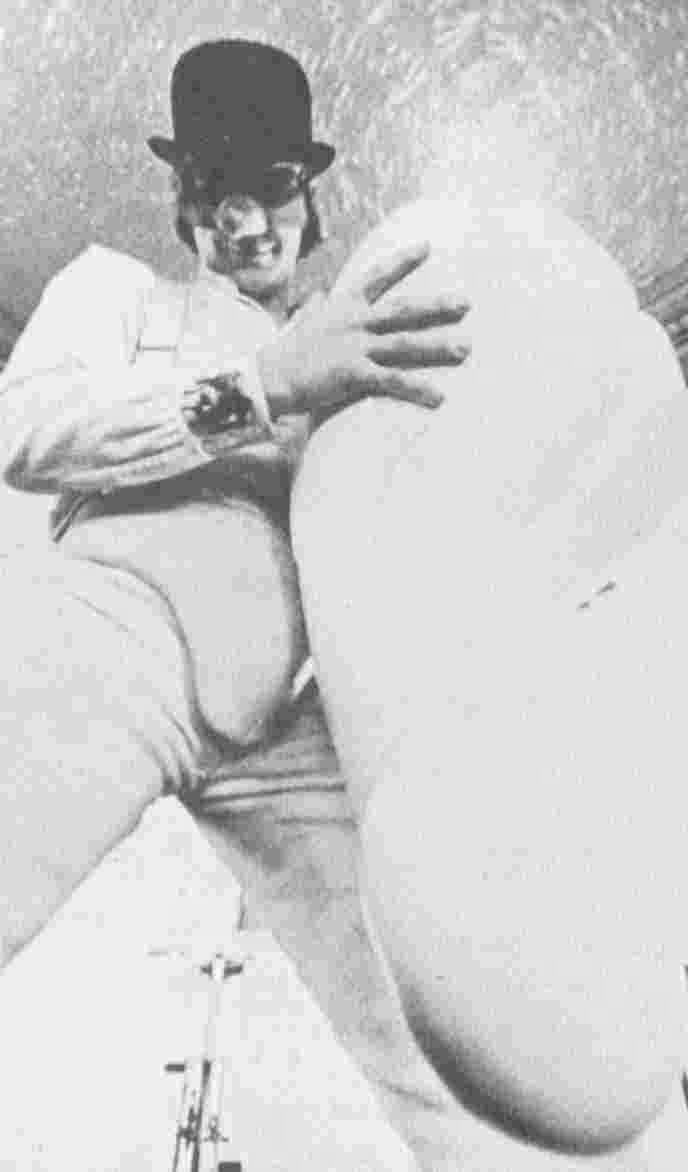
A
CLOCKWORK ORANGE
(Stanley Kubrick, Great Britain, 1971)
The most dangerous object known to the
censor
because the most
desirable, here boldly multiplied
in
several symbolic approximations and stylized
under
a spectral light. The camera angle reinforces
the
aggressive, lethal character of the weapon; and
this
is how it is used. For the commercial cinema,
even
an artificial phallus is a step forward. SC
___________________________________________________________________________________________
THE VISUAL TABOO IN FILM
However
irrational, the taboo (or even the "frowned-upon") image
reflects subconscious realities still
operative in men. This can be
felt
in the pronounced physiological and emotional reactions of any
movie audience, subject only to individual
variations of intensity or
duration.
We refer here not to applause or hisses; more importantly,
viewers will, at given moments, flinch
from what occurs on the screen --
not
merely by turning away (this would be sufficient) but by irrationally
shielding their faces; they will call out
in anger or approbation, burst
into
tears, fall into deep silence, vomit, faint, or leave the theatre.
Many must avert their glance when the
camera peers down from high
buildings;
or cry out in fear when a mountain climber suddenly loses his
grip. However noisy, they are instantly
quieted by sex scenes, the more
direct
the portrayal, the more pervasive their silence. "First"
attendees
of sexually explicit
films react (in direct proportion to how repressed they
are) with disgust, defensive laughter, or
haughty boredom; but they soon
fall
silent and retreat into private reverie with their less complicated
fellow-viewers. Stimulil so strong that
they eventuate in actual movement
or
physiological response (such as vomiting or fainting) do not (except
for
tears) occur in reading or
listening; it's the palpable "actuality" of the image,
its concrete revelation of the previously
hidden, feared, or desired, the
lessened
"distance" between viewer and simulated reality that is the
source of its power: "In
dealing with events or behavior, the movies can
sweep
away the ordinary technical barriers -- words, pictorial stillness,
diminution -- that stand between the
viewer and physical reality depicted
by
the printed media." (6) Thus when I Am Curious -
Yellow was under
litigation
in several dozen American cities and states for obscenity, its
full script was on sale nationally as a
paperback; and sexually explicit
"hardcore"
books are now available at American drugstores
while
photographs detailing identical acts are not.
The
shock inevitably connected with the portrayal of a taboo object
or act is significantly magnified in the
case of film. The image itself
is
huge, setting up immediate tension with the viewer. It
moves
in bright space against a
totally black background. It can be intro-
duced
in the most instantaneous, intentionally frightening or
disruptive fashion by means of
editing, zooms, rapid pans, special
effects,
occurring singly, or even more potently, in combination.
Particularly
traumatic are sudden and unexpected transitions from
innocuous to taboo images. For we
attend ordinary "entertainment"
films
without fear of risk, secure in the fore-knowledge that we
shall participate in an illusion; it may
look like reality but is not.
When
confronted by visual taboos, however -- such as real sex or
death -- we immediately feel an element of
risk and primordial
danger, as
if the image could touch, indeed, engulf us within its
own reality. It is in these supreme
moments of cinema that we
should
sense our affinity with primitive man not yet fully able to
distinguish between reality and image:
for both in flinching from
or
in reverential complicity with the taboo image, we elevate
a reflection of moving light patterns to
the status of truth.
Film
seems to be the medium most capable of utilizing reality
for purposes of art or record, a
characteristic of fundamental
importance.
In the other arts, even so-called "true events" must
be fabricated: a biography of a
famous personality, however "docu-
mentary"
in intent, remains a recreation at the hands of an artist
or a hack. But the film biography of this
same man can draw on
actual
film records of his life, however subsequently transmuted
by montage into truth or falsehood.
Similarly, cinema enables us
to
witness the horror and secret tickle of real death or murder,
torture and executions, the drama of
birth, and, lately, real sex.
In the
case of actual death before the camera, we are
never
confronted by the usual philosophical "problem"
of cinema verite of whether the
filmmaker's presence
does or
does not change the reality of the event;
the
dying man is either unaware of the camera or
no
longer cares to maintain his customary defense
patterns
for a posterity of which he will not be part.
The case
of sex is more complicated, for despite the hundreds
of
recent "hardcore" films, we do not see completely
documentary
sex, unless one-way
mirrors are used which the protagonists are
unaware
of. Today's sex films, whether soft- or hard-core, are
"acted", despite the change from
"simulated" to "real" sex (complete
with orgasm and ejaculation). It is
only to the extent that sexual
passion
becomes dominant and the initial monetary or exhibition-
ist impulses of the "actors"
recede that the film comes closer
to
recording an actual sex act in which the protagonists forget
camera and audience; dialectially,
this "forgetfulness" is intuitively
grasped
by the audience, resulting in more pronounced arousal.
Conversely,
where the taboo image appears as part of
a
staged event, its impact on the viewer is far weaker.
Only rarely (in films such as
Diabolique or Psycho) does
fictional
recreation reach the intensity of the true taboo.
Certain
taboo images do not appear on screen either because
they
have gone out of style or because they are so threatening
as to have been banished from the
subconscious. "Suggestive"
situations
in old Hollywood films today strike us as merely archaic;
and even I Am Curious - Blue (part
II of I am Curious - Yellow)
was
no longer a hit, precisely because Yellow, by providing the
thin end of the wedge, had immediately
been outstripped. The
awesome
documentary shots of A-bomb explosions -- always
leading
to complete audience silence -- have disappeared from
the screens of the world, indicating that
the central reality
of our era
has been pushed into the collection unconscious.
But the
primitive taboo, however irrational, remains with us;
its
persistence into the present is frightening to behold.
As
we watch scenes of death, intercourse, or birth in rev-
erential abandon, our utter silence is
witness to the thrilling
guilt
of the voyeur / transgressor (to see what one has no
right to see), coupled with fear of
punishment. How delicious
when
it does not come and the forbidden act or image can
continue to be viewed! It is only to the
extent that these
forbidden
sights will become more common in cinema
that
we shall begin to accept them for what they are:
climactic moments of life without doubt,
but only part of it.
The
attack on the visual taboo and its elimination by
open,
unhindered display is profoundly subversive,
for
it strikes at prevailing morality and religion and
thereby at law and order itself. It
calls into question
the concept
of eternal values and rudely uncovered
their
historicity. It proclaims the validity of sensuality
and lust as legitimate human prerogatives.
It reveals
that what state
authority proclaims as harmful may in fact
be
beneficial. It brings birth and death, our first and last
mysteries, into the arena of human
discourse and eases
their
acceptance. It fosters rational attitudes which fun-
damentally conflict with atavistic
superstitions. It de-
mystifies,
organs, and excretions. It does not tolerate man
as
a sinner, but accepts him and his acts in their entirety.
To those
who abolish taboos, "nothing human is alien",
as they marvel at the multiplicity of
human endeavor
and the
diversity of an enterprise limited only
by
generic structure and cosmic environment.
REFERENCES
(1)
Hutton Webster, Taboo, 1942 (2) Webster
(3)
Rene Guyon, The Ethics of Sexual Acts, 1934
(4)
Guyon (5) Robert W. Wagner, "Film, Reality, and
Religion",
in
John C. Cooper and Carl Skrade, Celluloid and Symbols, 1970
(6) Richard S.
Randall, Censorship of the Movies, 1970
FILMS
___________________________________________________________________________________________
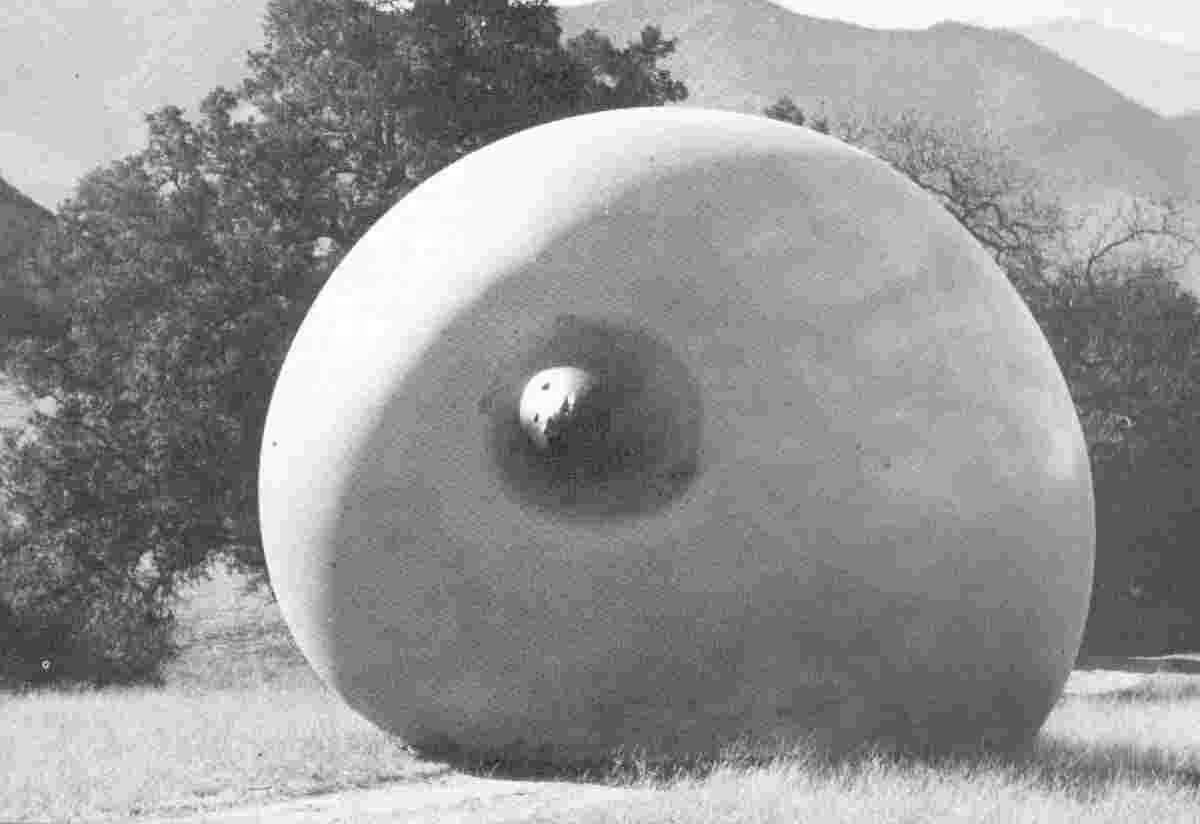
EVERYTHING
YOU ALWAYS WANTED TO KNOW
ABOUT
SEX, BUT WERE AFRAID TO ASK
(Woody
Allen, USA, 1972) (F)
Familiar
objects and locale -- unfamiliar juxtapositions
and
disproportionate size. A monster breast scouring
the countryside provides an example of
the surrealist
object attack a
visual taboo. Since no threat is implied,
however,
the visual shock induces laughter instead of fright.
___________________________________________________________________________________________
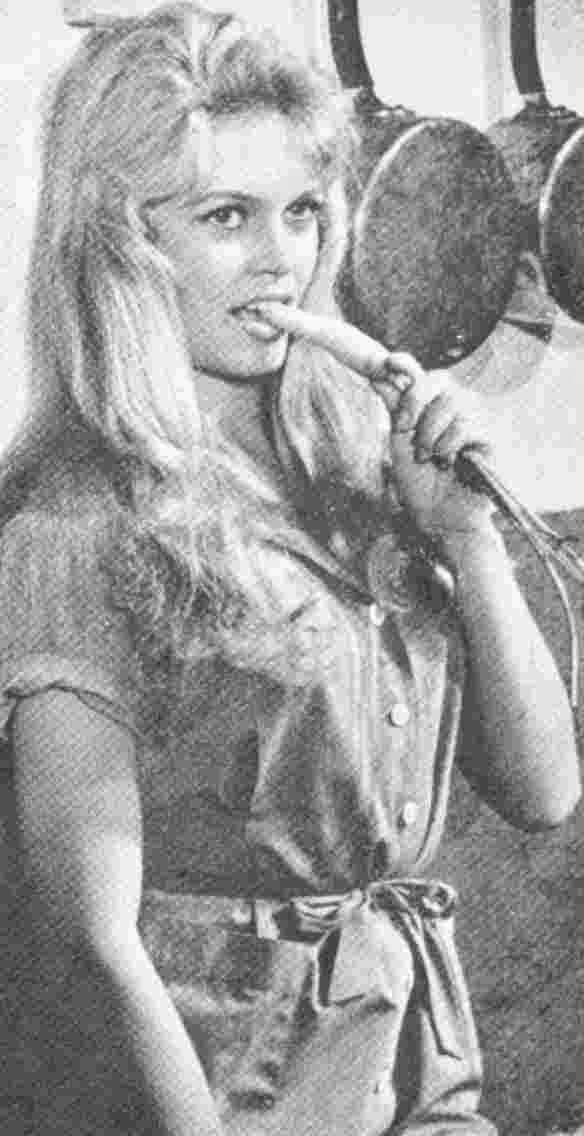
AND
GOD CREATED WOMAN
(ET
DIEU CREA LA FEMME)
(Roger
Vadim, France, 1956) (F)
Bardot
as a vegetarian, or -- how easy it is to get
around
the censor. In a medium as taboo-ridden
as
the cinema, this disguise combines box-office
appeal
with safety; depending on the director's intent,
it
may represent either titillation or erotic realism.
___________________________________________________________________________________________
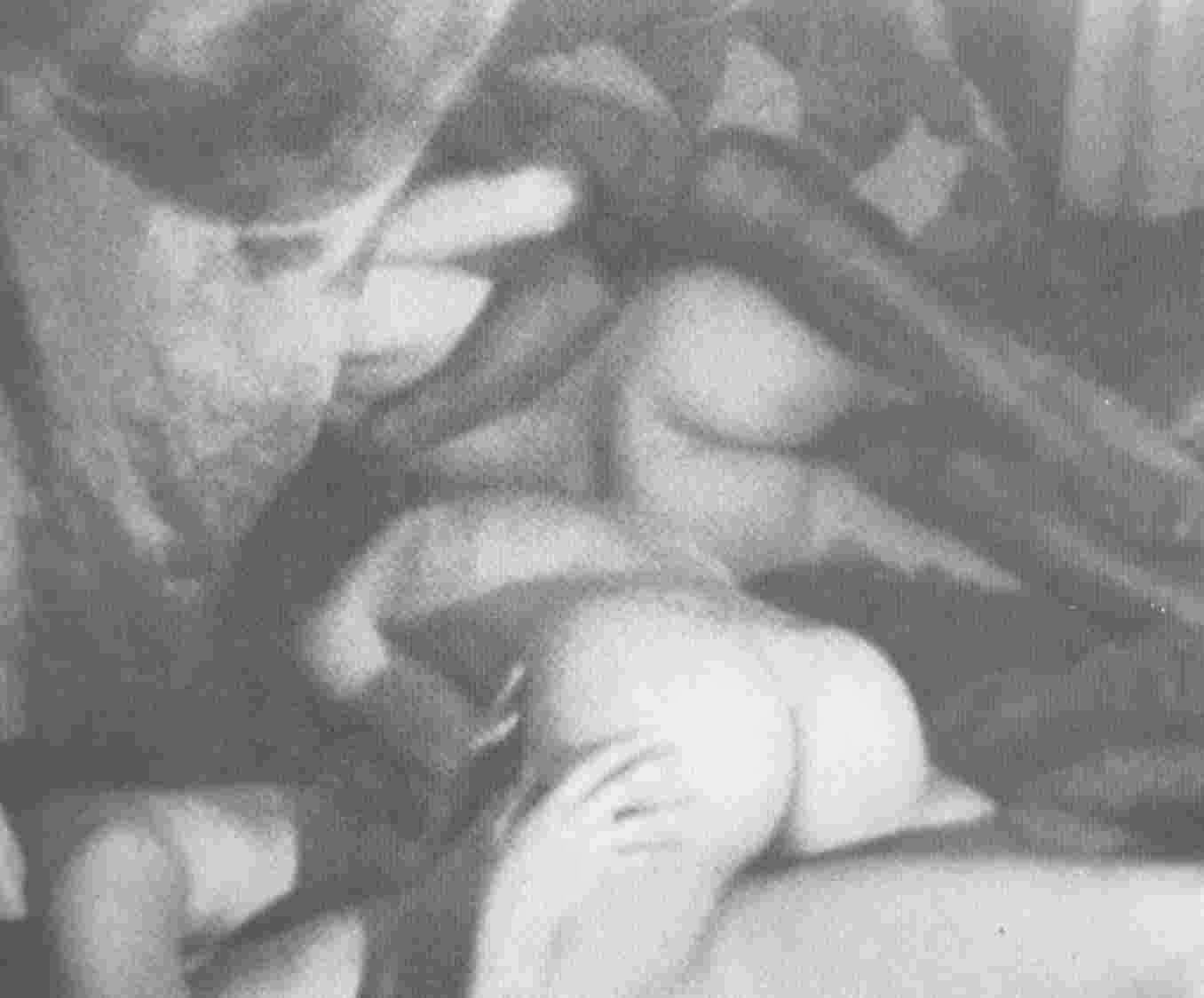
EVENTS
(Fred Baker, USA, 1970)
The
most dangerous image known to man. Though
it
portrays the most universal, most fundamen-
tal,
most desired human act, it must not be shown
(either
in its joining of bodies or coupling of organs),
be
it because sex is (still) considered sinful or be-
cause
of an atavistic fear that the act will "spring"
from the screen and invade the
audience with
its heavenly
power. As long as this image is for-
bidden,
its presentation will be a liberating act.
___________________________________________________________________________________________
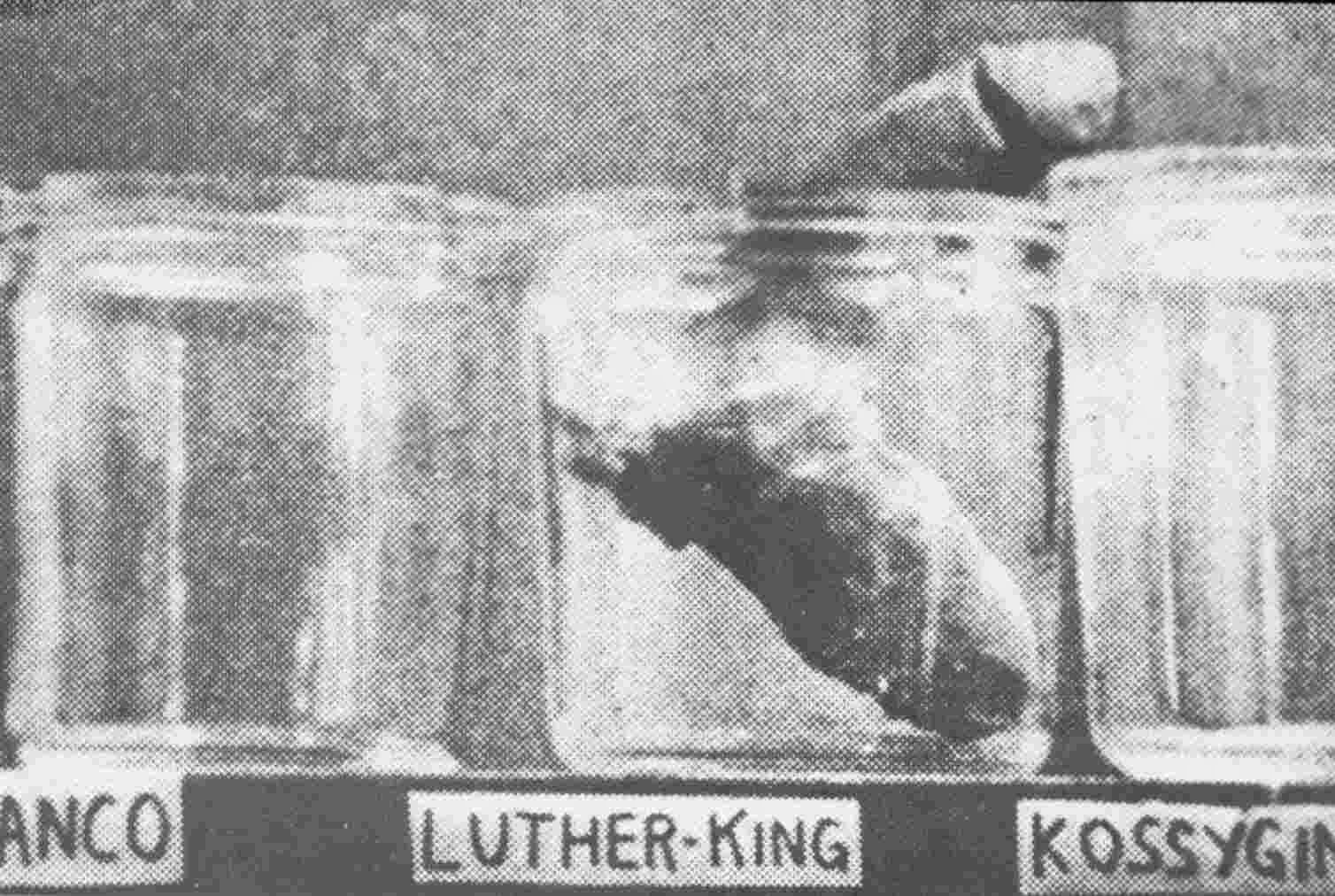
THE
BLOODTHIRSTY FAIRY
(Roland
Lethem, Belgium, 1968)
The
subversive always attempts to go a steo further even
than
his most ardent followers. Those who accept visual
portrayals of the penis, may well balk at
this particular
combination --
a sample of the private collection of an
anarchist
fairy who specializes in castration of leaders
of
all types. Questions of "limits", "good taste",
and even
"political
advisability" will suddenly arise -- merely
indicating that yet another taboo is
being uncovered.
___________________________________________________________________________________________
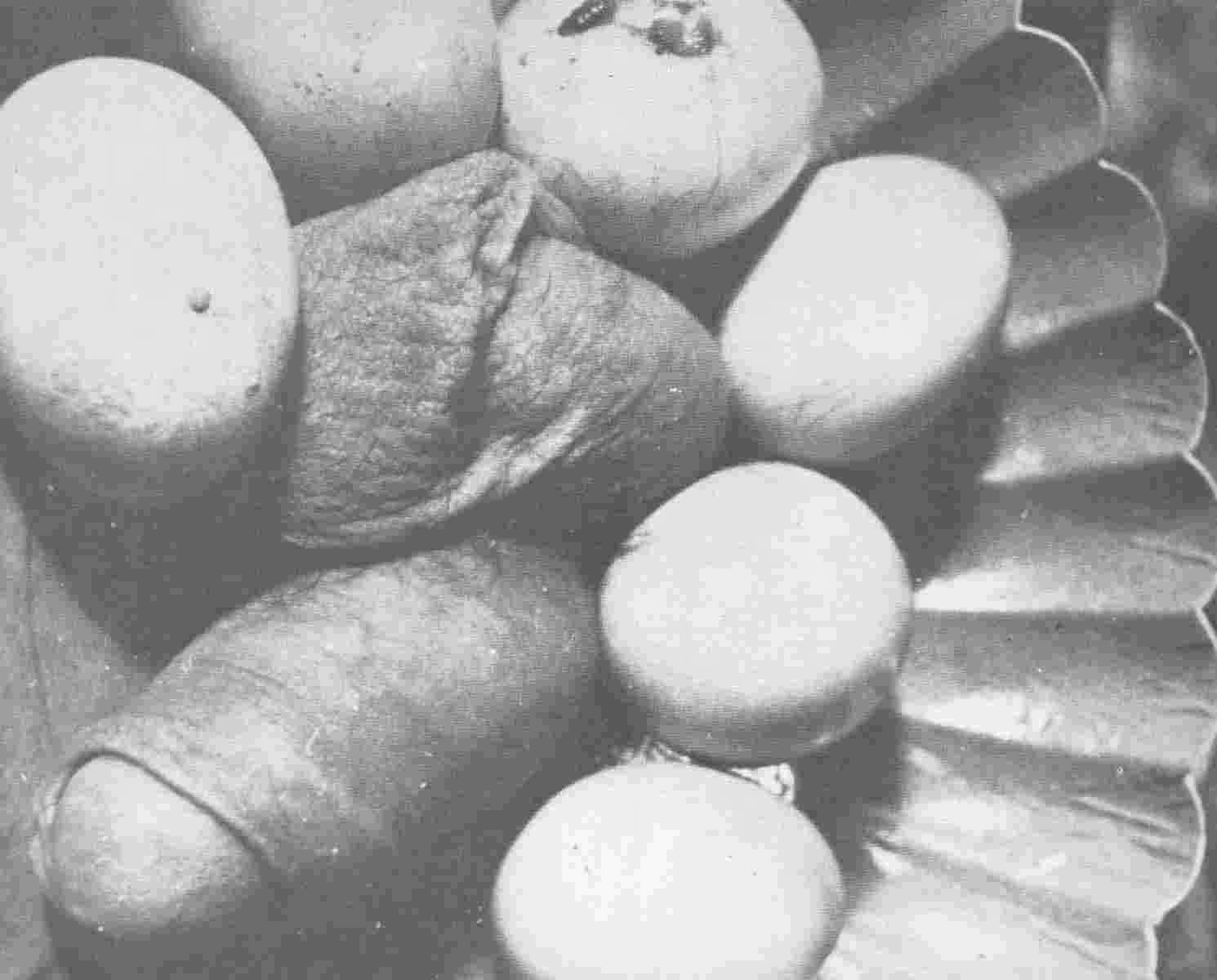
MAMA
AND PAPA
(MAMA
UND PAPA)
(Otto
Muehl, Austria, 1963/69)
The
unexpected combination of sexual taboo
and
food provokes both shock and laughter,
not
merely because of the visual pun but
because
organs are not often presented to us
in
"tasteful" display for purposes of eating. SC
___________________________________________________________________________________________
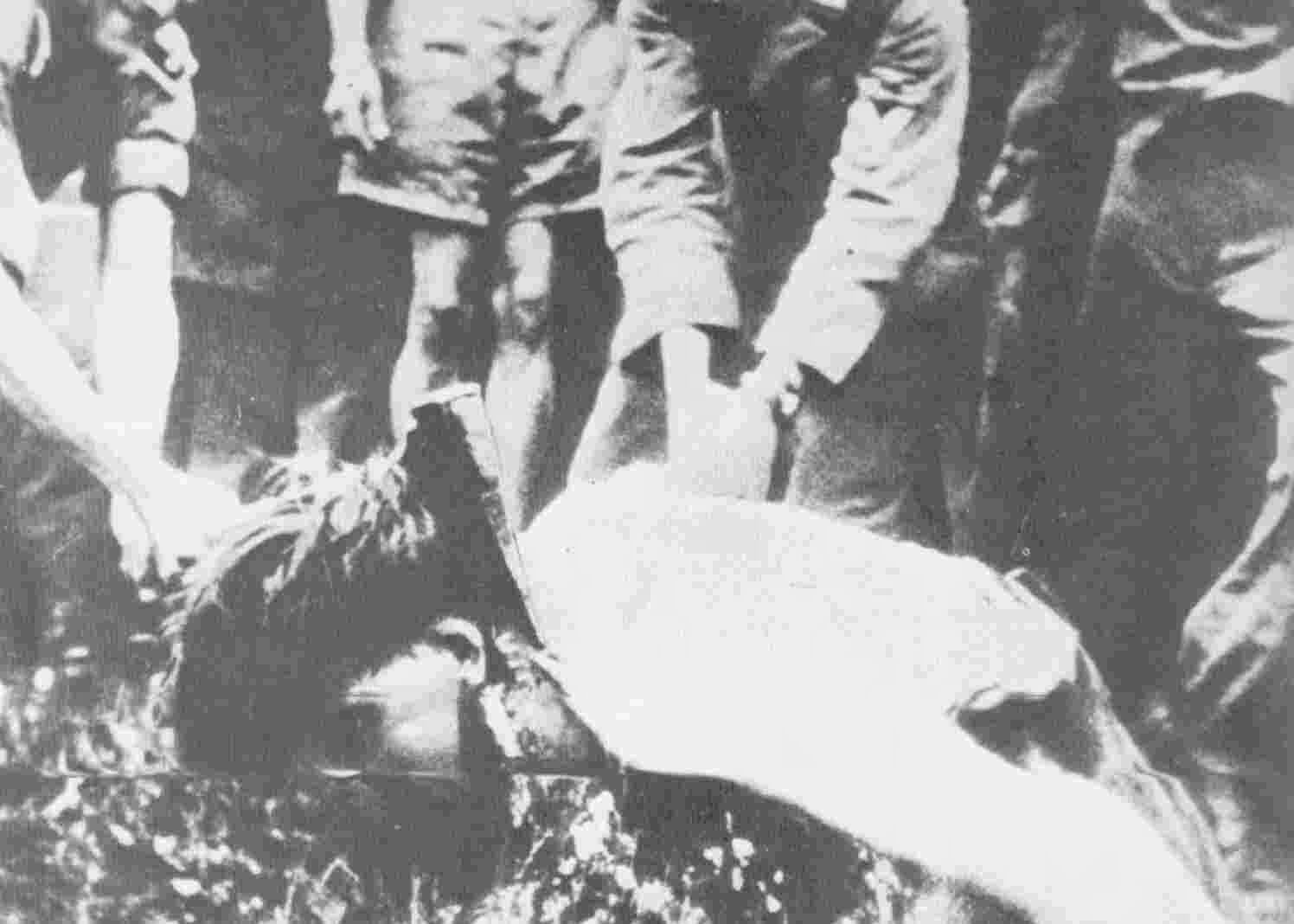
ORDINARY
FASCISM
(Mikhail
Romm, USSR, 1965)
A forever
unknown civilian in the East
about
to be axed by a German soldier.
The
portrayal of real death in so concrete
a
medium as cinema causes fright and
profound
introspection as we watch
the
true end of another human being.
___________________________________________________________________________________________
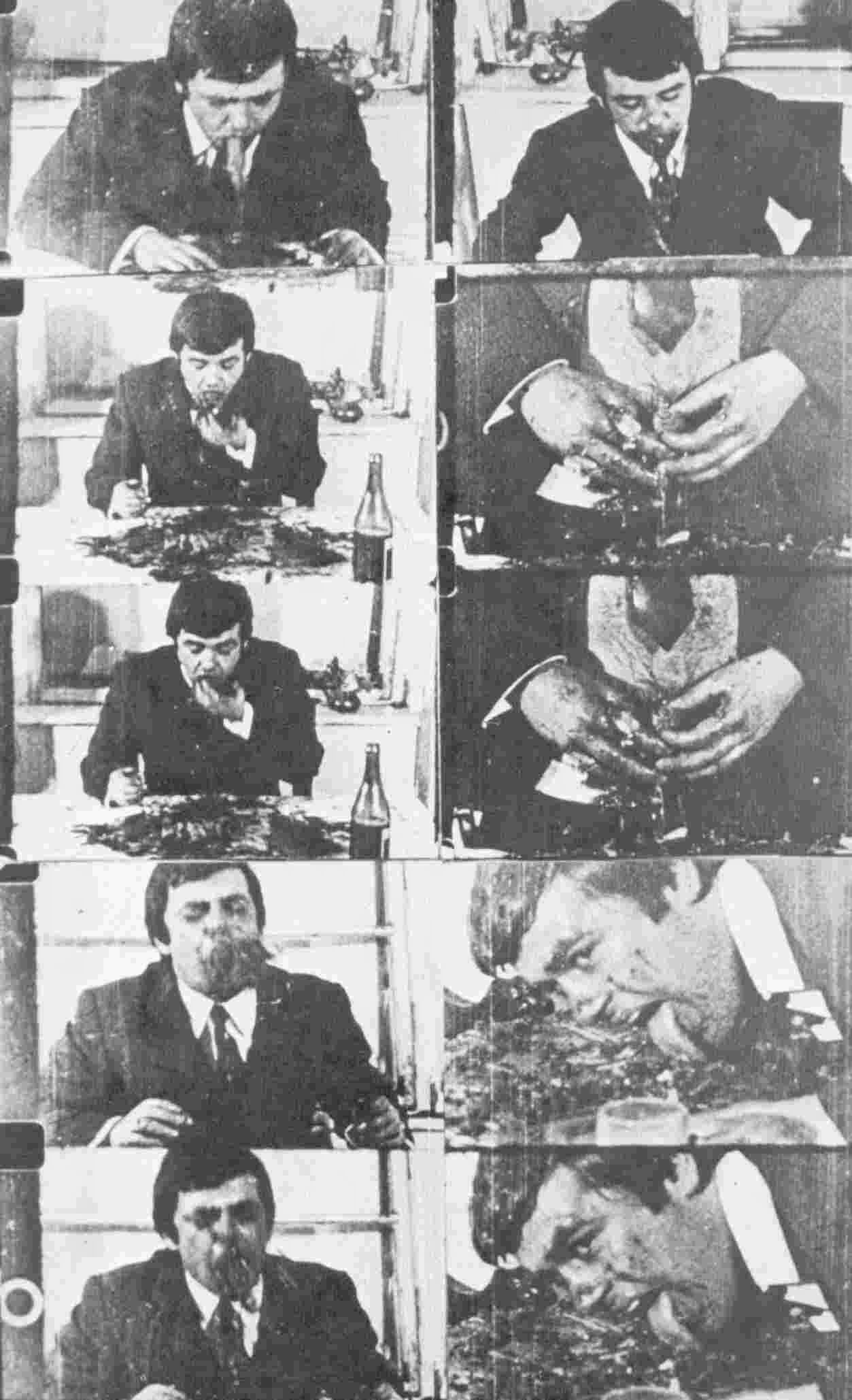
OTMAR
BAUER PRESENTS
(Otmar
Bauer, West Germany, 1970?)
The
act of vomiting. All bodily secretions (feces,
urine, sperm, and menstrual flow) are
considered
taboo in terms of
visual portrayal, because (pro-
testations
to the contrary) we remain chained to
notions
of the body's uncleanliness and animality.
The
more universal the event, the less viewable it is.
___________________________________________________________________________________________
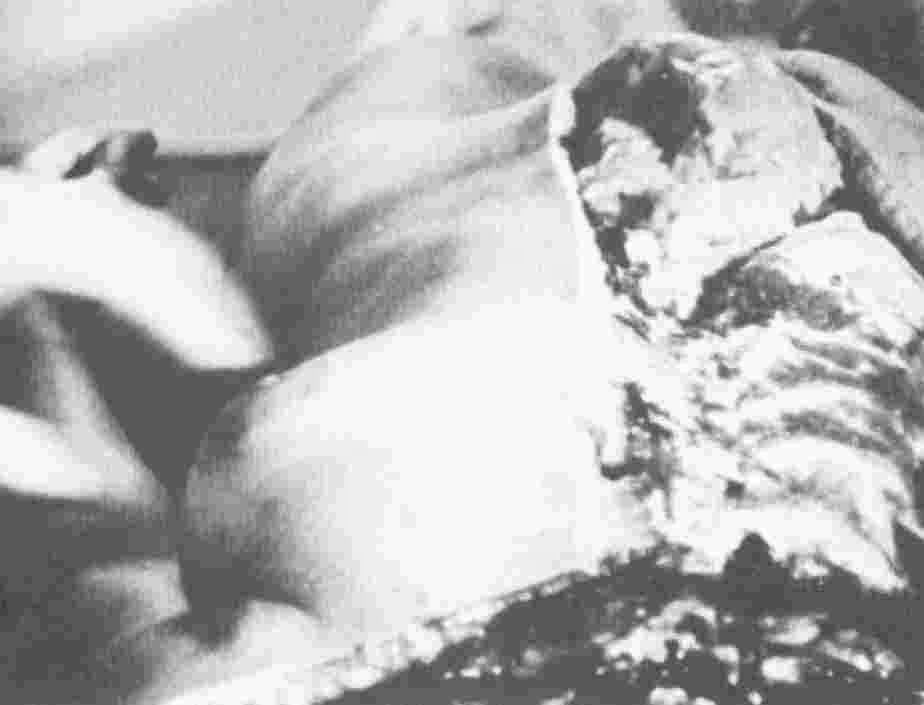
THE
ACT OF SEEING WITH ONE'S OWN EYES
(Stan Brakhage, USA, 1972)
The subconsciously hoped-for
inviolability
of bodily
surfaces -- the more so, perhaps,
if
female -- is brutally attacked by dissection. SC
___________________________________________________________________________________________
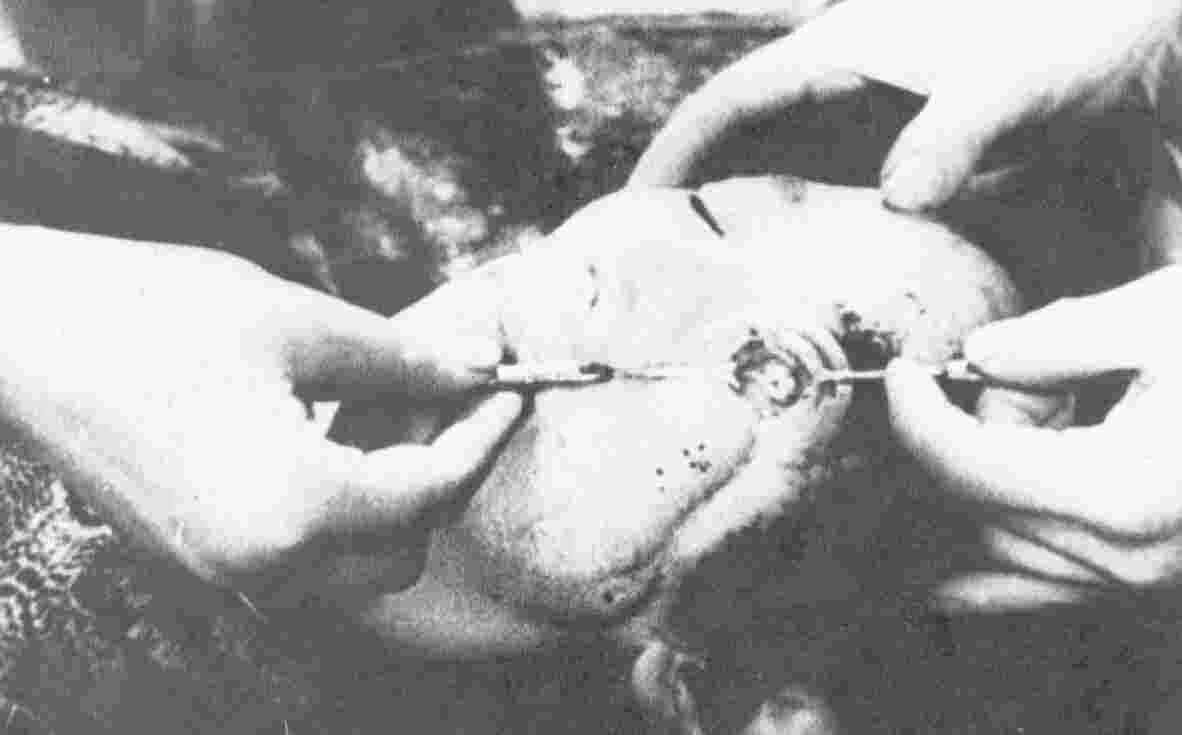
HIROSHIMA
(M. Ogasawara and Y. Matsukawa, Japan,
1970)
The eye of a Hiroshima
victim, forced open to reveal
the
damage. Man's psychological threshold is so low
that it has easier to perpetrate such
deeds than to
show them on a
screen. The American government
(aware
that it had done something it was best to hide)
helped
by banning all such footage until recently.
___________________________________________________________________________________________
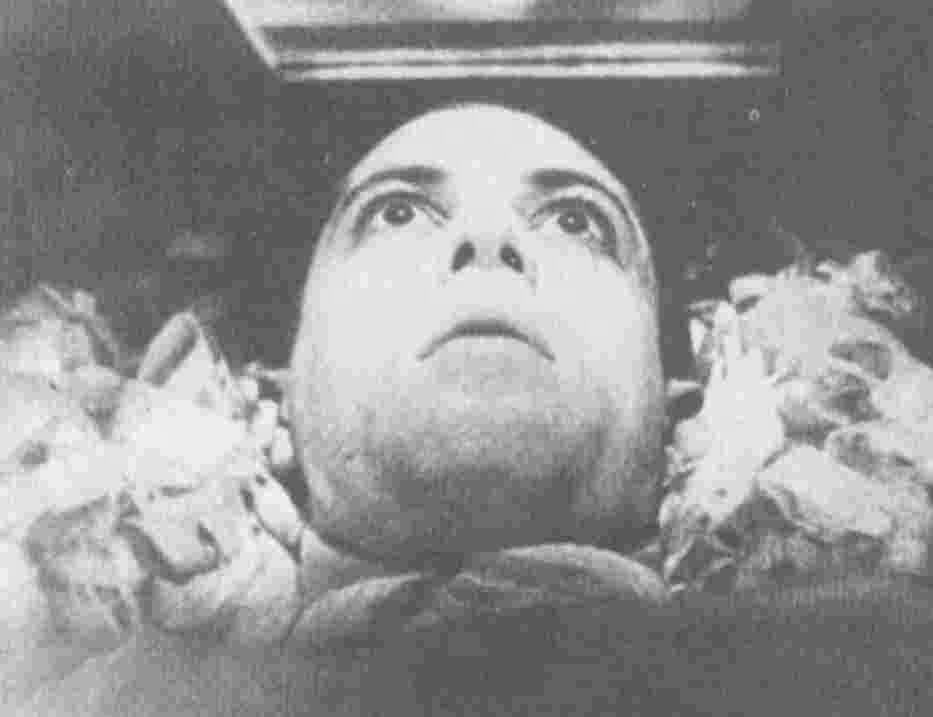
VAMPYR
(Carl Theodor Dreyer, Germany/France,
1931)
Possibly the most
extraordinary fictional portrayal
of
the experience of death occurs in this hallucina-
tory
film. The hero (dead, but with eyes wide open)
finds himself in his coffin; through a
window cut in
the lid, he --
and we -- see above us the vampire and
her
evil helper (screwing the coffin closed) and then
sky,
trees, and buildings on the way to his (our) burial. SC
___________________________________________________________________________________________
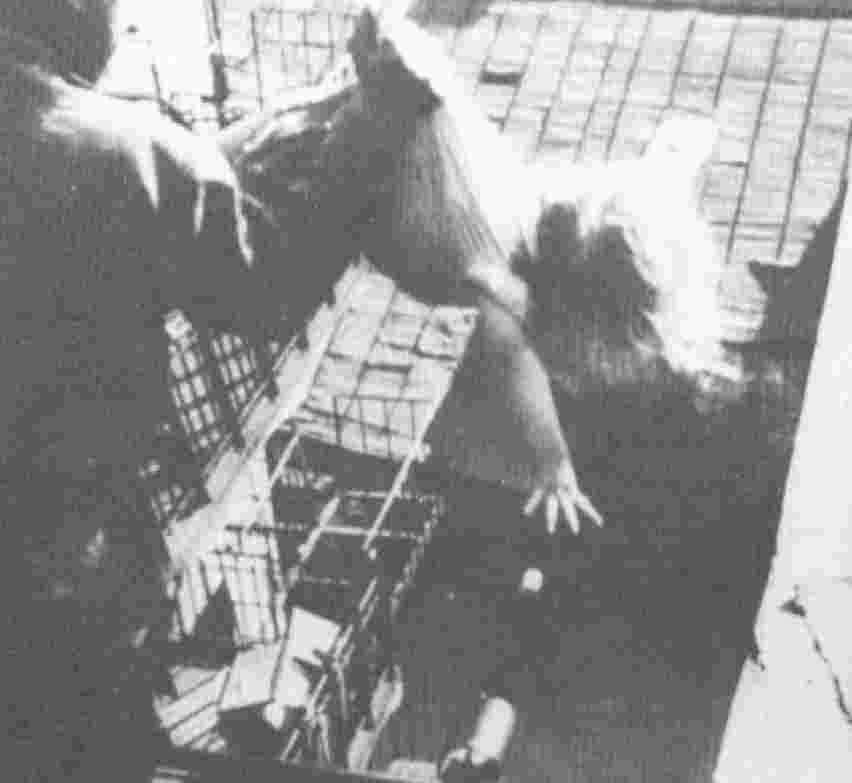
STRIKE
(Sergei Eisenstein, USSR, 1924)
The fear of being thrown:
Eisenstein's shot centers on an
arm
an a hand, recognized as those of a child at the precise
instant at which it also dawns upon the
harrowed viewer
that the child
may be thrown to its death. Within the same
second,
this is what happens. The violation of a visual
taboo (by the Tsarist militia) serves
political purposes.
___________________________________________________________________________________________
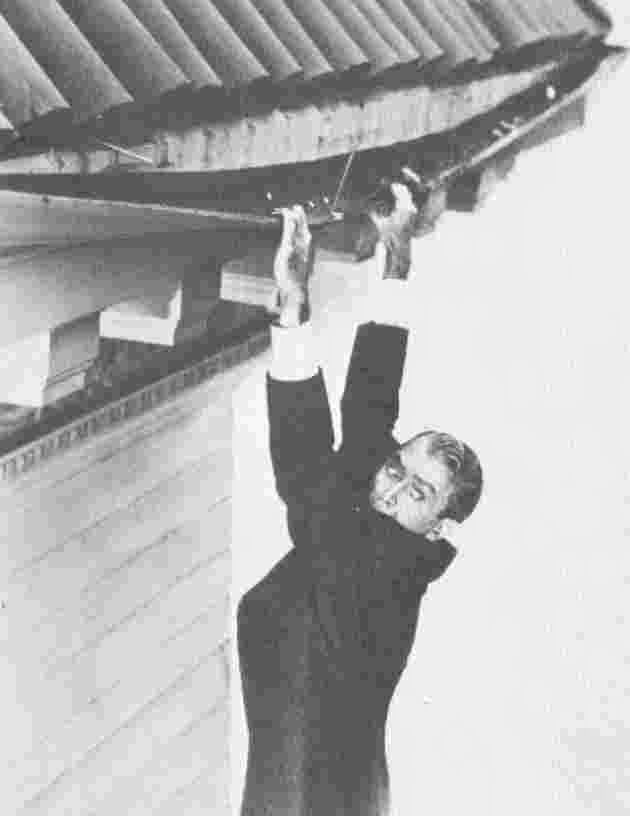
VERTIGO
(Alfred Hitchcock, USA, 1958)
The fear of falling: a moment of
atavistic, deathly fright,
as
the hero, his support weakening, may lose his grip.
Our
unease -- even when we know it is make-believe --
centers
on the man's eyes staring at death; the entire
film
pivots on this universal, primitive anxiety.
___________________________________________________________________________________________
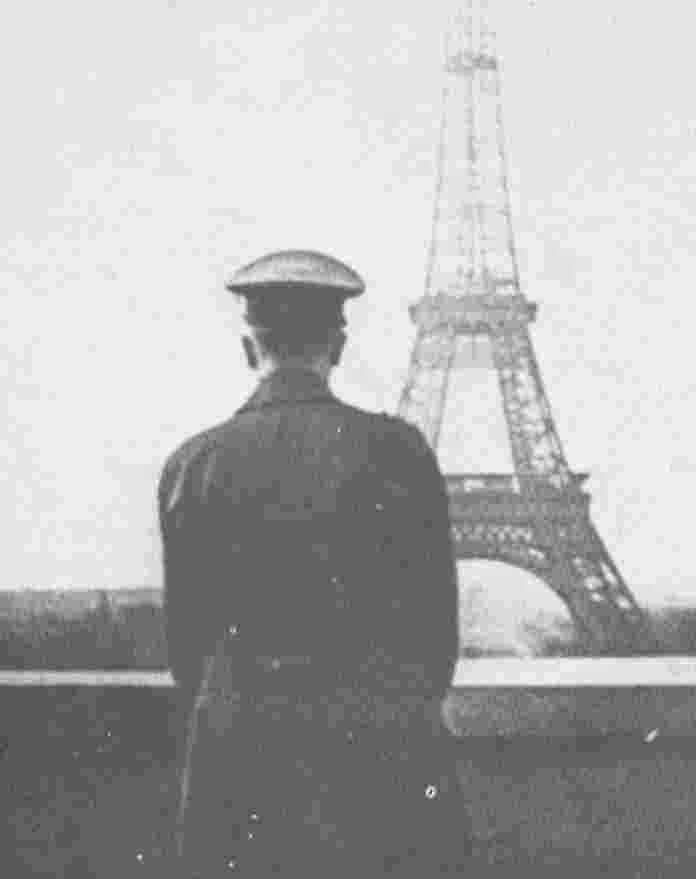
UFA
NEWSREEL
(Germany,
1940)
Hitler entering Paris in
1939. This "forbidden" image caused
profound shock when first released. The
unexpected and
ominous
juxtaposition of the two clashing symbols confirmed
the
incursion of barbarism into the heartland of Western
civilization. Today it hints at the
relativity of the visual taboo
(a
new generation can no longer "read" Hitler solely from
his back) and at the solidity of
structures as against men.