FILM
- AS A -
SUBVERSIVE ART
WITCHCRAFT
THROUGH THE AGES
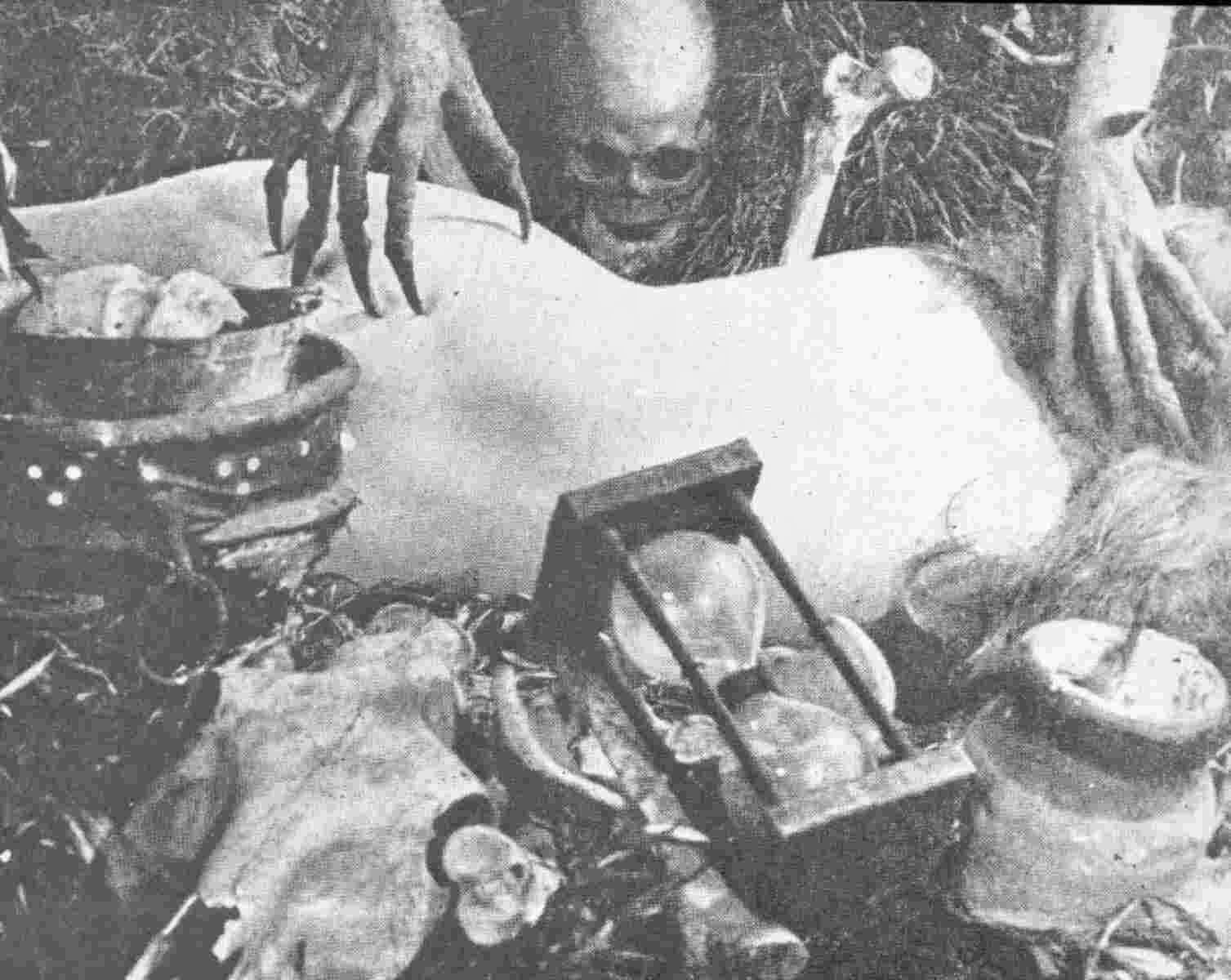
(Benjamin Christensen, Sweden, 1922)
(F)
This exotic curio is cited
in all major histories of the
cinema;
banned and unavailable until recently, it
examines
witchcraft, magic and diabolism, recreates
the
witch courts, the devil's mass, the hallucinations
and
temptations of the age. The implied ritualistic
violation of a woman are among its many
disturbances. SC
TRANCE AND WITCHCRAFT
FILMS
___________________________________________________________________________________________
IMAGES
OF MADNESS
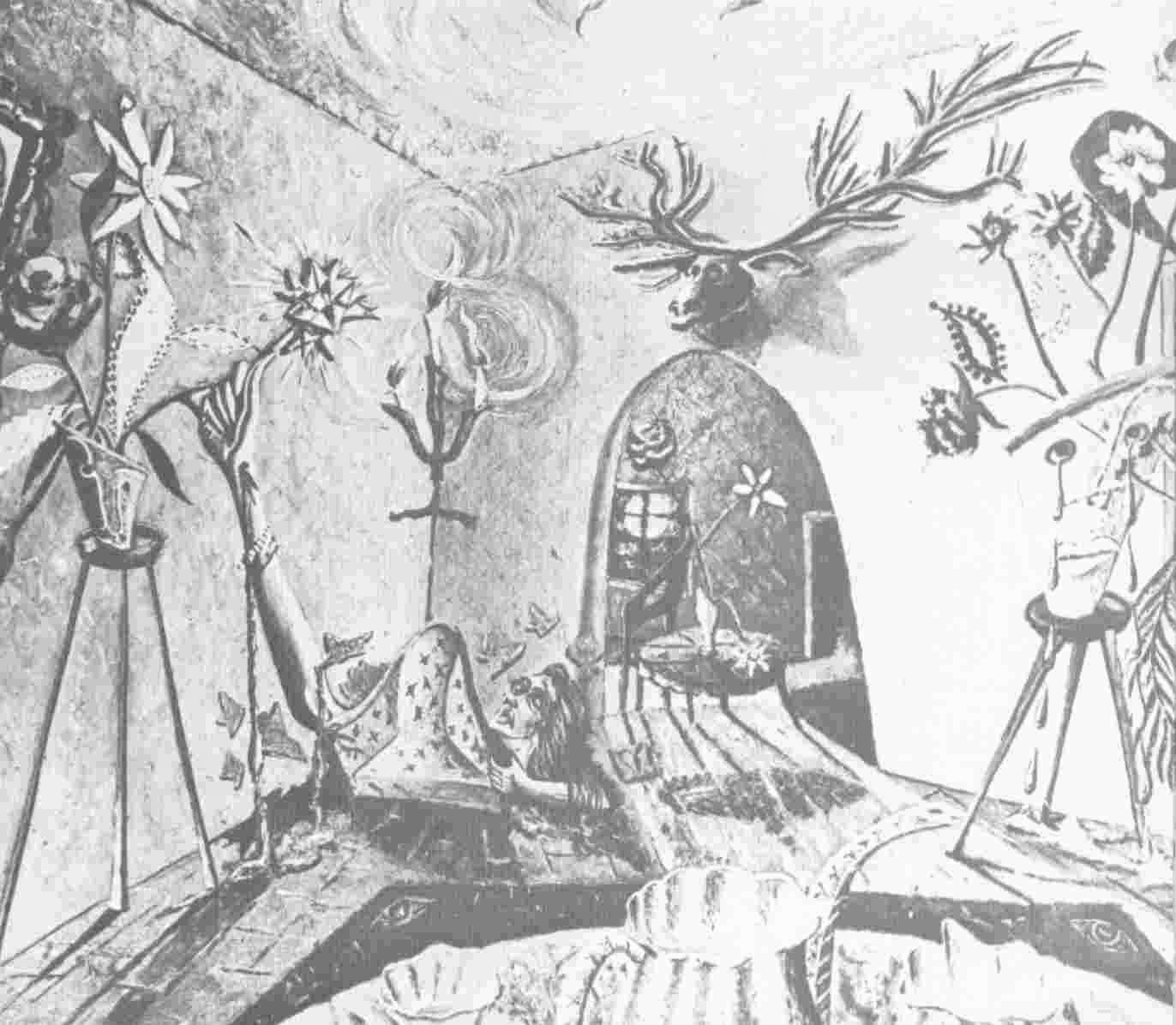
(Eric
Duvivier, France, 1950) (F)
Converging
and opposing lines, shades of Dali
and
Van Gogh combine in a flamboyant,
nightmarish
painting by a mental patient.
From
an unprecedented film document
which,
in drawings and paintings, takes
the
viewer through the universe of the men-
tally
ill without explanation or analysis.
___________________________________________________________________________________________
THE
ANDROMEDA STRAIN
(Robert Wise, USA, 1971) (F)
The power of a visual taboo is shockingly
proven
in one scene of this
film, when the wrist of a corpse --
killed
by extraterrestrial contamination -- is cut open
by
earth people, and sand gushes out instead of blood.
This
substitution is not merely bizarre, but positively
threatening to an audience entirely
engrossed in the
plot.
The power of the "contamination" is, for once,
not conveyed by horrific make-up, but the
diabolic
utilization of a
visual taboo touching us on a deeper level
and
calling into question the corpse's very humanity. SC
___________________________________________________________________________________________
DAY
OF WRATH
(VREDENS
DAG)
(Carl
Theodor Dreyer, Denmark, 1943) (F)
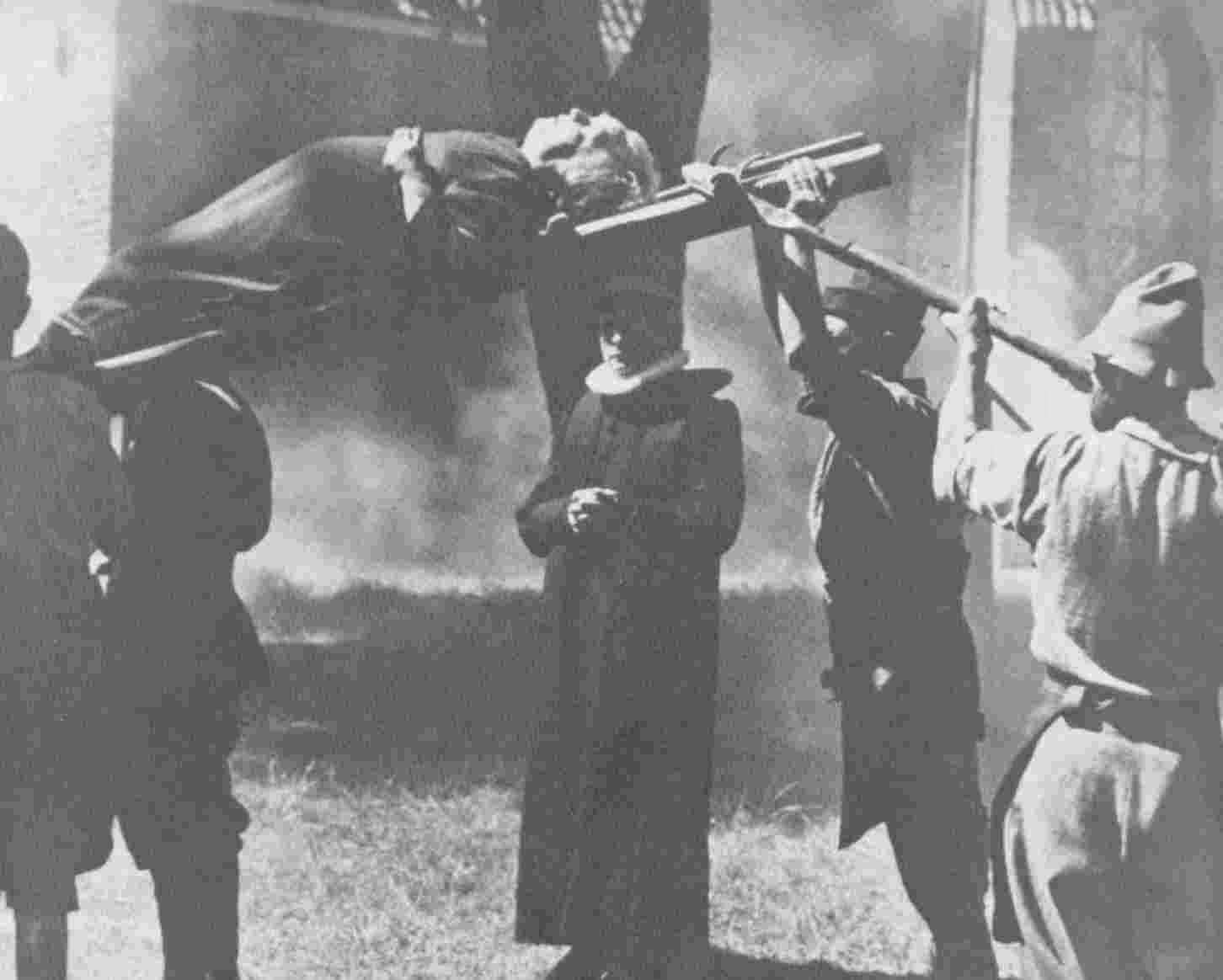
The
"witch" has confessed and will be burned; here she is
raised
into the fire as the
Establishment watches impassively. The power-
fully
controlled composition -- opposing diagonals, vertical tree
in the background, placing of individual
figures, ominous dust
(or
smoke) -- is photographed in long shot; though this "objec-
tifies", the action
involves us deeply. Only a master would have
chosen
this particular moment for humanist comments. SC
______________________________________________
The
masterpiece of a genius of cinema. A story of passion and
jealousy under the shadow of 17th-century
religious fanaticism
and
superstition, it represents nothing less than an attempt to
subvert the subconscious of the viewer by
a profound psychological
penetration
of the medieval value system, its dogmatism, repressed
sexuality, and belief in witchcraft and
sin. Its deeper subversion
resides
in its lingering implication that the real witches were not
the poor souls who were burned but the
upright, lifeless, dogmatic
"good
citizens", and that, once the system of values had been fully
internalized by all, even the innocent,
having been denounced as
witches,
came to believe the charges themselves, as under Stalin.
Stylistically, the use of extended
silences and ambiguity, the portray-
al
of states of being, and the poetic inflection of the whole presage
the
modern cinema and set it a
standard of excellence seldom surpassed.
___________________________________________________________________________________________
NOSFERATU
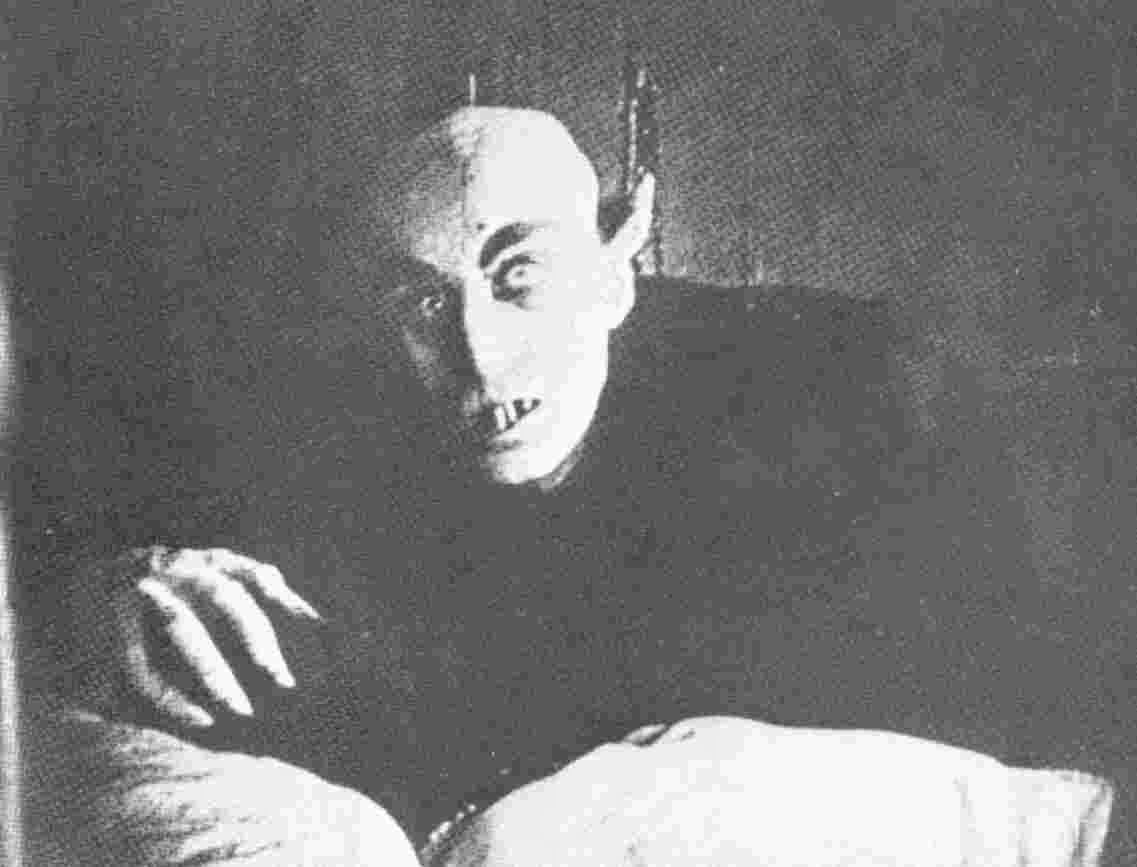
(F.W. Murnau, Germany, 1922) (F)
The misshapen ears and skull, the staring
eyes and
protruding teeth, the
chalk-white face, the claw-like
fingers,
and open, greedy mouth: no matter how
hard
we try, we cannot remain unaffected. Murnau's
masterpiece uses terror-filled images,
angles,
and symbols to
heighten psychological tension. SC
___________________________________________________________________________________________
THE
BIG SHAVE
(Martin
Scorsese, USA, 1967)
To the
lifting accompaniment of a popular song of the 30s, this
"brief American nightmare"
shows a young man shaving himself
ever
more diligently but carelessly, until, among nicks and cuts
and increasing blood, he finally
cuts his throat and expires in a
room
full of blood. A not-so-secret attack on bourgeois normality.
SC
___________________________________________________________________________________________
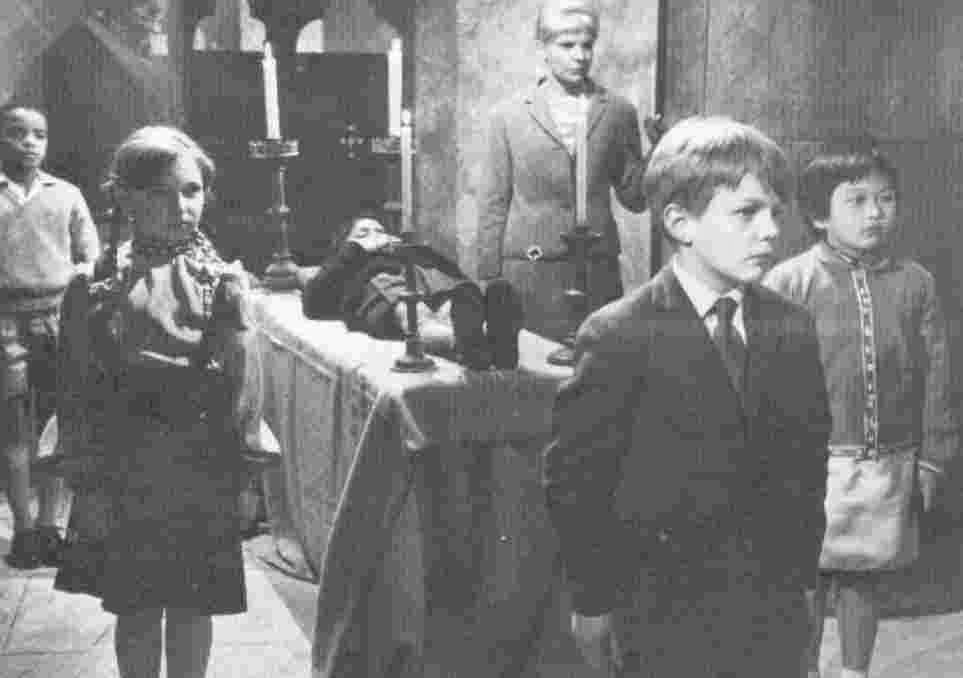
VILLAGE
OF THE DAMNED
(Wolf
Rilla, Great Britain, 1960)
A
popular, forever terrifying device of fiction: evil
where
we expect innocence. In this significant
horror film, a mysterious force
paralyses an
entire village
and then impregnates its women
who
then bring forth emotionless monsters.
___________________________________________________________________________________________
BITTER
GRAPES
(Richard
Bartlett, USA, 1968)
This
black comedy contains cinema's most completely
disgusting
food orgy, as a man (assisted by a fake nun)
gorges
himself into a semi-comatose state, vomits whatever
he
eats, and finally collapses into his excretions in a clean-
sing of body and soul. An extreme,
fully accomplished work.
___________________________________________________________________________________________
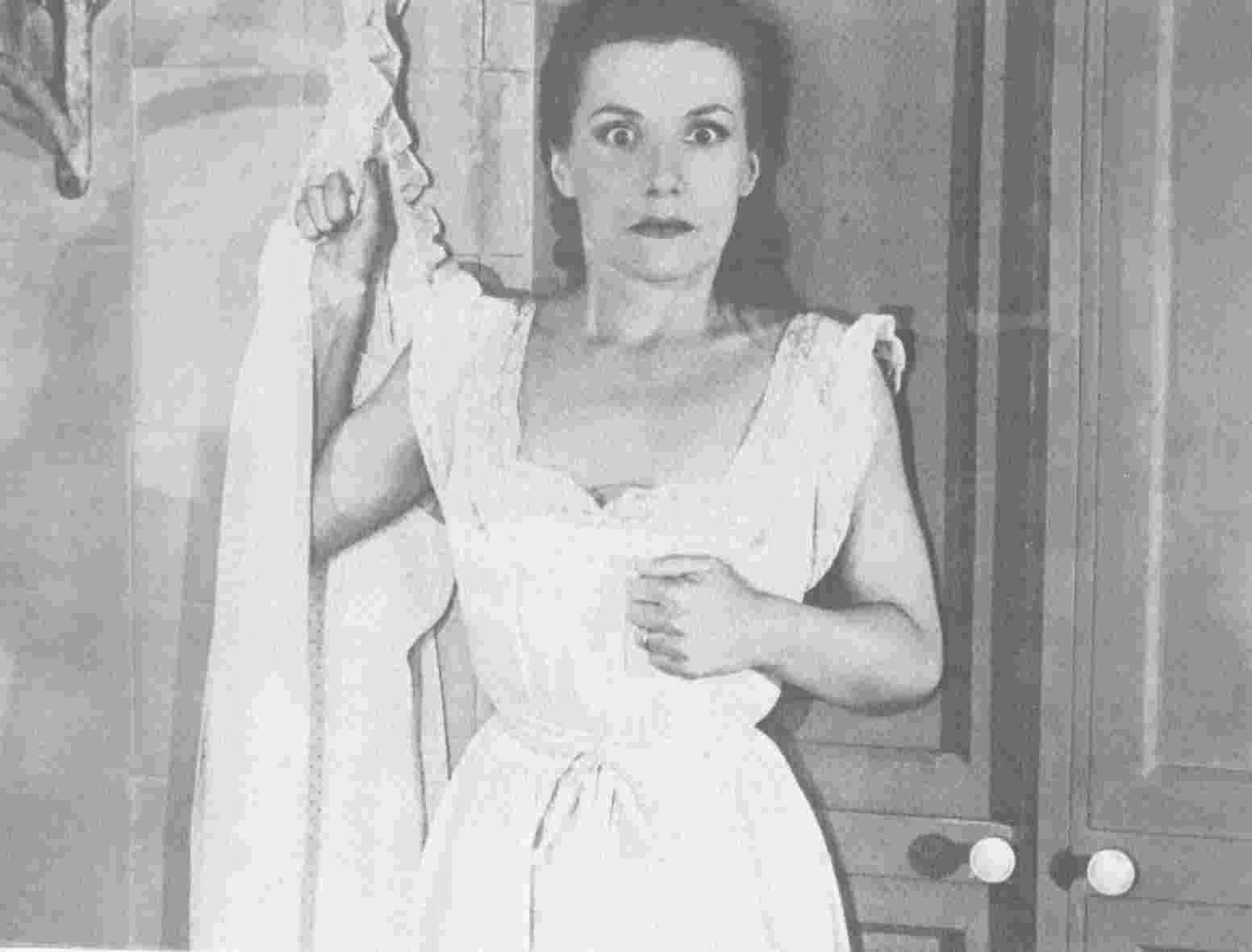
DIABOLIQUE
(Henri Georges Clouziot, France, 1955)
(F)
How simple it is to scare
us! "All" one has to do, it seems, is to have the
heroine open her eyes wide as if in
fright. In one of the most horrifying
films
ever made, the terror-stricken murderess discovers that there
is no turning back in her search to
discover if the husband she has
murdered
can possibly be alive. The entire composition centers
on her terrified eyes, and is reinforced
by her placing against the
verticals
of the doorframe and the position of her arms and hands.
___________________________________________________________________________________________
THE
FIRE WALKERS
(ANASTENARIA)
(Roussos Condouros, Greece, 1961)
This widely acclaimed ethnological film
records a
traditional Greek
rite which, now Christianized, goes
back
to the ancient Orphic Mysteries of Thrace: walking
barefoot on burning charcoal without pain
or burning.
"One
of the rare, perfectly authentic film records of
possession; nothing was simulated; of
inestimable
value in the
history of religions" (UNESCO)
As we
"actually" see participants go through the
rites of preparation, and then walk
leisurely over
the hot coals,
we react in wonder and confusion.
___________________________________________________________________________________________
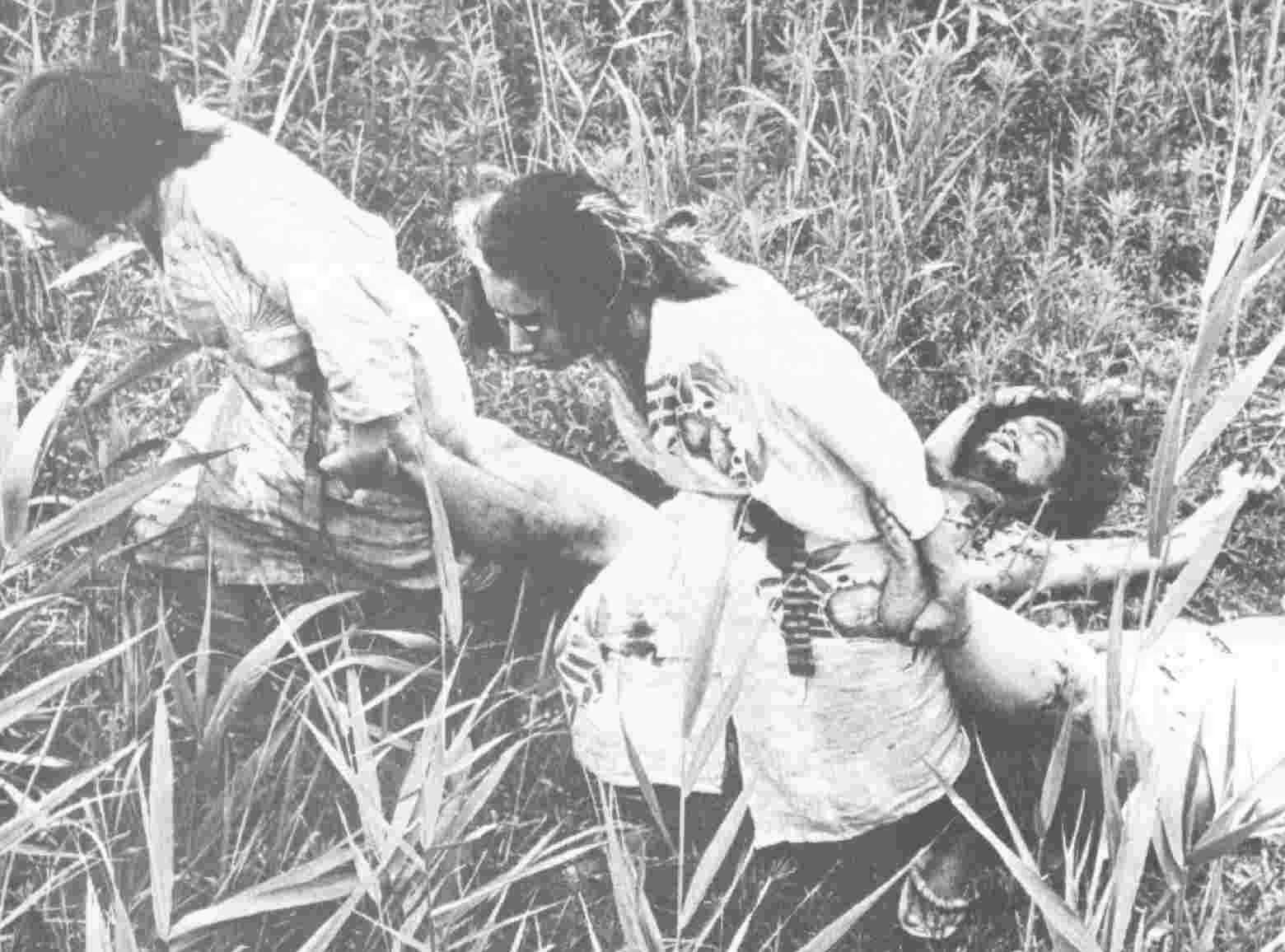
ONIBABA
(Kaneto Shindo, Japan, 1964) (F)
In a time of war and revolution, two
starving women live by
murdering
and robbing deserting soldiers. There is a horrifying
scene involving a corpses' mask which,
worn by the robber, cannot
be
removed; a hammer is necessary. A very potent blend of meta-
physical horror and outspoken sex
pervades this bizarre work.
___________________________________________________________________________________________
GOOD
MORNING
(OHAYO)
(Yasujiro Oza, Japan, 1960) (F)
It is surprising to connect the
apparently gentle, paci-
fic
Ozu with the breaking of a taboo. However, in this,
(his 49th film!), a quiet satire on
Japanese suburbia and
Westernization,
there is a plot element unthinkable in
Western
cinema until Ferrari's 1973 La Grand Bouffe:
an
elaborate, noisy running gag -- encouraged by the
eating
of pumice stones -- involving a children's game
of
farting throughout the film. It is liberating to laugh
repeatedly at this gag and, in fact, to
look forward to it.
___________________________________________________________________________________________
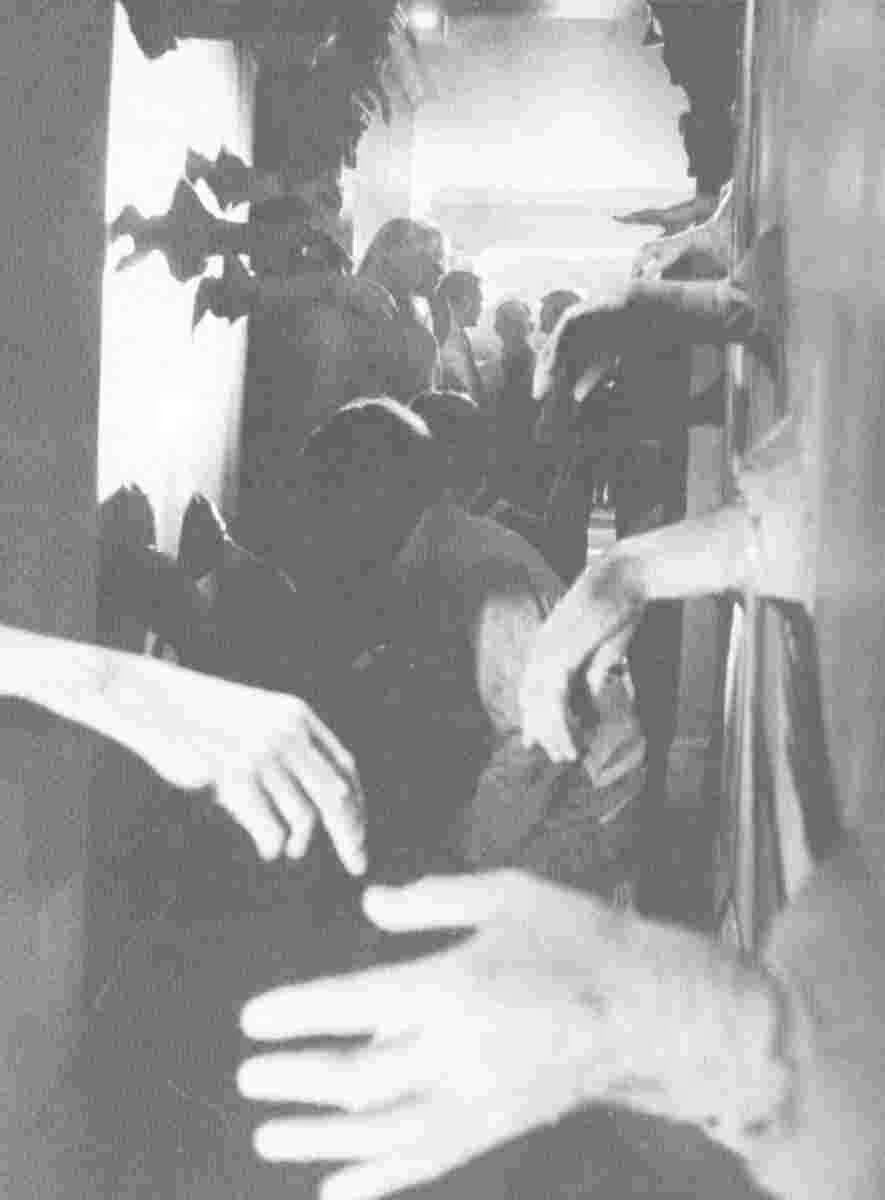
REPULSION
(Roman Polanski, Great Britain, 1965)
(F)
As one watches this
exercise in sexual psychosis, one
begins
to dread its progress. For Polanski plays on
emotions too deep to sustain comfortably;
a heroine
who carries a
decaying animal carcass in her bag, vomits
when
smelling her underwear, and is attacked by hands
emerging from the walls (here seen in a
production
still).
Ultimately, to defend herself, she must murder. SC
___________________________________________________________________________________________
HERE
COMES EVERY BODY
(John
Whitmore, USA, 1972) (F)
A
series of moving and revealing episodes from
Dr.
William Schutz's ("Joy") famed encounter
sessions at California's Esalen
Institute. As the
participants,
clothed or not, act out their fears
and
aggressions, a tiny portion of "the mystery" is
temporarily revealed to us amidst the
most copious
flood of tears
ever seen in a single film; how much
sadness
and need for warmth there is in us, and
how
assiduously filmmakers usually avoid real
tears,
an unacknowledged taboo of cinema.
___________________________________________________________________________________________
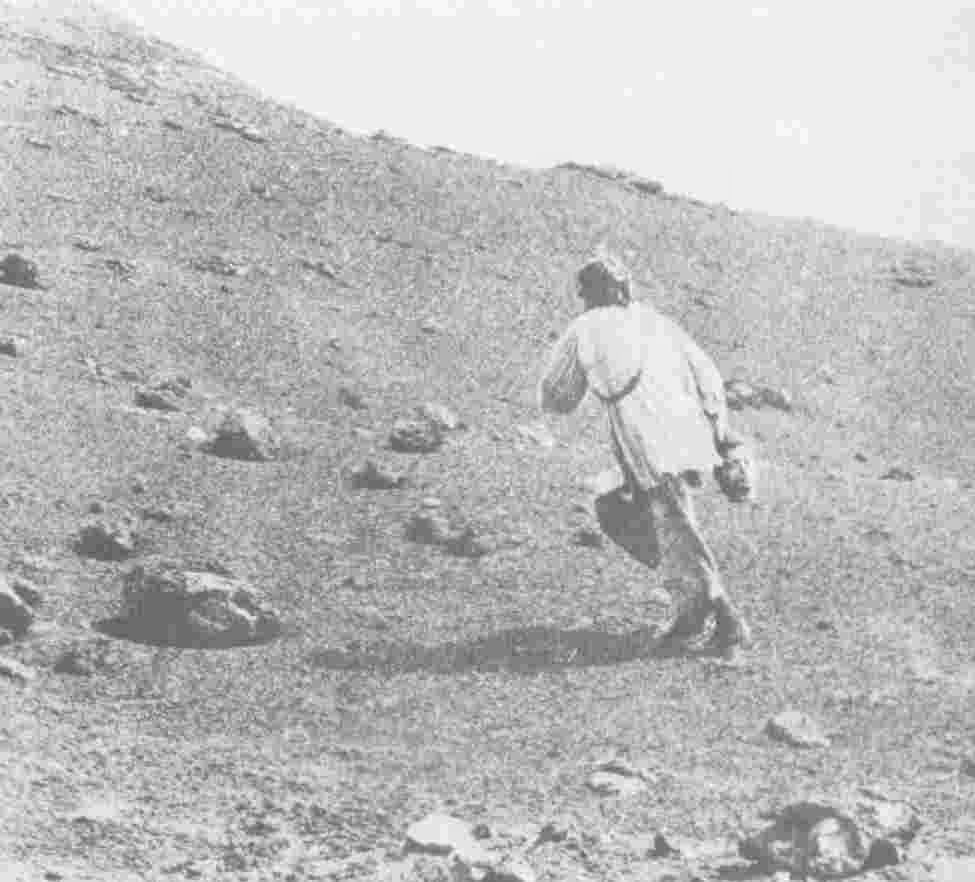
PIGPEN
(Pier Paolo Pasolini, France/Italy, 1969)
In an ambiguous, medieval desert, a man
crazed by hunger
turns to
cannibalism, as do others. A severed head is a
profoundly forbidden image in cinema, the
more so in this
context.
The man and his victim are already entering
the
grainy texture of the all-devouring landscape. SC
___________________________________________________________________________________________
THE
HOUSE IS BLACK
(Foroogh
Farrokhzad, Iran, 1963)
Another
taboo subject enters the cinema with this
poetic
and bitter glance at lepers, living in enforced
idleness
and imprisonment in a leprosarium. The
commentary
consists of montage of Old Testament
texts
and a detached, medical explanation. The film
was
directed by Iran's foremost modern woman poet
who
lived with the lepers for a month to create this
terrifying, deeply humanist statement.
The stream
of mutilations of
the human body -- and our frightened
response,
which may be more self-identification than
empathy
-- makes us repeatedly avert our glance
from
what we know exists but cannot face.
___________________________________________________________________________________________
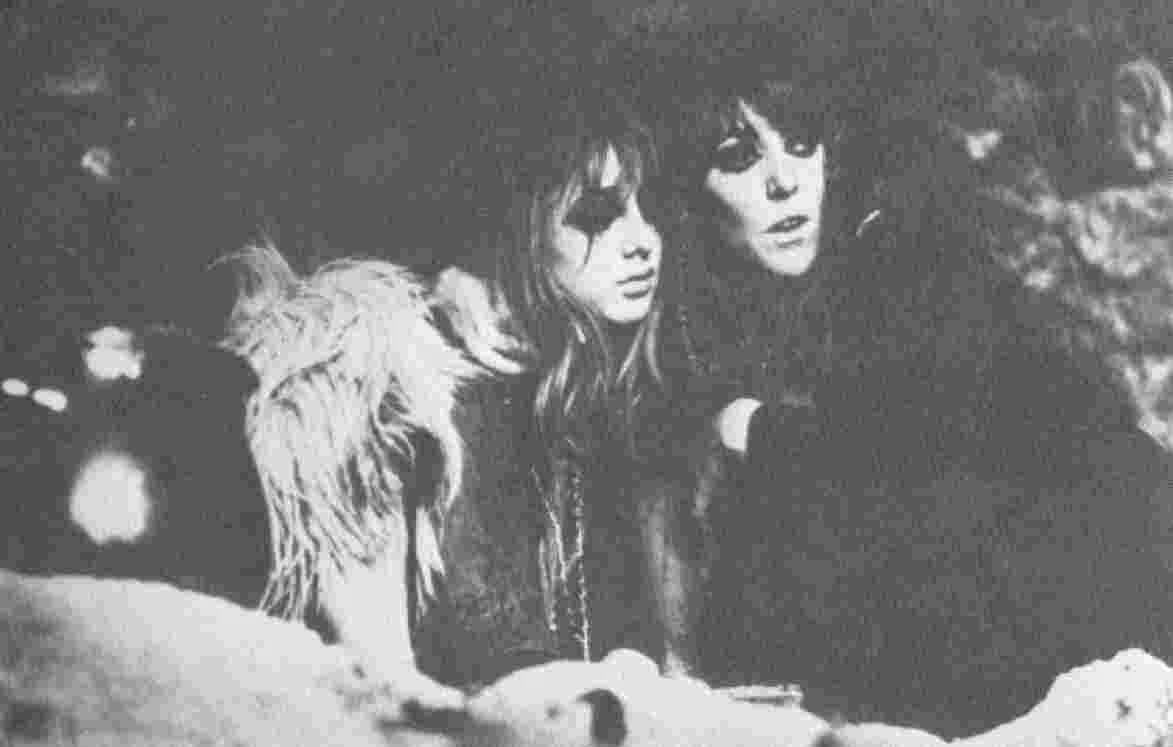
VALI
(Sheldon and Diane Rachlin, USA, 1965)
A modern witch in her lair. This
entire bizarre work is
"carried"
by the charismatic presence of its star, who lives
in
Italy as a recluse with a donkey, a fox, five dogs, and
a husband, engages in incantations,
and tattoos herself
and
others. A romantic attempt at reaffirming a lifestyle
of freedom and self-realization in an
insane world.
___________________________________________________________________________________________
INAUGURATION
OF THE PLEASURE DOME
(Kenneth Anger, USA, 1957)
This film is a study in black magic, a
startling and macabre
evocation
of an occult ritual; the convocation of the
Theurgists
and Enchantresses; the Feeding of the Idol,
the
Incantations, the Ceremonies of Consummation. A
luxuriant, baroque oddity in the
tradition of decadent art,
this
wicked film is a tribute to Aleister Crowley, self-styled
Master Magickian of the 20s, lovingly
performed by his
latter-day
American disciples. Anger's elegant, luxuriantly
seditious imagery and exotic imagination
stamp this as
a brilliant work
of black art, confirming the filmmaker
as
one of the true subversive iconoclasts of the cinema. SC
___________________________________________________________________________________________
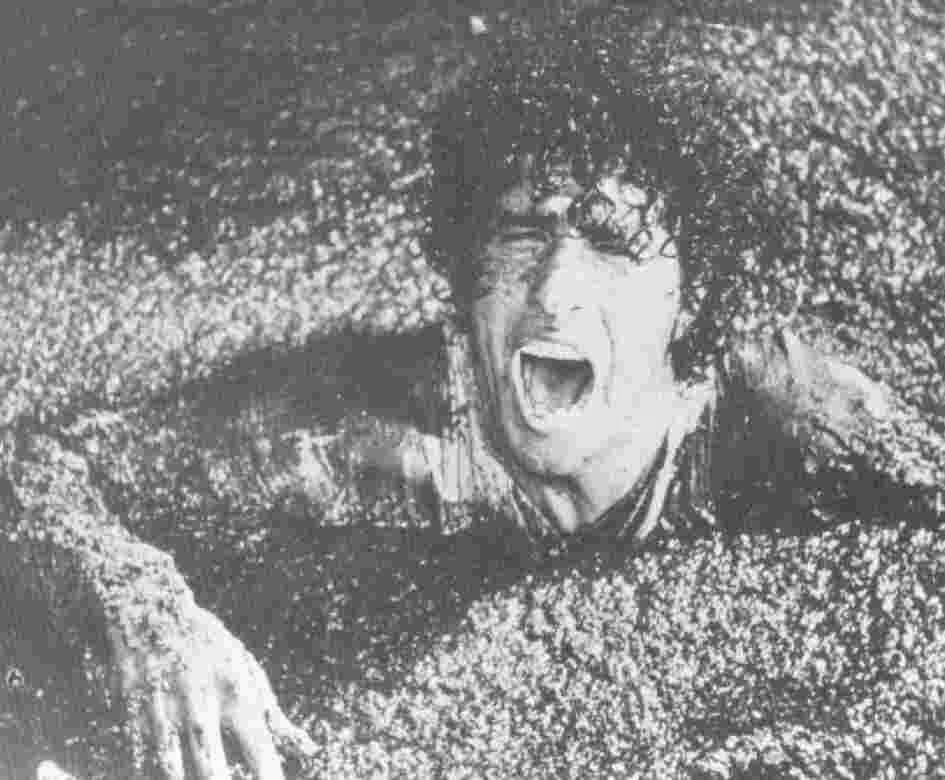
THE
DECAMERON
(Pier
Paolo Pasolini, Italy/France/West Germany, 1970)
In
the commercial cinema, we are never even exposed
to
hints of human excrement; here, the hero is inundated
by
it. In search of an erotic adventure -- the story is taken
from Boccaccio -- he has been cruelly
sent into a trap. SC
___________________________________________________________________________________________
LOOK
AT LIFE
(Nicholas
Gosling, Great Britain, 1969)
"An
insight into matters and events often taken
for
granted" -- and never seen in the cinema;
the
protagonists of this wild, surreal work vomit
repeatedly
and actually while being photographed.
Even
the beautiful main titles are accompanied
by
the sounds appropriate to the subject.
___________________________________________________________________________________________
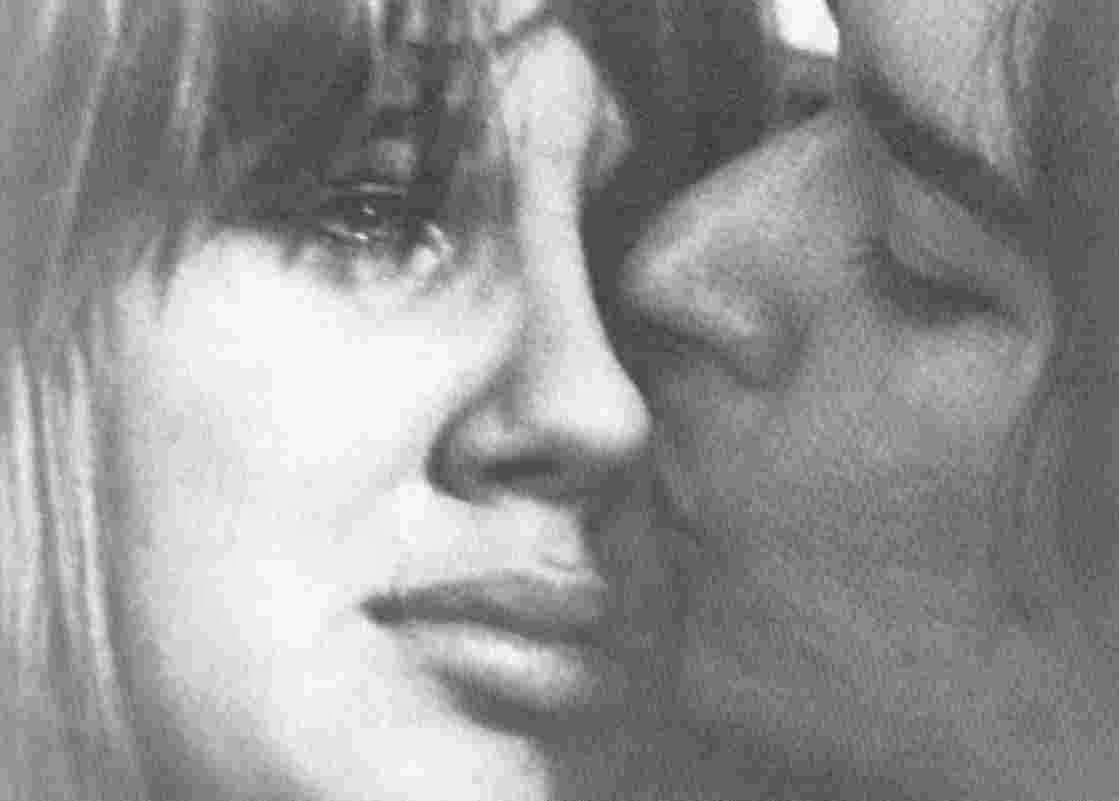
WARRENDALE
(Allan King, Canada, 1966) (F)
A scene from one of the most appalling
films ever made,
photographed
entirely in a home for emotionally disturbed
adolescents. This scene portrays
one of the taboos of
cinema --
real (not fictional) tears. Both BBC and Canadian
television refused to show the film as
"too harrowing". SC
___________________________________________________________________________________________
LE
SANG
(BLOOD)
(Jean-Daniel Pollet, France, 1971)
(F)
An apocalyptic vision of
man after a cosmic catastrophe,
this
film is a terrifying metaphor of a dehumanized
future.
The Brazilian Cinema Novo, German expression-
ism
of the 20s, and the ideologically motivated "cruelty"
of a Bunuel come together in this
ferocious work of a
French
theatre collective -- an ambitious, almost comple-
tely
successful example of visual cinema at its best.
___________________________________________________________________________________________
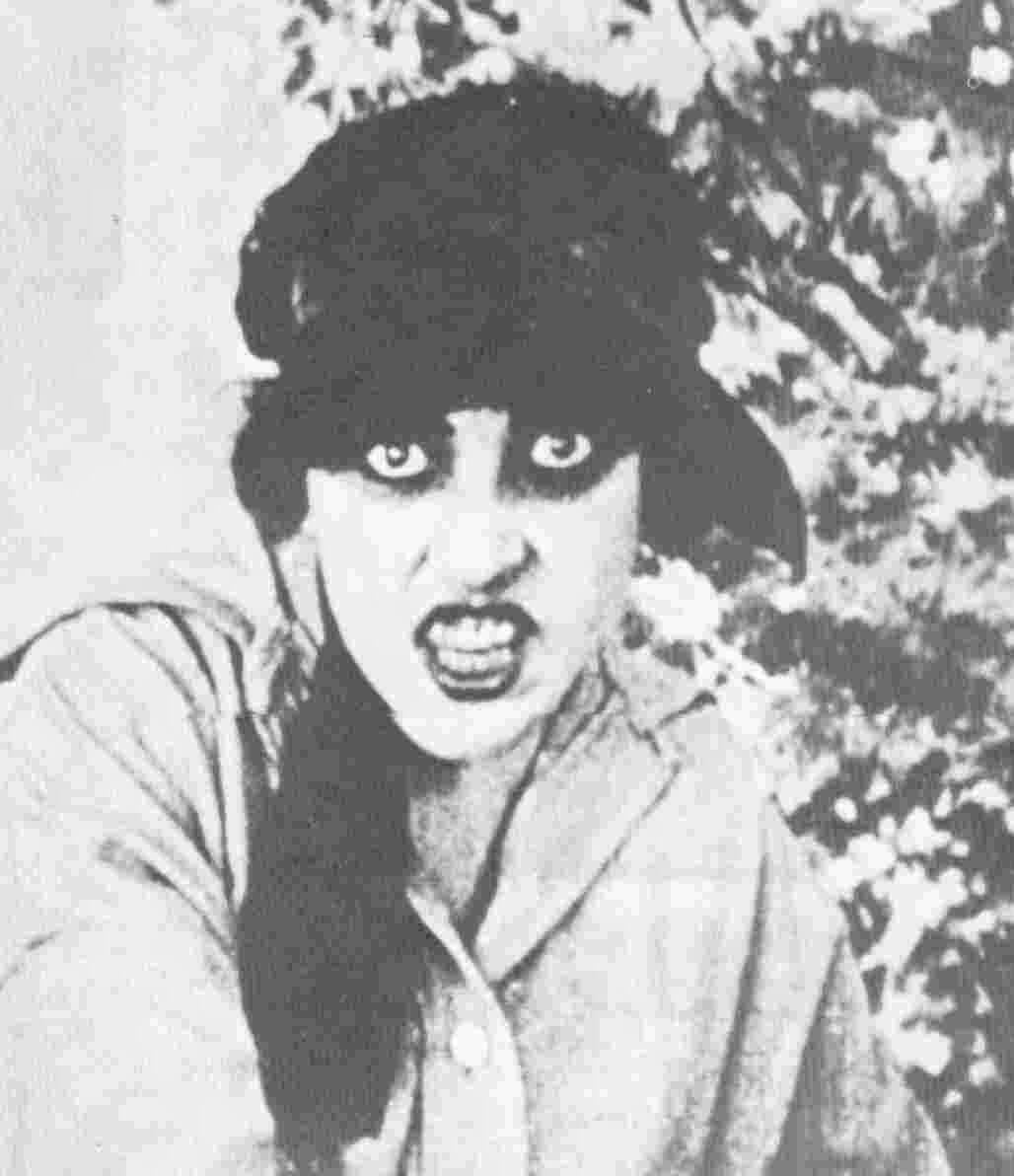
LES
VAMPIRES
(Louis
Feuillade, France, 1915) (F)
The
guiding spirit of a secret crime syndicate in the most famous
cinema serial of all time, rightfully
claimed as their own by the
surrealists.
A six-hour orgy of evil, constant surprises, masked
shapely criminals in leotards climbing
vertical walls and escap-
ing
from impossible situations; an anti-establishment paroxysm
with larger philosophical overtones.
The sudden eruption of
organized
evil into bourgeois society is strangely contemporary.
___________________________________________________________________________________________
SATURDAY
MORNING
(Kent
Mackenzie, USA, 1970) (F)
Ironically,
it seems easier nowadays to see films of documentary
sex
than of documentary tears (undoubtedly because the former
is more enjoyabhle to wach than the
latter); this work, so full of
real
tears of self-realization and healing, redresses the balance,
unexpectedly turning into a cleansing,
liberating experience,
neither
depressing nor exhibitionistic. This is a cinema of ex-
perience rather than entertainment.
The filmmaker, a product
of
the American documentary movement, places 20 California
adolescents in a week-long therapy
setting in a rural retreat; all
action
is spontaneous. After a series of innocuous interchanges,
more difficult areas are touched; a girl,
called upon to strike her
"mother"
(acted by another member of the group), cannot do so
in
a poignant moment of impotent hesitation, and bursts into
tears; another girl realizes that she
accepts all viewpoints be-
cause
she herself has none; a boy discovers, among prolonged
sobbing, that one is ultimately alone.
The sweet innocence of
sex,
displayed by some, is revealed as repression; seemingly
real experiences emerge as frauds. At the
end a black girl,
who never
gave love because she never received any, final-
ly
lapses into a silence of self-realization so total that
it stuns. For staying with her face
and ending the film
in
this manner, we must thank a sensitive filmmaker.
___________________________________________________________________________________________
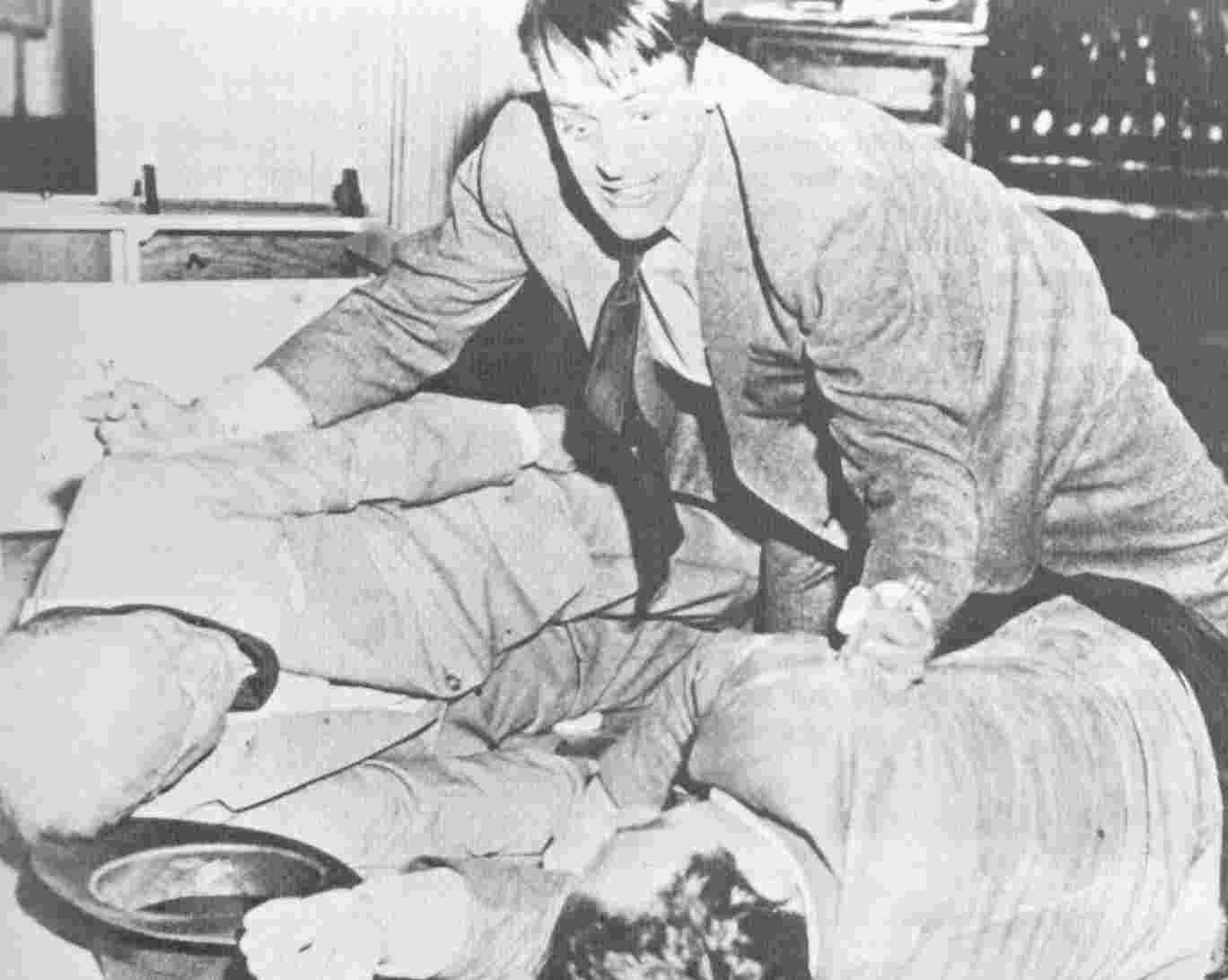
INVASION
OF THE BODY SNATCHERS
(Don Siegel, USA, 1956)
The
usurpation of human minds by mysterious doubles from
outer space becomes a pro-humanist
statement in this clas-
sic of
horror which depends almost entirely on innuendoes
and
"emanations". An attack on smiling conformists and
unprincipled collaborators, a distrust of
normalcy and
appearance
permeats this strangely political work. SC
___________________________________________________________________________________________
LA
TARANTA
(Gianfranco
Mengozzi, Italy, 1961)
This is
not a surrealist film, but a unique ethnological record
of the seizures and maniacal dances of
Italian peasant women
in
religious ecstasy; the progression of non-rational acts
ultimately subverts the notion of a
clearly intelligible universe.
___________________________________________________________________________________________
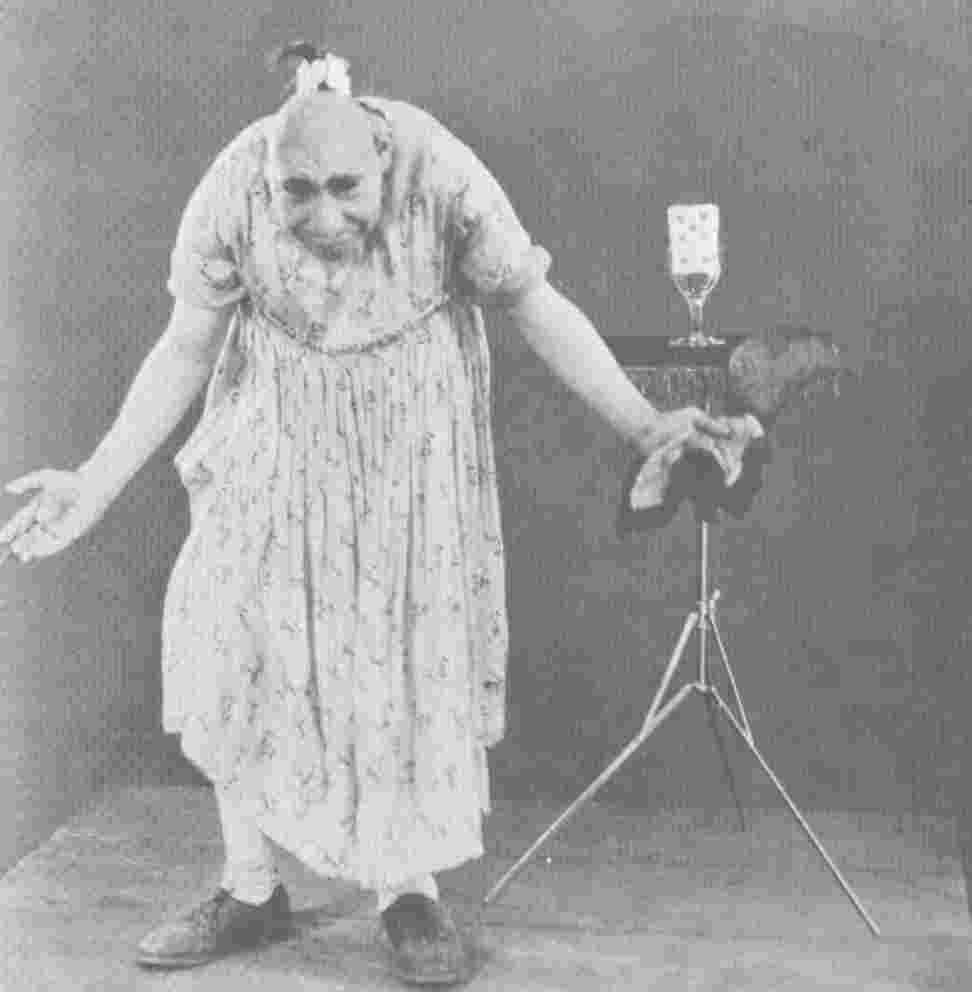
FREAKS
(Tod Browning, USA, 1932) (F)
Our primitive fear of the deformed and
the
abnormal is deeply touched
in one of Hollywood's
rare
"films noir" -- a macabre tale which raises the
viewer's disquiet to the level of
anxiety. Here Schlitzie,
the
famous "pinhead", appears in her "majic act".
SC
___________________________________________________________________________________________
SELECTIVE
SERVICE SYSTEM
(Warren
Haack, USA, 1970)
One of the
most shocking documentary films
ever
made. A young anti-war American, to avoid
the
draft, calmly aims a rifle at his foot and shoots.
For
several endless minutes, he thrases about the
floor
in unbearable pain, in his own blood. The
filming
continues. "There was no attempt to
alter
the proceedings that took place."
___________________________________________________________________________________________
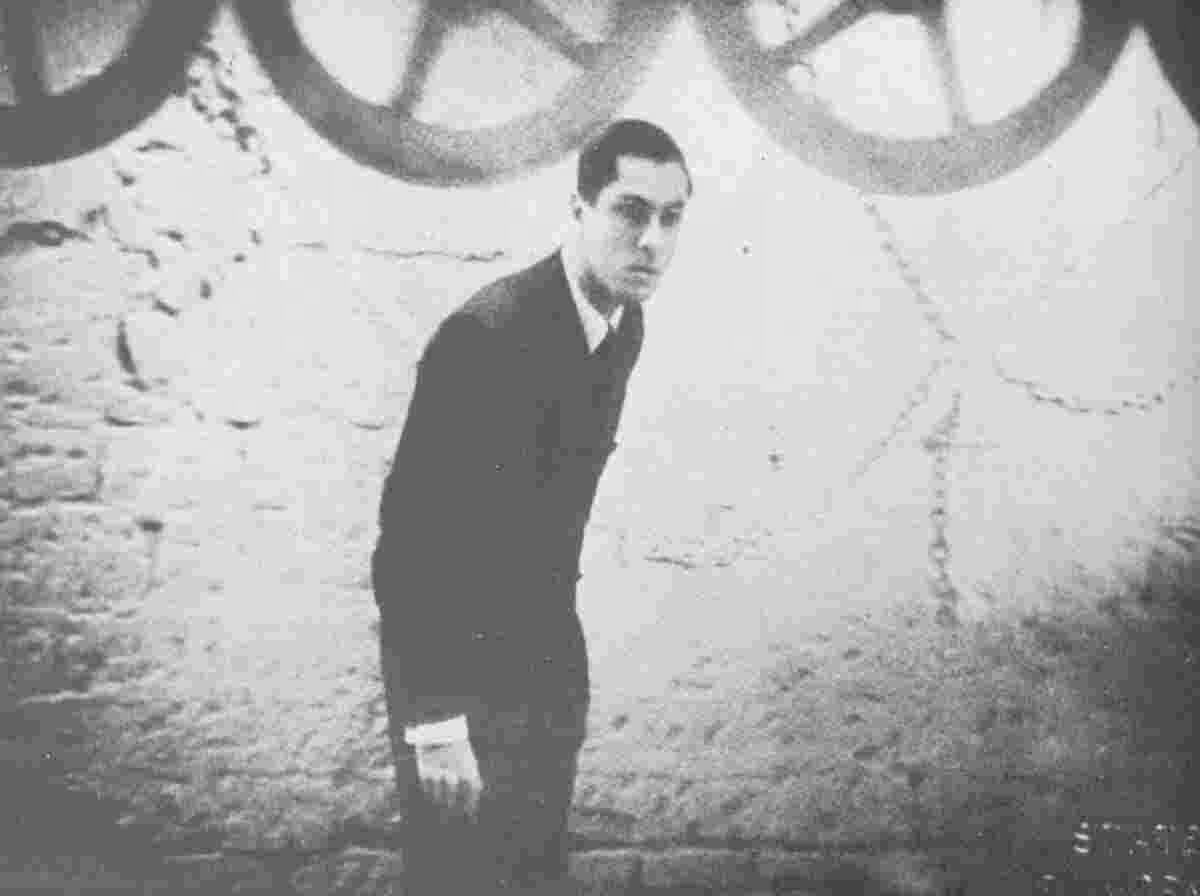
VAMPYR
(Carl Theodor Dreyer, Denmark, 1931)
(F)
Form and content are fused
in this hallucinatory
attempt
to force us into the oppressive horrors
of
a world dominated by vampires. As the
hero
searches for glimpses of rationality and
understanding,
even ordinary surroundings
are
transformed into anxiety-ridden symbols;
no
one who has seen this film will ever forget
these
mysterious shadows and chains. SC
___________________________________________________________________________________________
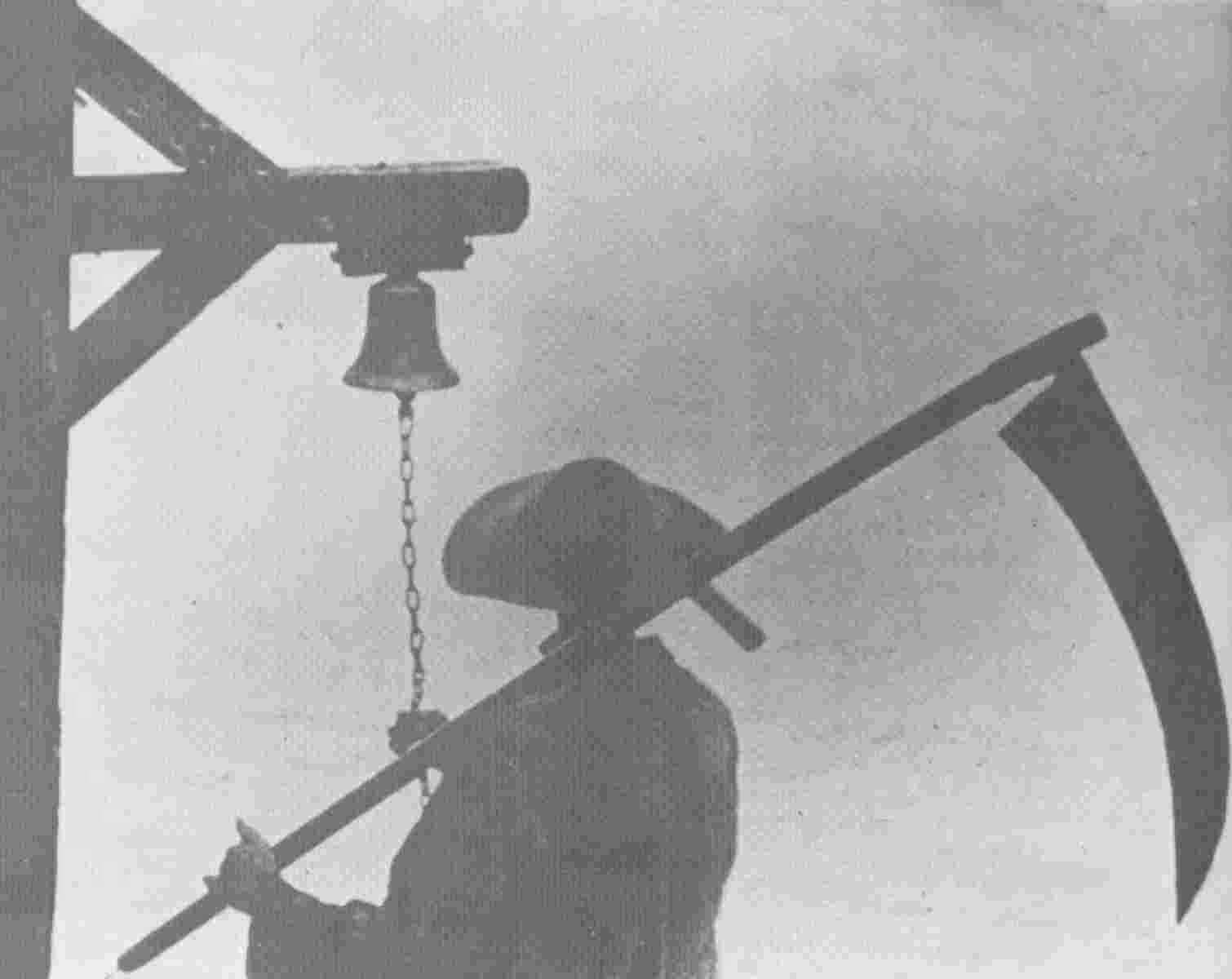
VAMPYR
(Carl Theodor Dreyer, Denmark, 1931)
(F)
A farmer advising the
ferry "on the other side" that
he
is ready to board it, becomes the basic image of
death.
The severe composition -- vertical counter-
balanced
by opposing pairs of parallel diagonals --
is
typical of Dreyer's genius. To become universal,
the figure, appropriately, must remain
anonymous. SC