FILM
- AS A -
SUBVERSIVE ART
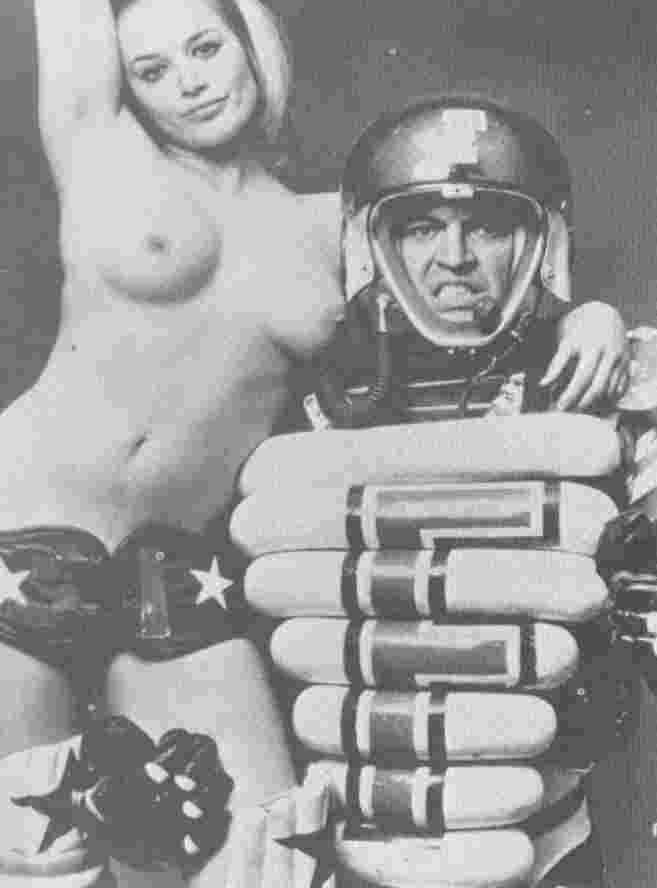
MR.
FREEDOM
(William
Klein, France, 1970) (F)
This
anti-American satire recounts the spectacularly
unheroic exploits of "Mr. Freedom",
personification of
the
American Superman sent into the world to liberate it
from
Communism. The combination of sex and politics
seems irresistable to modern left-wing
sophisticates.
THE
WEST: REBELS, MAOISTS,
AND
THE NEW GODARD
-
PART TWO -
FILMS
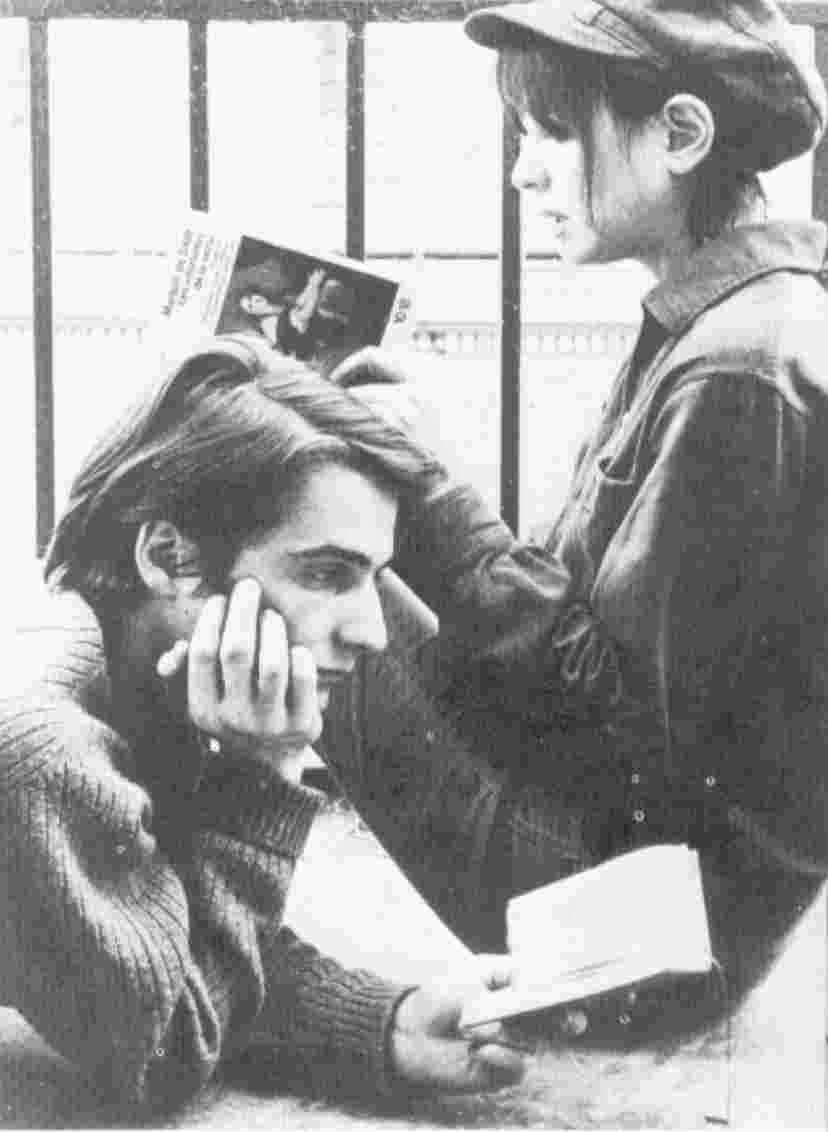
LA
CHINOISE
(Jean-Luc
Godard, France, 1967) (F)
The
Marquis de Sade and Mao's Little Red Book:
the
sophistication of Western radical thought
and
the oversimplifications implicit in the format
of
the other text also determine the parameters
of
Godard's ideological confusions, so painfully
and
beautifully revealed in one of his best films. SC
_____________________________________________-_____________________________________________
O
DREAMLAND
(Lindsay
Anderson, Great Britain, 1953)
Unsparing
candid-camera work and astute juxtaposition
of
natural sound provide a scathing, angry and wordless
comment on modern popular culture as seen
at a British
amusement park.
No attempt is made to poke fun at
the
people shown; they are portrayed as victims --
Orwell's
1984 "proles". A visual and aural barrage of
cheap pleasures and angry social comment
by the
later famous director
of If and O Lucky Man.
_____________________________________________-_____________________________________________
PALESTINE
(Nick McDonald, USA, 1971)
An
honest, very personal statement by a New
Left
anti-Zionist filmically equates the dispos-
session
of the American Indian with that of the
Palestinean
Arabs and points to strong similarities
between
democratic aspirations in the American
Constitution
and the program of El Fatah.
_____________________________________________-_____________________________________________
THE
PEOPLE AND THEIR GUNS
(LE
PEUPLE ET SES FUSILS)
(Joris
Ivens and film collective, France, 1967) (F)
Perhaps the purest Western example of a
Maoist film, this is a heavily
didactic
"agit-prop" portrayal of Laos' struggle against American
Imperialism. Unfortunately, the
endless succession of lengthy titles
(consisting
entirely of political exhortations and slogans) and the
trite, passive visuals of Laotian
peasants and countryside, bring on
an
overwhelming numbness and raise fundamental questions as
to the intended audience: entirely
too elementary for bourgeois
liberals
or radical intellectuals, the extend and nature of the
language employed seems beyond whatever
worker and peasant
audience
the filmmaker might have had in mind. What emerges
clearly is his subconsciously patronizing
attitude towards them,
very
different from the non-propagandist honesty of good political
films (such as Troublemakers); for
here "the people", when allowed
to
look more than heroic or suffering, move like puppets and utter
nothing but the most intricate and
abstruse slogans (however
accurate)
and every dialogue is a direct replica of the suffocatingly
"official" style of Peking or
Moscow newspapers. In short, the
film
is so determinedly "ulitarian" as to be of use to no one.
_____________________________________________-_____________________________________________
PRAVDA
(Jean-Luc Godard and Dziga Vertov group,
France, 1969) (F)
With
this film, clandestinely shot in Czechoslavakia
after
the Russian occupation, Godard moves yet another
step
towards realizing his concept of "Revolutionary Cinema".
Aesthetically, the distance between this
film and Weekend
is as
great as that between Weekend and Breathless, yet
the same radical impulse motivates all
three. Godard is
moving
towards a visually minimal cinema, with the sound-
track
assuming ever greater importance. Pravda consists of
an imaginary discussion between Lenin and
Rosa Luxemburg,
the German
revolutionary; clearly influenced by Maoist ideology,
it
simultaneously attacks the "revisionist" Russians for
invading
Czechoslavakia and
the "revisionist" Czechs for opening the doors
to Western imperialism via Pan-Am, CBS,
Hertz, American-owned
hotels,
and Playboy. This bitter and dogmatic work reveals
once again the restless originality of
its creator; but as it is
designed
to advance the cause of revolution, it must be judged
in
terms of ideological relevance, efficacy, and truth. Here its
indictment of the Czech reform movement
seems particularly
untenable,
while the visuals have lost all resonance and
no
longer display the sophistication of early Godard.
_____________________________________________-_____________________________________________
PUNISHMENT
PARK
(Peter
Watkins, Great Britain, 1971) (F)
The
British director of The War Game offers a radical film
about America's future. Based on
the President's power,
under
the 1950 McCarran Internal Security Act, to set up
detention camps for the radical Left in
case of an insurrection,
this
"allegory in the form of a documentary" postulates
a situation, some years hence, in which
revolutionaries are
confined
without due legal recourse and given the choice of
either
serving 15 years in a concentration camp, or 3 days in
a
special "punishment park". Here they must attempt, on
foot
and without water, to
reach an American Flag, situated about
50
miles away in an arid desert landscape, while pursued (and
if possible, trapped) by police and
National Guard; if they reach
their
goal, they are free; if not, they must serve their sentence.
While the tension -- created by
montage and a very mobile
camera
-- is unrelenting, this ultimately emerges more as a
political horror film than a serious
statement. Though the
existence
of as yet empty concentration camps has been
confirmed
in the American press, the sadistic game and the
device
of the park seem arbitrary and artificial, limiting
the
radical potential of the film instead of broadening it. SC
_____________________________________________-_____________________________________________
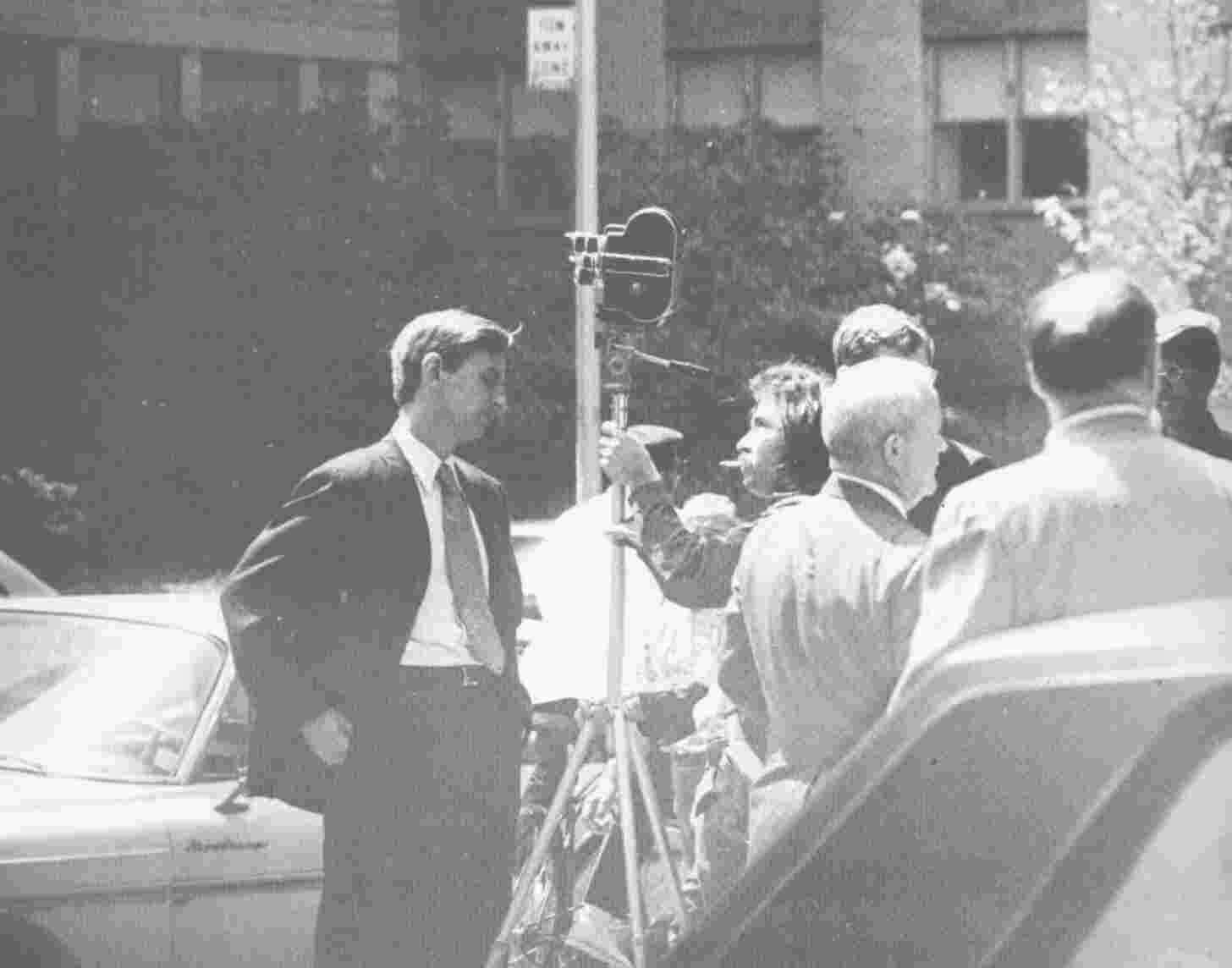
RED
SQUAD
(Howard
Blatt and Steve Fishler, USA, 1972)
A
disturbed FBI agent, legally unable to stop the radical
filmmaker from photographing agents
entering FBI
headquarters,
decides to stand in front of the camera;
the
filmmaker non-chalantly raises it above his head.
An
extraordinary political film, in which the spies --
Red
Squad and undercover police assigned to infiltrate
the
American Left -- are in turn spied upon. The
result: a photographic expose of
faces and agents
in action,
fully identified by name and title.
_____________________________________________-_____________________________________________
THE
REVOLUTIONARY WAS A COP
(Marc
Weiss, USA, 1971)
In a series
of interviews with young American SDS
radicals,
the activities of an agent provocateur in
their
midst are discussed, including his organizing
new
SDS branches and proposing bomb plots. The film is
based on an actual case history.
In the subsequent trial,
the
SDS members were convicted, the provocateur freed.
The
director, on camera, accuses him at the end.
_____________________________________________-_____________________________________________
RECRUITS
IN INGOLSTADT
(PIONIERE
IN INGOLSTADT)
(Rainer
Werner Fassbinder, West Germany, 1971) (F)
A
welcome surprise from the director of Munich's famed
"anti-theatre", whose films --
at least two or three per year --
are
attracting growing international attention. This is a
stylized, anti-bourgeois satire of
small-town girls and young
soldiers
who build a bridge that leads nowhere and is never
finished. The cool, sophisticated
tenor of this film, its strangely
clipped
dialogue (delivered in flat, Brechtian monotone), and its
desperate, maimed protagonists ultimately
offer a curiously moving
metaphor
of a post-atomic, shell-shocked generation; they seem to
talk in a human way, but suddenly "go
off"; they rarely look at each
other,
but address the camera instead; and though some attempt
to imitate the "Schweinehund"
jargon of the Nazi period and its
blustering
pseudo-masculinity, they do so without conviction.
The
men have become unfeeling robots; if any hope is left, it is with
the downtrodden girls who still exhibit
glimmerings of human feeling.
_____________________________________________-_____________________________________________
ROBERT
WALL, EX-FBI AGENT
(Michael
Anderson, Paul Jacobs,
Saul
Landau, Bill Yahrans, USA, 1972)
An
ex-agent who resigned after five years with the FBI,
discusses how the Bureau works, how its
agents see
themselves and
their jobs, and why he believes the
FBI
to be a repressive force. He explains how he
organized a fraudulent smear campaign
against
Stokely Carmichael,
forged letters designed to
disrupt
relations between the Blacks and the Left,
and
helped plant informers in radical groups.
_____________________________________________-_____________________________________________
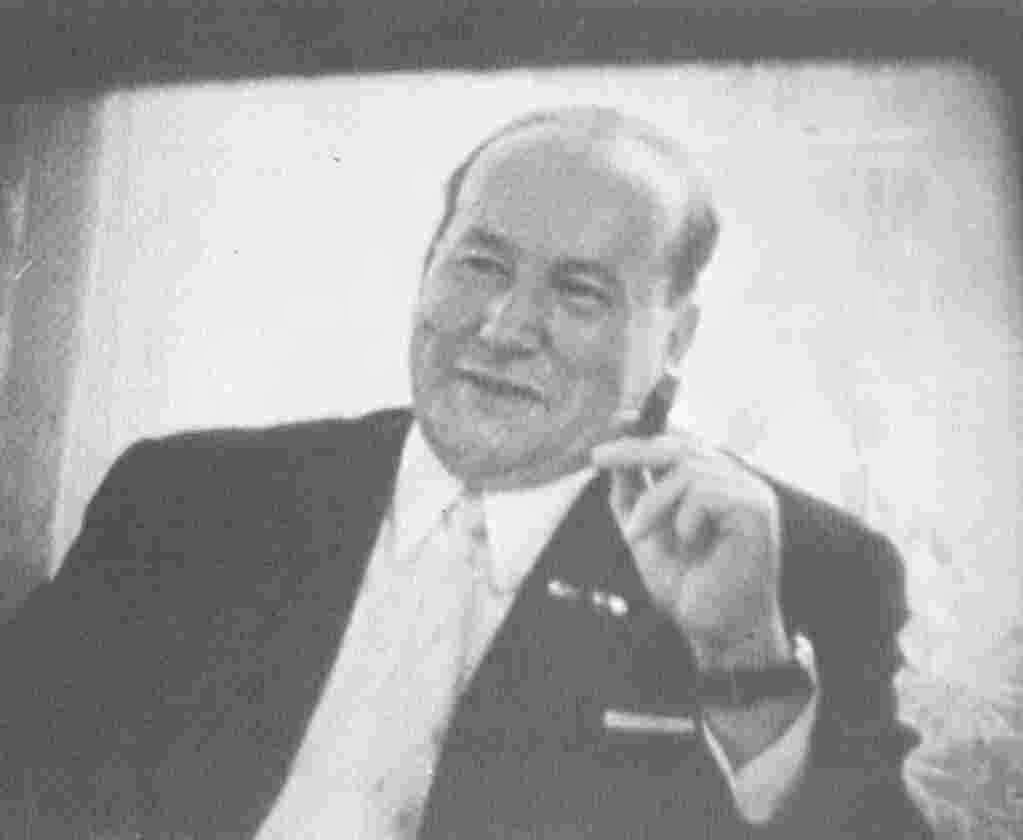
THE
SORROW AND THE PITY
(Marcel Ophuls, Switzerland, 1971)
(F)
A former Wehrmacht
officer, now a smiling, prosperous
German
burgher free of unfashionable guilt, recounts
his
wartime "activities" in France in one of the many
interviews with resistance fighters,
collaborators,
statesmen, and
reactionaries. Neither patronizing
nor
simplistic, this film raises eternal questions about
collaboration and resistance; Vietnam is
not too far. SC
_____________________________________________-_____________________________________________
SAINT
MICHAEL HAD A ROOSTER
(SAN
MICHELE AVEVE UN GALLO)
(Paolo
and Vittorio Taviani, Italy, 1971) (F)
A
group of idealistic, impractical 19th-century anarchists
mount a disastrous terrorist attack on an
irrelevant town
hall; their
failure leads to the 10-year imprisonment of
the
leader, during which -- in a painful tour de force -- he
succeeds in mastering mind and body with
a vengeance
to prepare himself
for future revolutionary action. Alas,
a
tragic, ironic denouement indicates that these fantasies
of leadership, projected during years of
isolation, do
not suffice for
a new generation of revolutionaries.
_____________________________________________-_____________________________________________
SEE
YOU AT MAO
(Jean-Luc
Godard and Dziga Vertov group,
France,
Great Britain, 1969) (F)
This
uncompromising attempt at revolutionary cinema marked
a
new stage in the aesthetic evolution of one of the medium's most
radical experimentors. Believing
narrative cinema to be outdated and
bourgeois,
Godard loosed a propagandistic audio-visual barrage on
the senses which combined Maoism, the
Beatles, multiple soundtracks,
minimal
cinema ala Warhol, nudity (accompanied by a Women's
Liberation statement), and quotes from
Nixon, Pompidou, and the
Communist
Manifesto. Possibly the director's most disturbing work
so far, it ended with a blood-spattered
hand painfully reaching
for
a red flag. But it is questionable whether boredom, didactic
harangues, reductionist cinema, and
lifeless images actually
serve
the revolutionary purposes the filmmaker aspires to;
even more uncertain is the nature of the
intended audience.
_____________________________________________-_____________________________________________
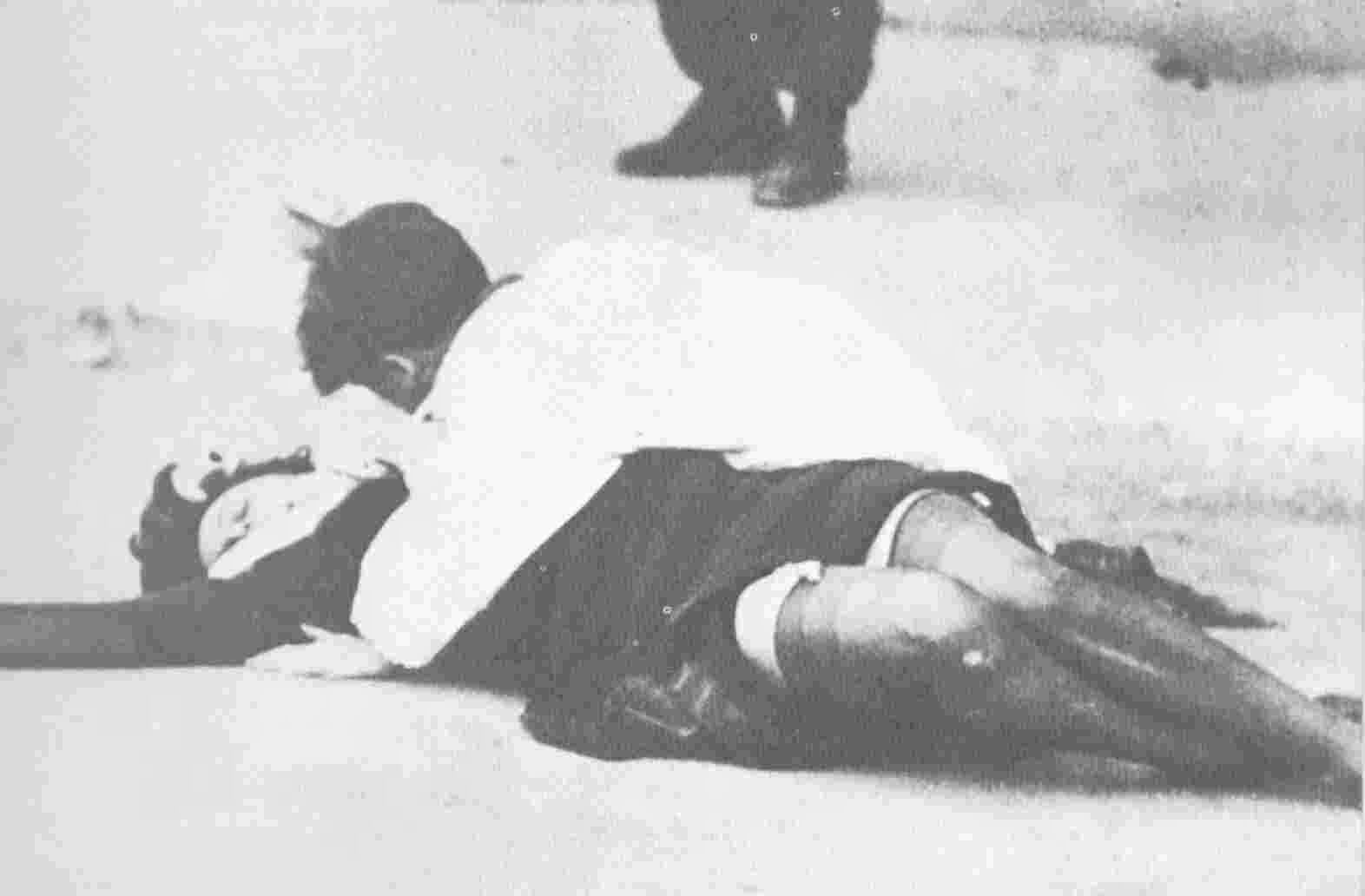
OPEN
CITY
(Roberto
Rossellini, Italy, 1945) (F)
Authenticity,
immediacy, rejection of studio "slickness"
(Hollywood would have rearranged the
skirt), concern with
the
underdog: the legacy of Italian Neorealism. Here a simple
woman of the people (played by the
then-unknown Anna
Magnani)
dies a sudden death at the hands of the Gestapo,
casually
portrayed as part of the Nazi's everyday brutality.
_____________________________________________-_____________________________________________
THE
SPANISH EARTH
(Joris
Ivens, USA, 1937) (F)
Ivens
records the agony of the Spanish civil war in one of his
strongest films. Its images of
destruction -- accompanied
by
Hemingway's narration -- shocked a world not yet
used
to the horrors of a 2nd World War or Vietnam.
_____________________________________________-_____________________________________________
SPAIN
68
(ESPANA
68)
(Unitelefilm
Collective, Italy, 1968)
A
secretly shot documentary about the huge
(and
officially denied) student demonstrations
and
university occupations in Spain in 1968.
It
is startling to hear revolutionary songs
chanted
by masses of students and a professor
extol
socialism at an illegal mass meeting
in
the context of present-day Franco Spain.
_____________________________________________-_____________________________________________
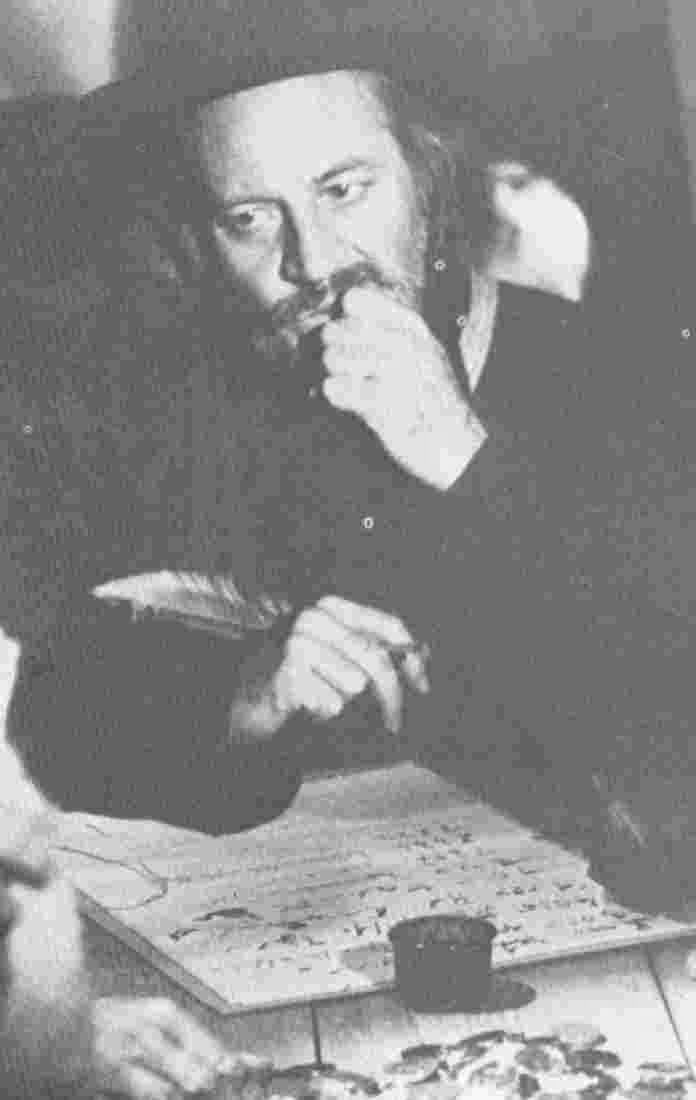
THE
SUDDEN WEALTH OF THE POOR PEOPLE OF KOMBACH
(DER
PLOTZLICHE REICHTUM DER ARMEN LEUTE VON KOMBACH)
(Volker Schloendorff, West Germany,
1971) (F)
A Jew as
mastermind of a 19th-century peasant
conspiracy
against the rich: a daring reintroduction
of
the Jew into German dramaturgy by a young
director
who has predictably been accused of
anti-semitism;
for this image is still in the nature
of
a taboo and many cannot yet cope with it.
______________________________________________
An
excellent example of a particularly interesting new genre
of young German cinema; bizarre, deadly
serious variations
on the
reactionary German "Heimat" films of yore -- those
insufferable, sentimental "kitsch"
prosodies to Fatherland,
Soil,
and Family. This fully realized work effectively upsets
this tradition by recounting a tale of
oppressed 19th-century
German
peasants who become rebels against the state out
of
poverty, revealing (instead of romanticizing) the brutal
degradation of German rural life at the
time. Particularly
audacious
is the presence of an itinerant Jew peddler as
mastermind
(!) of the conspiracy, predictably leading to
(unfounded)
charges of anti-semitism against a young director
who
has dared to reintroduce the Jew into German dramaturgy.
_____________________________________________-_____________________________________________
SUNDAY
(Dan Drasin, USA, 1961)
After
almost two decades of Sunday folk-singing
in
New York's Washington Square Park, a new law
suddenly
prohibited the practice. This historic
documentary
records the confrontations between
massed
police and the folksingers, ending in the
latter's
victory and the rescinding of the law.
Handheld
cameras, improvisations, and a
sense
of passion and commitment create a
film
of revolt in action that is of lasting value.
_____________________________________________-_____________________________________________
SUSAN
AFTER THE SUGAR HARVEST
(Peter
Robinson, USA, 1971)
An
in-the-kitchen interview with a young American girl
just
back from cutting sugar cane in Cuba, turns into
a
moving, thought-provoking discussion of the differing
value systems of the two civilizations
and indicates how
the girl's
consciousness was changed by the experience.
As
she prepares sandwiches for herself and the filmmaker,
we
also get a glimpse of her uncorrupted idealism.
_____________________________________________-_____________________________________________
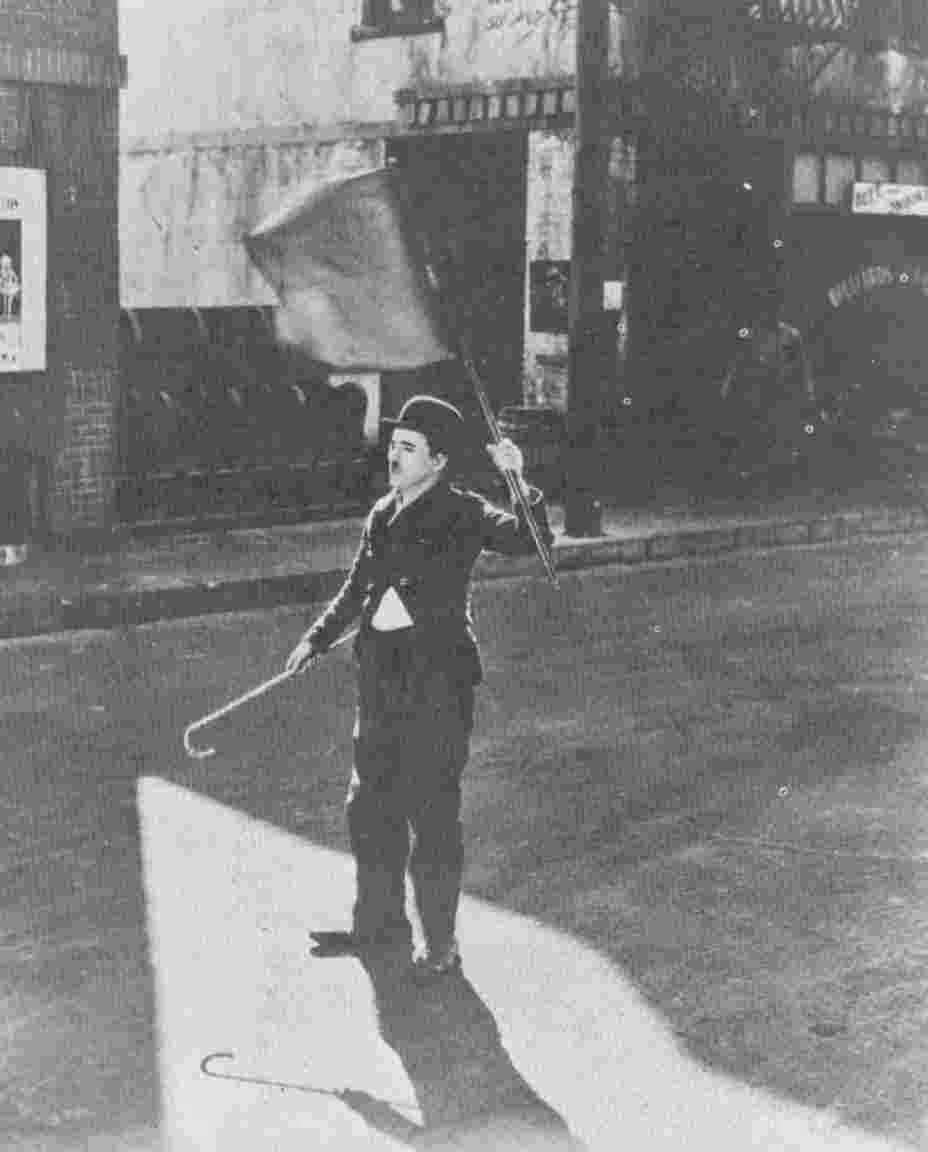
MODERN
TIMES
(Charles
Chaplin, USA, 1936) (F)
A
red flag -- used to warn passing traffic of a protruding object --
falls off a truck, Chaplin picks it up to
return it, thereby becoming
unintended
leader of striking workers who follow him because
of
the flag. This scene was banned in several countries. SC
_____________________________________________-_____________________________________________
THREE
LIVES
(Kate
Millet, USA, 1971) (F)
Photographed
by an all-female crew and directed by the
author
of Sexual Politics, these are aut0biographical
interviews
with three very different women who talk
frankly
about their lives, conflicts, and contrasting
lifestyles. A proud and
uncompromising film.
_____________________________________________-_____________________________________________
TROUBLEMAKERS
(Robert Machover and Norman Fruchter,
USA, 1966) (F)
One of
the best works of the American Left, this is a hard-
hitting example of a new kind of
political film which
avoids
both cliches and propaganda. It concentrates
instead on careful exploration of the
problems encoun-
tered
by the young SDS militants (including Tom Hayden,
then
unknown, later a leader of the movement) in organizing
the Black Ghetto in Newark around
community issues and
simultaneously
radicalizing them. The painful, difficult
experiment ends in failure, honestly
confronted by an hon-
est
film, leaving the viewer with the implicit suggestion
that the attempt must be made
again; this time perhaps
in
the direction of revolution rather than reform.
_____________________________________________-_____________________________________________
12-12-46
(Bernard Stone, USA, 1966)
A
pretty, very American co-ed tells us her life story in a
magnificent series of petty-bourgeois
platitudes which an
evil
filmmaker cross-cuts with images of war, governmental
stupidity, and crime, to tell the true
story of her era.
The girl's
exuberant ignorance carries the film.
_____________________________________________-_____________________________________________
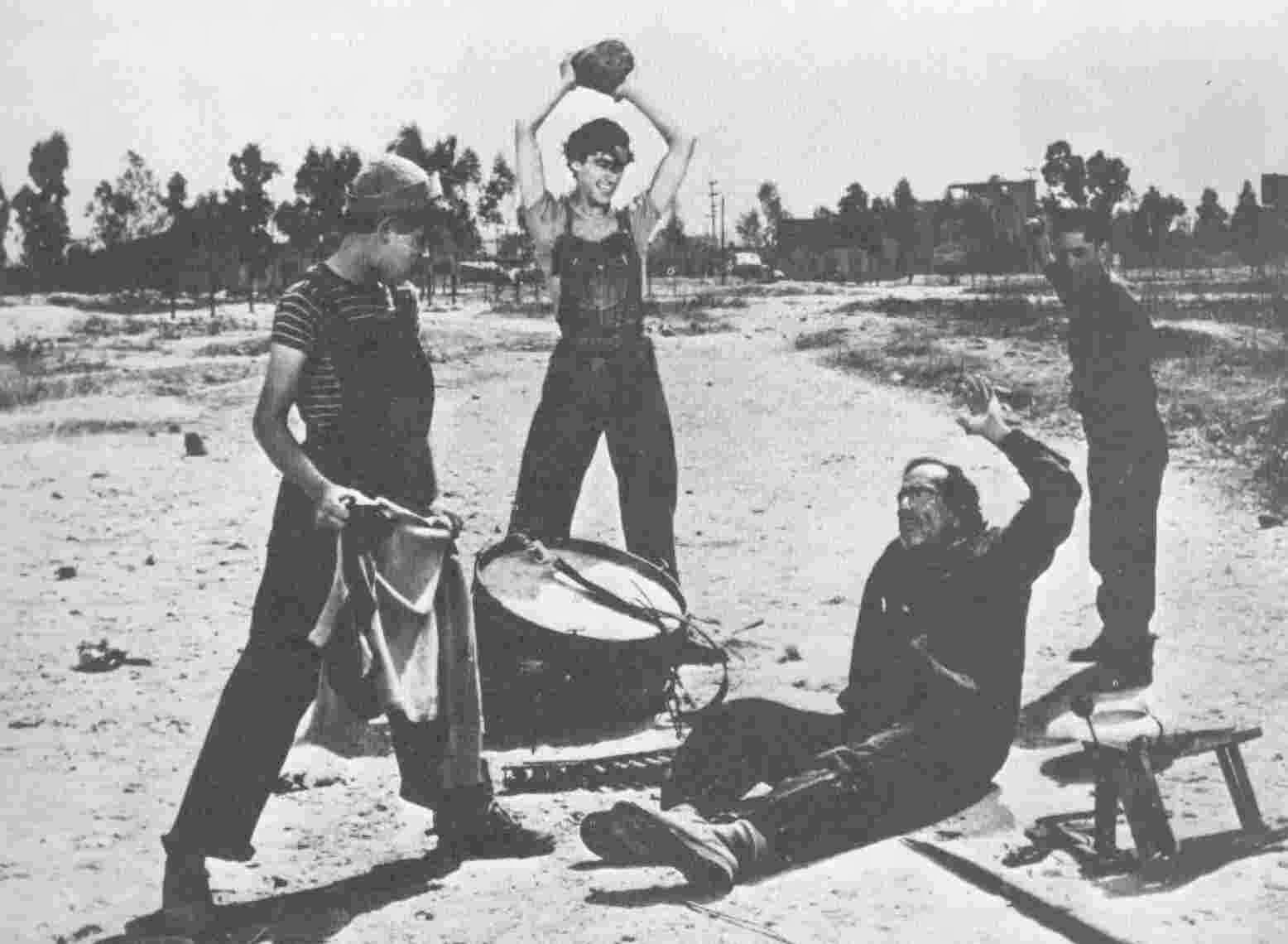
THE
YOUNG AND THE DAMNED
(LOS
OLVIDADOS)
(Luis
Bunuel, Mexico, 1951)
In an
unjust society, even the poor are corrupt
and
violent, says a non-sentimental Bunuel in
what
is perhaps his strongest attack on contem-
porary
society. Here a blind beggar is attacked
by
slum children; this, too, is the price of
poverty,
says the filmmaker and demolishes our
hypocritical
taboo against showing such incidents. SC
_____________________________________________-_____________________________________________
VALPARAISO,
VALPARAISO
(Pascal
Aubier, France, 1971) (F)
This
film constitutes a satirical attack (from the Left)
on
drawing-room left intellectuals and assorted Maoists.
Its hero, Alain Cluny, famed
"radical" author, waxes
eloquent
at elegant parties about "revolution as a work
of
art", is a specialist on surrealism, and finds beauty
even in slums. Convinced by a group of
Maoist buffoons,
con-men, and
bunglers to "deepen his commitment", he
accepts
a mysterious assignment to foment revolution
in
Valparaiso -- the place most removed from France --
and
spends the rest of the film in a futile, burlesque attempt
to get there. Slapstick tortures,
intricate seductions, and
marvellously
sophisticated dialogue, keep laughs and
action
going, but the film ultimately becomes entangled
in
ideological confusion, too complex a plot and
stylistic
wavering between realist satire and comic strip.
_____________________________________________-_____________________________________________
WHOLLY
COMMUNION
(Peter
Whitehead, Great Britain, 1965)
In
1965, in London's Royal Albert Hall,
Ferlinghetti,
Corso, Horovitz, Ginsberg,
and
Logue speak out against the Vietnam
war
in a moving and historic poetry
reading
attended by thousands.
_____________________________________________-_____________________________________________
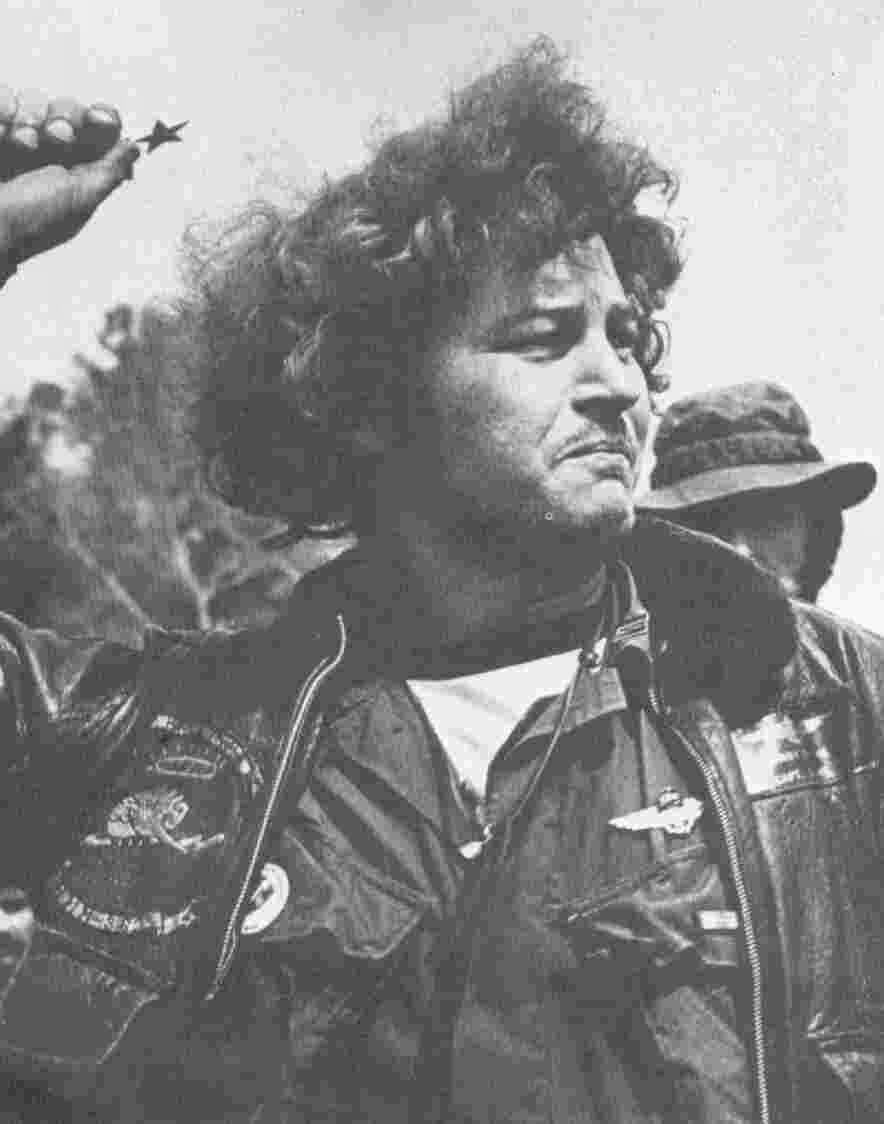
WINTERSOLDIER
(Winter Film Collective, USA, 1972)
During a 1971 anti-war demonstration in
Washington,
a veteran
defiantly, disdainfully, and in anguish tears
off
his medal and "returns" it to the State. A moment
of history is captured in a powerful
image. Informal
attire
and hairstyle reflect a new kind of veteran.
_____________________________________________-_____________________________________________
THE
WOMAN'S FILM
(Judy
Smith, Louise Alaimo, and Ellen Sorren,
San
Francisco Newsreel film collective, USA, 1971)
One
of the most significant and active new areas of
independent film production in the last
few years
has been films made
by (and sometimes for) women.
Directed
and edited by young radical feminists, this
film
features a series of pointed interviews with women
working on jobs "both outside and
inside the home",
who
make it clear that their problems are caused not
by
personal shortcomings or relational difficulties,
but
by the very structure of capitalist society.
_____________________________________________-_____________________________________________
YIPPIE
(Yippie Film Collective, USA, 1968)
True to their joyfully anarchist
philosophy of
radical politics
as "theatre", this is the Youth
International
Party's jaundiced view of the 1968
Democratic
convention and its concomitant
violent
demonstrations. DeMille footage,
Abbie
Hoffmann, Democratic-party machine
politicians,
and Allen Ginsberg are cross-cut
in
a complex, sophisticated example
of
political filmmaking at its best.
_____________________________________________-_____________________________________________
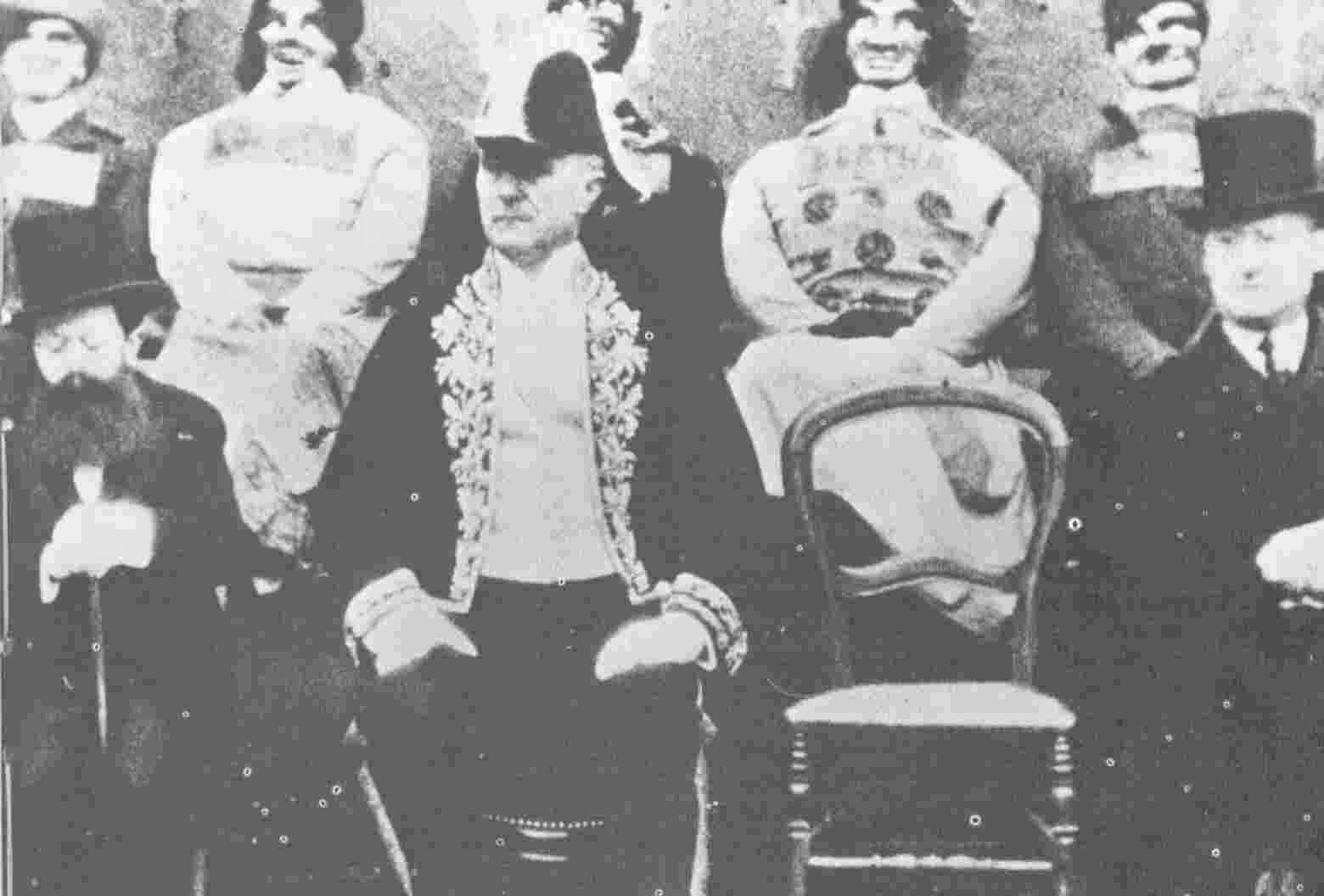
ZERO
DE CONDUITE
(Jean
Vigo, France, 1933)
The
Establishment, as "seen" by rebellious schoolboys
and anarchist filmmaker; the headmaster
an odious
midget. State and
army as pompous buffoons, and
behind
them -- the true reality: grinning, ominous
monster
puppets. In its perfect fusion of form and
content,
this film remains a masterpiece of subversion.
______________________________________________
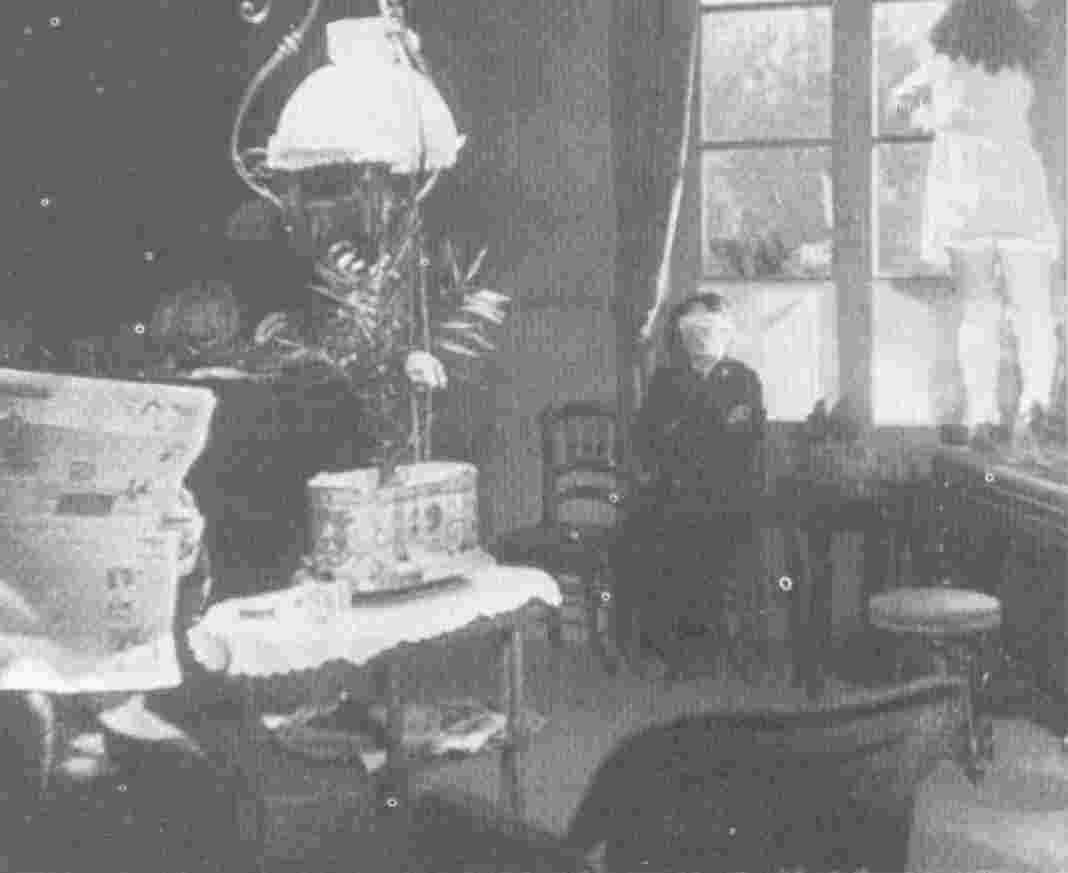
ZERO
DE CONDUITE
(Jean
Vigo, France, 1933)
In this
anarchist masterpiece -- a poetic, surreal portrayal
of
revolt in a boys' school -- Vigo also summarizes the
suffocating atmosphere of French petty
bourgeois life,
seen, as the
rest of the film, through a child's eyes:
the
pater familias who never emerges from his paper,
the
kitsch decor, the girl, her underwear showing;
though
the hero is blindfolded, we know he sees it all.